How to Feel Full and Satisfied Without Overdoing It Today
You want to feel full, not stuffed. Satisfied, not sleepy. And you want that feeling to actually last past 3 p.m.? Totally doable. With a few smart moves (and zero sad salads), you can master fullness, keep energy steady, and still enjoy food like a normal human. Let’s build a plate—and a routine—that keeps you happy and not hangry.
Start with the Big 3: Protein, Fiber, and Fat
You don’t need a nutrition degree to nail fullness. Just stack your meals around three MVPs: protein, fiber, and healthy fats. Protein keeps cravings calm, fiber adds volume and slows digestion, and fats make food satisfying so you don’t wander back to the pantry 30 minutes later.
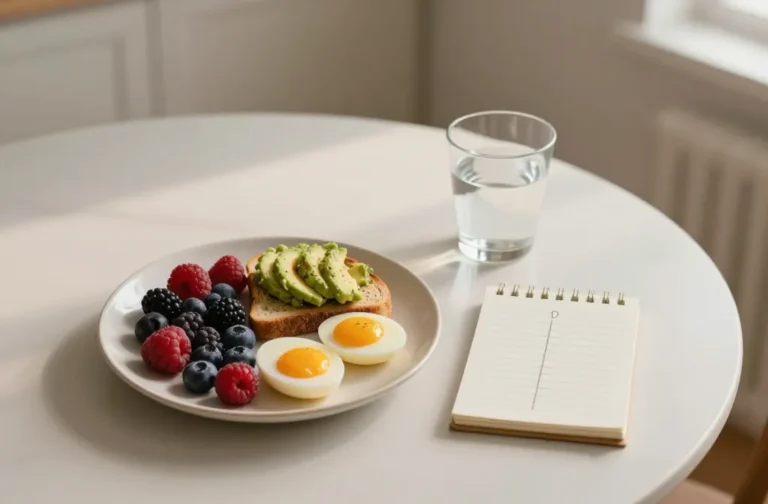
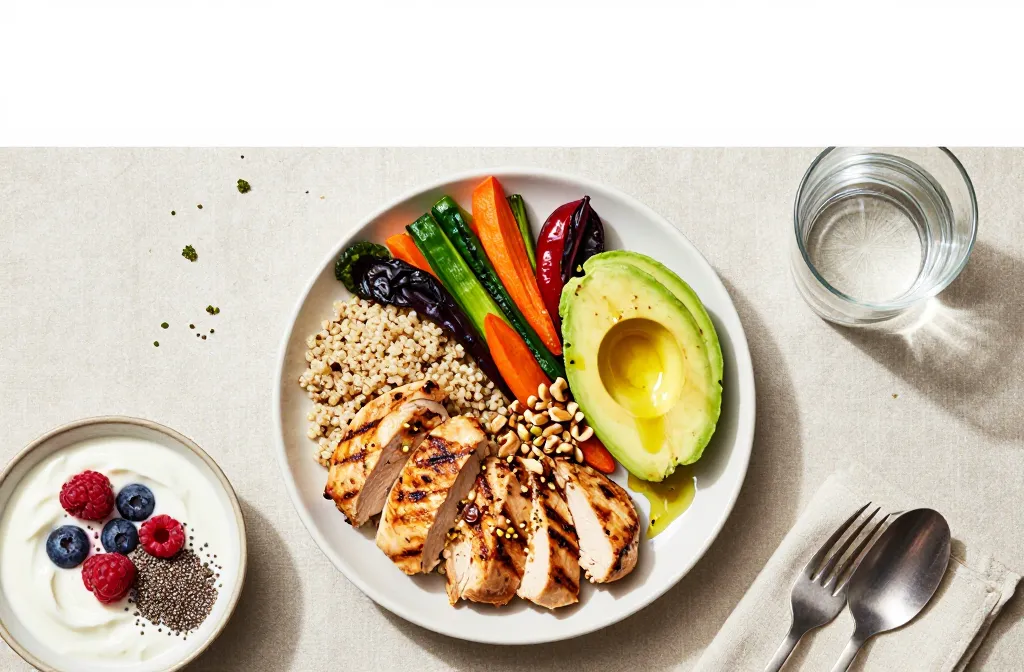
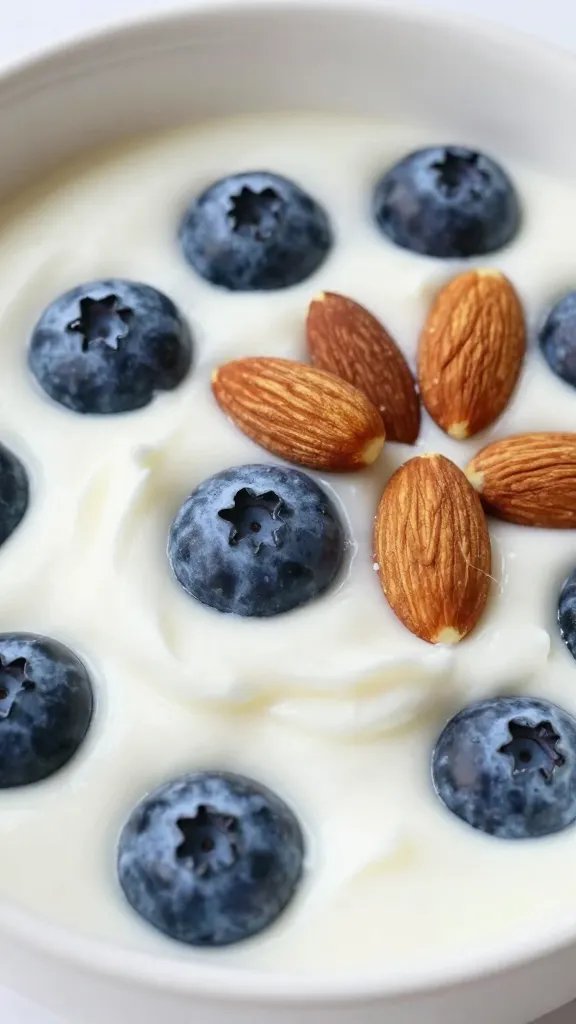
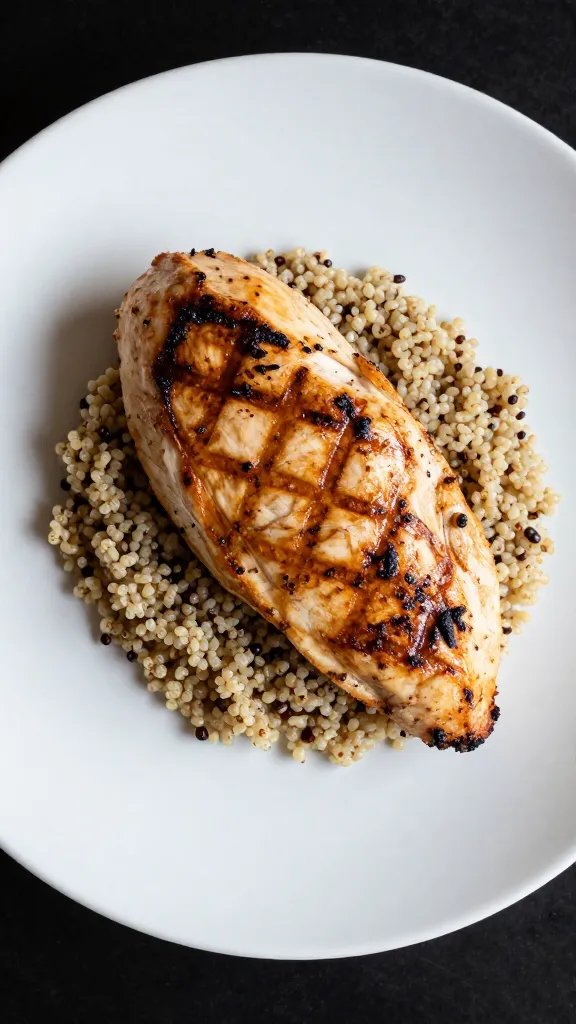
What does that look like on a plate? Think chicken + quinoa + veggies + avocado. Or Greek yogurt + berries + nuts. Simple, balanced, and actually tasty.
Overeating is a pattern. This helps you fix that problem. A quick reset for cravings, snacking, and “I’ll start tomorrow” moments.
Built for busy home cooks who want real-life structure. Simple steps that fit meal prep, family dinners, and late-night snack attacks.
Quick Cheat Sheet
- Protein: eggs, Greek yogurt, chicken, tofu, fish, beans
- Fiber: oats, berries, beans, lentils, veggies, chia, whole grains
- Fats: olive oil, avocado, nuts, seeds, tahini
Volume Foods: Fill the Tank Without Overdoing It
You can eat more and feel fuller when you choose foods with high water and fiber. That means big salads (with real toppings), hearty veggie soups, stir-fries, and fruit. IMO, volume foods are the cheat code to eating like a grown-up while feeling like you got a lot.
High-Volume Heroes
- Leafy greens, cucumbers, tomatoes, bell peppers
- Broth-based soups with beans and veggies
- Berries, apples, oranges
- Cauliflower rice and zoodles (not forever, just sometimes)
Smarter Carbs: Choose Slow-Release Energy
Carbs aren’t the villain—random, lonely carbs are. Pair them with protein and fat, and choose options that digest slowly. Whole grains and starchy veggies keep your energy steady and your stomach chill.
Great Carb Picks
- Oats, quinoa, farro, brown rice
- Sweet potatoes, potatoes (skin on), corn
- Beans and lentils (double win: carbs + protein + fiber)
Hydration and Timing: Boring but Powerful
Sometimes you don’t need a snack—you need water. Dehydration mimics hunger like a sneaky little gremlin. Drink water consistently, and front-load your day with solid meals so you don’t end up moonlighting as a fridge raider at 10 p.m.
Timing Tips That Actually Help
- Eat every 3–5 hours to avoid “I could eat the couch” mode
- Include protein at breakfast (FYI, it changes everything)
- Plan a fiber + protein afternoon snack if dinners run late
Mindful Eating (Without the Incense)
You don’t need to meditate with your fork, but you should slow down and notice your food. When you chew, taste, and pause between bites, your gut and brain sync up and call it when you’re satisfied—before “oops, too much.”
Real-World Mindful Moves
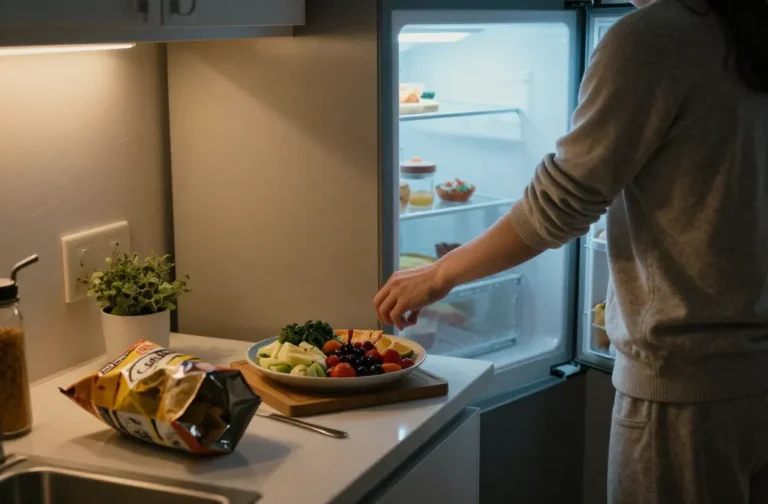
- Plate your food (no grazing from the bag)
- Put the fork down between bites
- Stop at “I feel good” rather than “roll me to the couch”
Staple Recipes That Keep You Full
Below are three simple, satisfying recipes designed to check the boxes: protein, fiber, fat, and flavor. I included estimated nutrition per serving using standard USDA data. FYI, values are estimates and will vary based on brands and exact amounts.
1) Creamy Greek Yogurt Berry Bowl
Serves: 1 bowl (approx. 350 g total)
Ingredients:
- 3/4 cup (170 g) plain nonfat Greek yogurt
- 1/2 cup (75 g) mixed berries (blueberries + strawberries)
- 1 tbsp (16 g) chia seeds
- 1 tbsp (7 g) sliced almonds
- 1 tsp (7 g) honey or maple syrup (optional)
Why it works: Protein from yogurt, fiber from berries and chia, fats from nuts. Sweet but not a sugar bomb.
Estimated Nutrition per serving (1 bowl):
- Calories: ~240 (with honey ~270)
- Total Fat: ~6 g
- Total Carbohydrates: ~28 g (with honey ~35 g)
- Dietary Fiber: ~9 g
- Net Carbs: ~19 g (with honey ~26 g)
- Protein: ~22 g
2) Loaded Lentil Veggie Soup
Serves: 4 bowls (about 1.5 cups each)
Ingredients:
- 1 tbsp olive oil
- 1 medium onion, diced
- 2 carrots, diced
- 2 celery stalks, diced
- 3 cups low-sodium vegetable broth
- 1 cup dry brown lentils, rinsed
- 1 can (14.5 oz) diced tomatoes
- 2 cups chopped spinach or kale
- 1 tsp cumin, 1 tsp smoked paprika, salt/pepper to taste
Why it works: High-volume, high-fiber, and the lentils bring legit protein. It fills you up without weighing you down.
Estimated Nutrition per serving (1.5 cups):
- Calories: ~260
- Total Fat: ~5 g
- Total Carbohydrates: ~40 g
- Dietary Fiber: ~15 g
- Net Carbs: ~25 g
- Protein: ~14 g
3) Chicken, Quinoa, and Avocado Power Bowl
Serves: 2 bowls (estimated portion: ~550–600 g each)
Ingredients:
- 8 oz (226 g) cooked chicken breast, chopped
- 1 cup cooked quinoa (from 1/3 cup dry)
- 1 cup roasted veggies (broccoli + peppers)
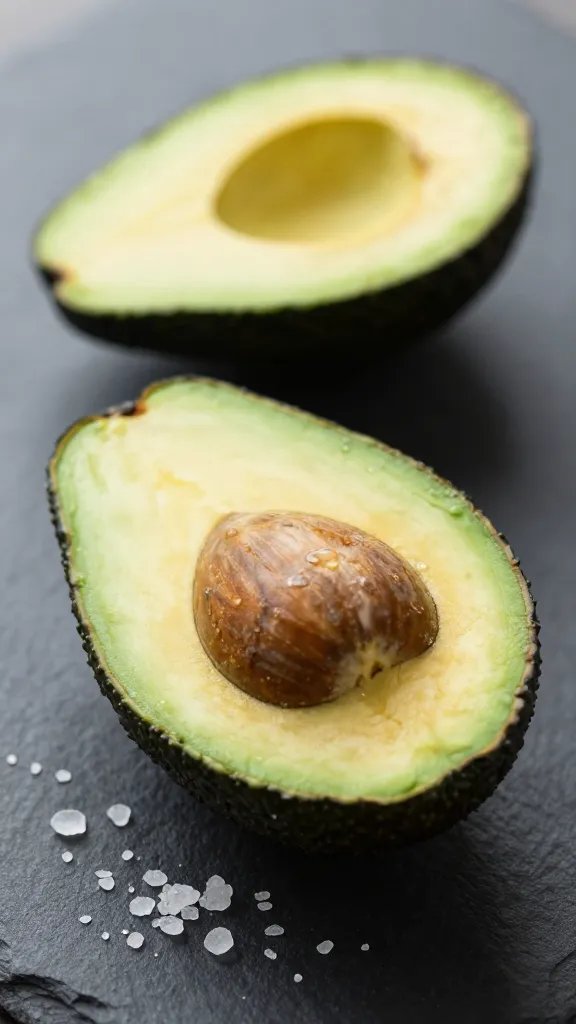
- 1/2 large avocado, sliced
- 2 tbsp tahini-lemon dressing (1 tbsp tahini + lemon juice + water + salt)
Why it works: Balanced macros, plenty of fiber, and healthy fats for staying power. Also: tastes like lunch you’d actually look forward to.
Estimated Nutrition per serving (1 bowl):
- Calories: ~560
- Total Fat: ~24 g
- Total Carbohydrates: ~44 g
- Dietary Fiber: ~11 g
- Net Carbs: ~33 g
- Protein: ~38 g
Disclaimer: Nutrition values are estimates based on typical USDA data and common brands. Actual numbers will vary by product, measurements, and cooking methods.
Snack Like a Pro (Not a Raccoon)
Random snacks add up. Smart snacks help you cruise through the afternoon like a boss. Pair protein + fiber and you’re golden.
Great combos:
- Apple + 1–2 tbsp peanut butter
- String cheese + a handful of grapes
- Hummus + baby carrots and cucumbers
- Roasted chickpeas + clementine
FAQ
Do I need to count calories to feel full and satisfied?
Nope. You can focus on quality and balance: include protein, fiber, and fat at each meal, eat slowly, and stop at satisfied. Calories matter for weight change, but you don’t need to micromanage them to improve fullness and energy.
What’s the best breakfast for staying full?
Go protein-forward: Greek yogurt with fruit and nuts, eggs with whole-grain toast and avocado, or overnight oats with chia and protein powder. Add fiber and a bit of fat and you’ll cruise until lunch.
Are low-carb diets better for fullness?
Some folks feel fuller with fewer carbs, but it’s not universal. The real key is protein + fiber + fat. Plenty of people feel fantastic on balanced carbs from whole grains, beans, and fruit. Try both styles and see what sticks—IMO, the best plan is the one you’ll follow.
How much protein should I aim for at each meal?
A simple target: 20–40 g per meal, depending on your size and activity. Most people feel great around 1 palm-sized portion of protein per meal. If you train hard, lean toward the higher end.
What if I always want dessert?
Plan for it. A square or two of dark chocolate after dinner can feel satisfying and sane. Or do fruit with yogurt or a protein hot chocolate. When you allow treats, you avoid the “forbidden fruit” binge spiral—FYI, that’s the real enemy.
Bottom Line
You don’t need to eat less—you need to eat smart. Build meals with protein, fiber, and fat, lean on high-volume foods, hydrate like you mean it, and slow down enough to feel satisfied. Do that most of the time and, honestly, overeating stops feeling tempting. Hunger handled, energy steady, life goes on.