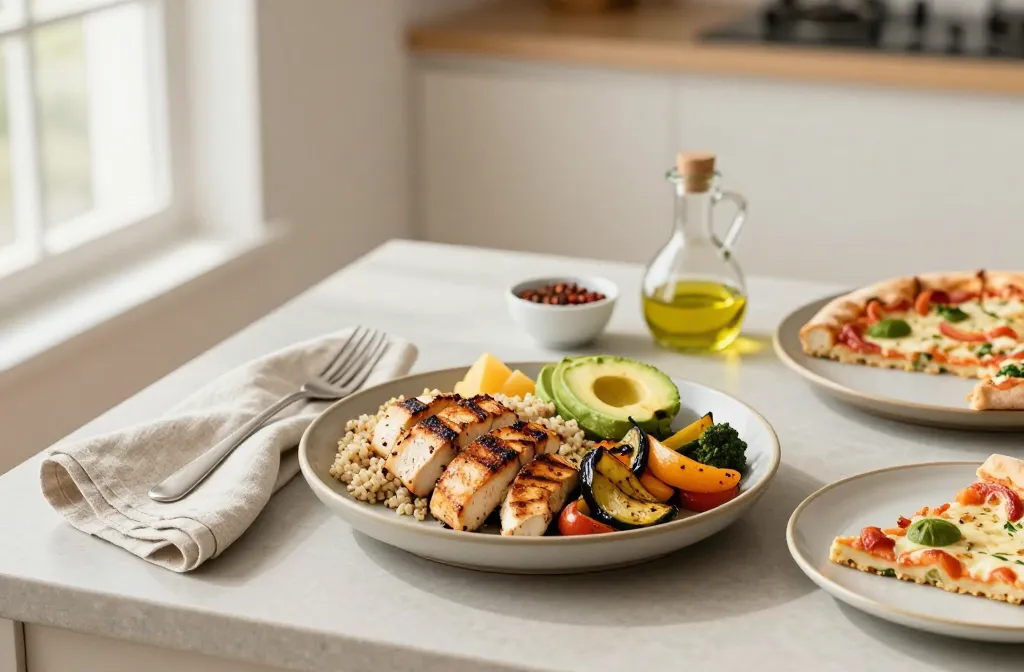
How to Finally Feel Calm and Confident Around Food Today
You don’t need a new diet. You need a new vibe. If food feels like a math test you didn’t study for, let’s change that. You can enjoy pizza, listen to your hunger, and stop side-eyeing your pantry like it owes you money. Ready to feel calm and confident around food without turning your life into a spreadsheet? Let’s go.
Recognize the Real Problem (It’s Not the Bread)
Food drama usually isn’t about the actual food. It’s the rules, guilt, and “good vs. bad” labels stuck in your head. When you fear carbs or punish yourself for dessert, your brain predictably rebels later. Cue overeating and shame. Fun cycle, right?
Try this:
Overeating is a pattern. This helps you fix that problem. A quick reset for cravings, snacking, and “I’ll start tomorrow” moments.
Built for busy home cooks who want real-life structure. Simple steps that fit meal prep, family dinners, and late-night snack attacks.
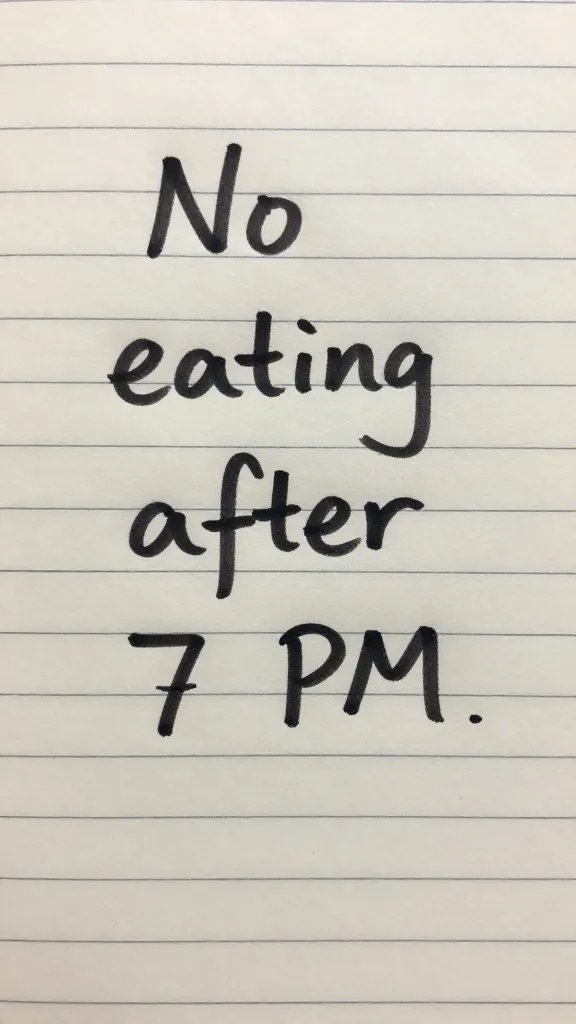
- Notice your food rules. Write them down. “No eating after 7 PM.” “Bread is bad.”
- Challenge one rule this week. Keep the rest for now. You’re testing, not revolting.
- Swap labels. Instead of “bad,” say “satisfying,” “energizing,” or “meh.” Words matter.
Build Your Calm Plate (No Perfection Required)
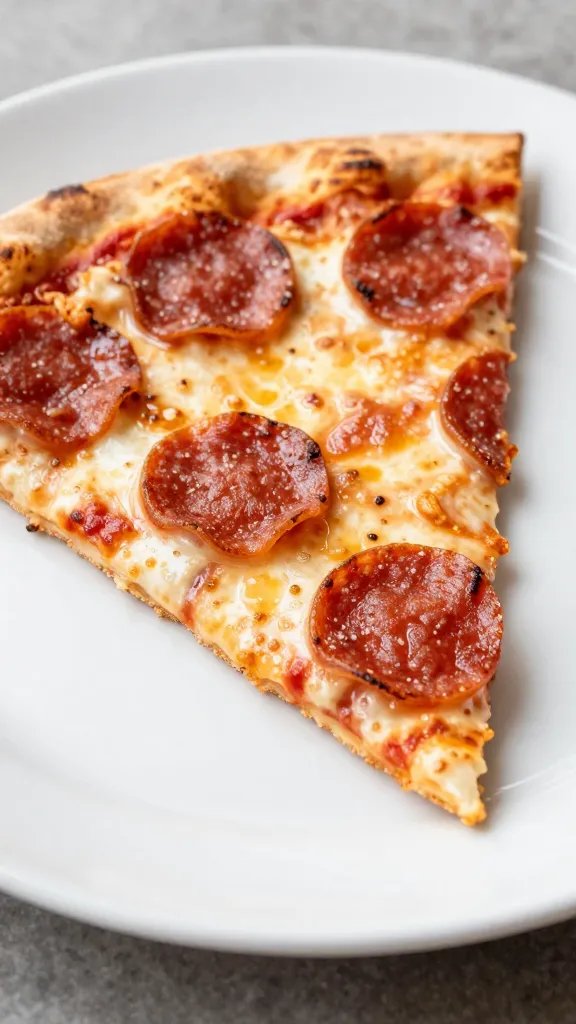
You don’t need macros tattooed on your forearm. You just need balance most of the time. Think of a meal that includes:
- Protein (chicken, tofu, eggs, Greek yogurt) for staying power
- Fiber-rich carbs (rice, beans, fruit, whole grains) for energy
- Fat (olive oil, avocado, nuts) for satisfaction
- Flavor (sauce, spices, crunch) so you actually enjoy it
Quick Formula You Can Use Anywhere
- Pick a protein the size of your palm.
- Add a fist of carbs.
- Add a thumb or two of fat.
- Fill the rest with veggies or fruit.
Do you have to do this every meal? No. But if you do it often, your appetite chills out. IMO, that’s the whole point.
Make Hunger and Fullness Your GPS
Diet culture told you hunger is a problem. Actually, hunger is a helpful notification. Like your phone pinging “yo, 10% battery.” You wouldn’t yell at your phone, right?
Practice the 1–10 check-in:
- 1 = ravenous, 10 = stuffed. Aim to start eating around 3–4.
- Pause mid-meal. Ask, “Where am I now?” Stop around 6–7.
- If you overshoot, cool. You learned. No shame spiral needed.
What If You Don’t Feel Hunger Cues?
If you’ve dieted heavily, your signals might feel muted. Start with gentle structure:
- Eat every 3–4 hours.
- Include protein and carbs each time.
- Cues usually return when your body trusts you again. FYI, that can take weeks.
Neutralize Trigger Foods (So They Stop Owning You)
If you keep certain foods “off-limits,” they become shiny objects. Then when you finally eat them, you go all in. Let’s de-shine them.
Exposure strategy:
- Pick one “scary” food (e.g., cookies).
- Eat it regularly in a calm context (like with lunch, on a plate, sitting down).
- Pair with protein or fiber to slow the spike (yogurt + cookie, apple + peanut butter).
- Rate satisfaction. Was one enough? Two? Adjust without judgment.
Do this a few times a week. Over time, the urgency fades. You gain freedom without forcing willpower.
Meal Planning for Real Life (aka Future You Will Thank You)
No 37-step recipes. Just structure that protects your peace. Think “low friction.”
Pick 3–5 anchor meals per week:
- Taco bowls (meat or beans + rice + salsa + avocado)
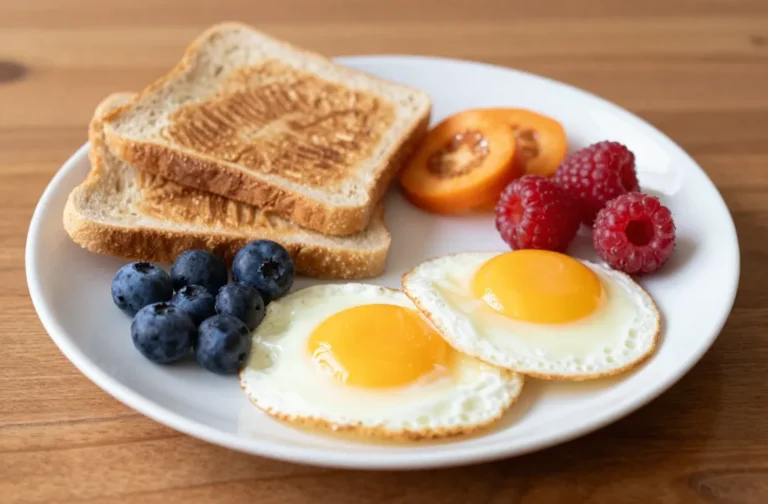
- Omelet + toast + fruit
- Frozen dumplings + bagged slaw + sesame oil
- Rotisserie chicken + microwaved potatoes + salad kit
Snack Smart Without Overthinking
Use the “P+F/C” combo:
- Protein + Fat: cheese + nuts
- Protein + Carb: Greek yogurt + berries
- Fat + Carb (add a little protein if you can): avocado toast + egg
You’ll stop panic-eating whatever’s closest at 4 PM. Been there.
Handle Social Eating Without the Spiral
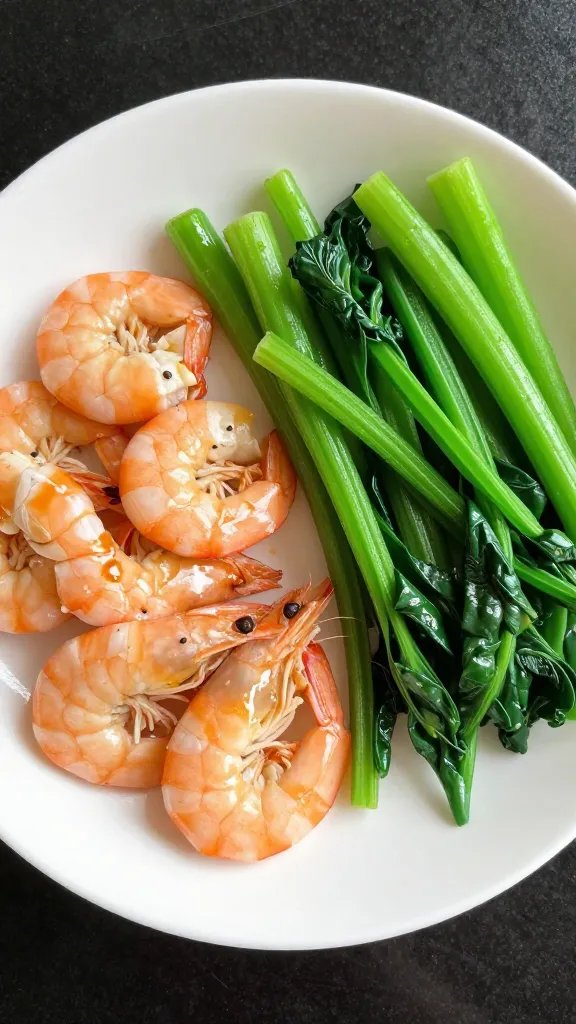
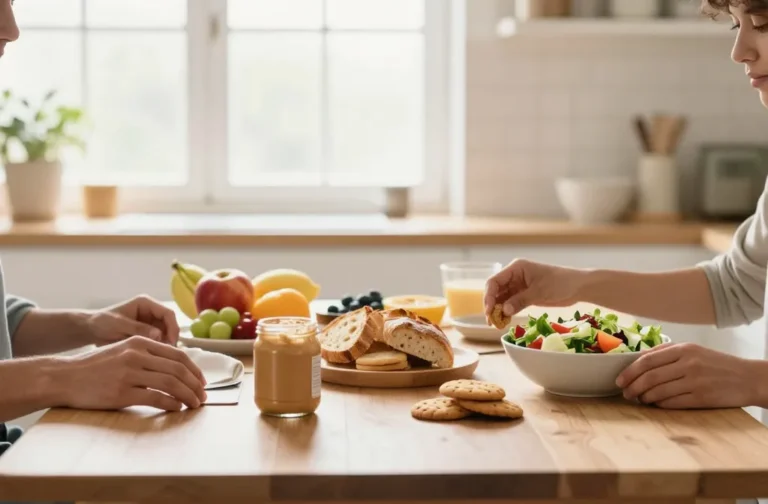
Parties, pizza nights, brunch—life happens. You can enjoy them and still feel grounded.
Game plan:
- Don’t “save up” all day. Eat normally so you don’t arrive starving.
- Start with protein and something fresh, then add the fun stuff.
- Choose your favorites on purpose. You don’t need every option on the table.
- If you overdo it, hydrate, move a little, and carry on. No “make up for it” workouts.
Mindset Shifts That Change Everything
A calm approach sticks because you change how you think, not just what you eat.
- Progress over perfection. One wobbly meal doesn’t erase your pattern.
- Curiosity over judgment. Ask “What helped? What didn’t?”
- Consistency over intensity. Boring wins. IMO, boring is the new sexy.
FAQ
Can I lose weight while doing this?
Possibly, but the goal is peace with food. When you eat consistently and stop swinging between restriction and overeating, your weight may settle. Focus on habits first. Your body handles the rest better than constant micromanaging.
What if I crave sugar every afternoon?
First, make sure you ate enough earlier—especially protein and carbs at lunch. Add a balanced snack around 3 PM. If you still want something sweet, have it with your snack instead of white-knuckling it. Cravings drop when your body trusts you’ll feed it.
Do I need to track calories?
Not necessarily. Tracking can teach awareness, but it can also create anxiety. If you try it, do it short-term and with flexibility. If it messes with your head, drop it. Your cues matter more.
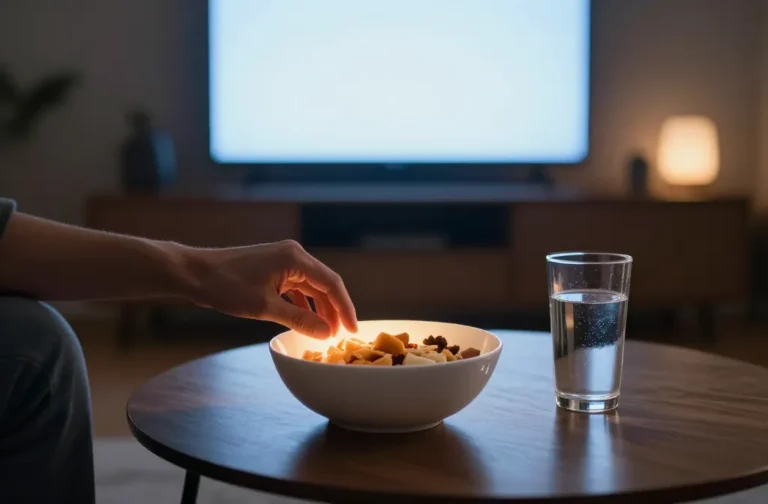
How do I stop nighttime snacking?
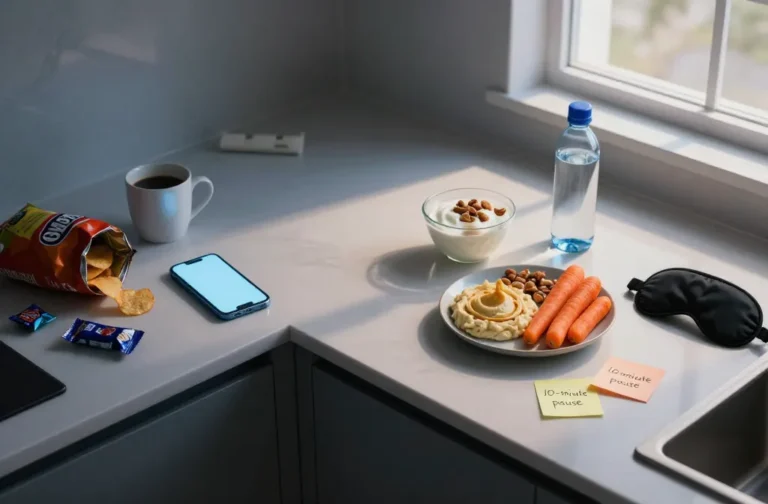
Eat enough during the day, include carbs at dinner, and set a “kitchen wind-down” ritual—tea, phone on Do Not Disturb, lights down. If you still want a snack, have something balanced like yogurt + granola. Sometimes you’re just tired, not hungry.
Is gluten/dairy/sugar the problem?
For most people, no. If you suspect an intolerance, talk to a pro and test systematically. Cutting everything “just in case” usually backfires and ramps up cravings.
Conclusion
You don’t need more rules—you need trust, structure, and a dash of chill. Build balanced meals most of the time, listen to your signals, keep favorite foods in the rotation, and zoom out when things get messy. Food gets simple when you stop fighting your body and start teaming up with it. FYI: you’ve got this.
Estimated Nutrition for Sample Recipes
Below are three simple, balanced “calm plate” style recipes with estimated nutrition per serving. Serving sizes are noted; if not provided in the recipe name, I estimated a reasonable portion.
Taco Bowls (Beef + Rice + Salsa + Avocado)
Serving size: 1 bowl (1 cup cooked 90% lean ground beef, 1 cup cooked white rice, 1/4 medium avocado, 1/4 cup salsa)
Estimated nutrition per serving:
- Calories: 730
- Total Fat: 30 g
- Total Carbohydrates: 73 g
- Dietary Fiber: 5 g
- Net Carbs: 68 g
- Protein: 38 g
Notes on ingredients used for estimates:
- Ground beef, 90% lean, cooked: ~8 oz (1 cup) = ~340 kcal, 19 g fat, 0 g carbs, 39 g protein
- Cooked white rice: 1 cup = ~205 kcal, 45 g carbs, 0.6 g fiber, 4.3 g protein
- Avocado: 1/4 medium = ~60 kcal, 5.5 g fat, 3 g carbs, 2.5 g fiber
- Salsa: 1/4 cup = ~20 kcal, 4 g carbs, 1 g fiber
- Olive oil for cooking (optional, ~1 tsp): ~40 kcal, 4.5 g fat
- Seasonings negligible
Omelet + Toast + Fruit
Serving size: 1 plate (3-egg omelet cooked in 1 tsp butter, 1 slice whole-wheat toast with 1 tsp butter, 1 medium apple)
Estimated nutrition per serving:
- Calories: 670
- Total Fat: 36 g
- Total Carbohydrates: 60 g
- Dietary Fiber: 10 g
- Net Carbs: 50 g
- Protein: 28 g
Notes on ingredients used for estimates:
- Eggs, large x3: ~215 kcal, 15 g fat, 1.5 g carbs, 19 g protein
- Butter, 2 tsp total: ~68 kcal, 7.7 g fat
- Whole-wheat toast, 1 slice: ~110 kcal, 19 g carbs, 3 g fiber, 5 g protein
- Apple, medium: ~95 kcal, 25 g carbs, 4.5 g fiber
- Optional cheese (not included); salt/pepper negligible
Frozen Dumplings + Bagged Slaw + Sesame Oil
Serving size: 1 bowl (8 pork or chicken potstickers, 2 cups cabbage slaw mix, 1 tsp sesame oil, 1 tbsp soy sauce)
Estimated nutrition per serving:
- Calories: 560
- Total Fat: 20 g
- Total Carbohydrates: 64 g
- Dietary Fiber: 6 g
- Net Carbs: 58 g
- Protein: 27 g
Notes on ingredients used for estimates:
- Frozen potstickers (8 pieces): ~420 kcal, 13 g fat, 56 g carbs, 18 g protein (varies by brand)
- Bagged cabbage slaw, 2 cups: ~50 kcal, 10 g carbs, 4 g fiber, 2 g protein
- Sesame oil, 1 tsp: ~40 kcal, 4.5 g fat
- Soy sauce, 1 tbsp: ~10 kcal, 1 g protein, 1 g carb, sodium not included
- Green onions/chili flakes optional
Rotisserie Chicken + Microwaved Potatoes + Salad Kit
Serving size: 1 plate (5 oz rotisserie chicken meat, 1 medium russet potato, 2 cups salad kit with 1 tbsp dressing)
Estimated nutrition per serving:
- Calories: 610
- Total Fat: 20 g
- Total Carbohydrates: 63 g
- Dietary Fiber: 8 g
- Net Carbs: 55 g
- Protein: 42 g
Notes on ingredients used for estimates:
- Rotisserie chicken (mixed light/dark, skin trimmed), 5 oz: ~260 kcal, 13 g fat, 33 g protein
- Russet potato, medium (baked): ~168 kcal, 37 g carbs, 4 g fiber, 5 g protein
- Salad kit greens 2 cups: ~40 kcal, 8 g carbs, 2 g fiber
- Dressing, 1 tbsp: ~70–90 kcal, ~8–9 g fat (used 80 kcal estimate)
- Olive oil/salt on potato optional and not included
Disclaimer: Nutrition values are estimates based on standard USDA data and common brand averages. Actual numbers vary by brand, preparation, and portion size. If you have medical or dietary needs, consult a registered dietitian or use a detailed tracker with exact product labels.