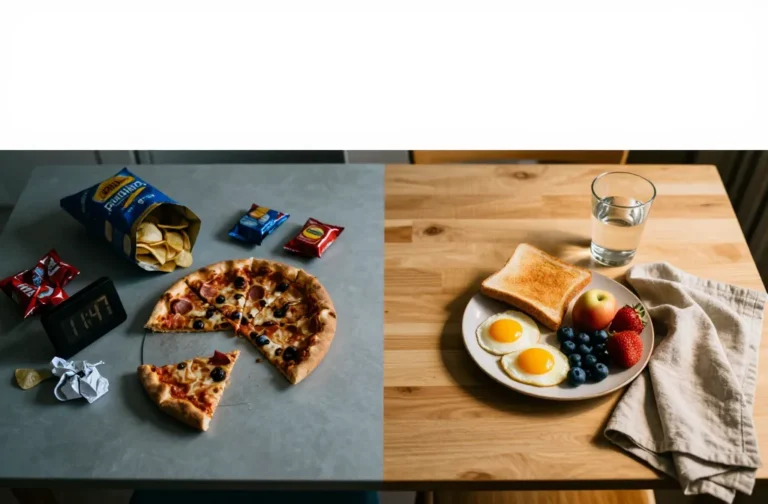
Stop the Snack Spiral the Simple Strategy to Prevent Overeating Before It Starts
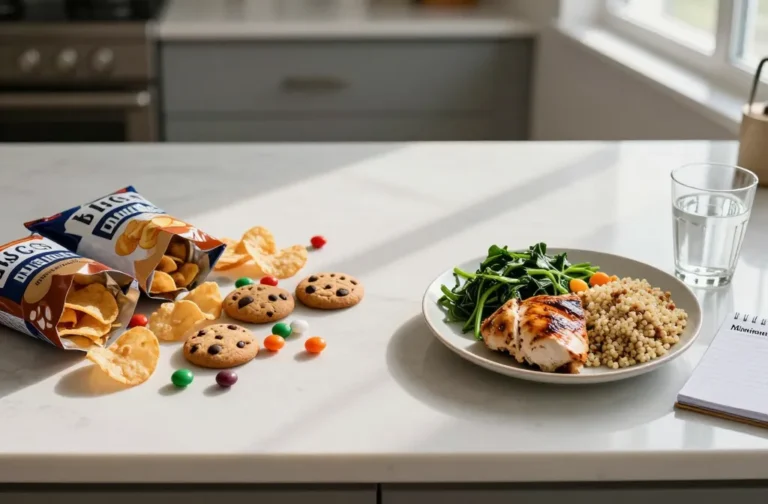
You know that moment when your hand reaches the bottom of the chip bag, and you swear it was just one serving? Let’s stop that movie before it starts. Overeating isn’t about willpower—it’s mostly about timing, setup, and a couple super simple habits you can do on autopilot. If you want a strategy that actually works (and doesn’t make you miserable), keep reading. Spoiler: it’s not a cleanse.
The Simple Strategy (Yes, Singular): Front-Load Your Day
Here’s the whole play: eat on purpose early, so you don’t eat by accident late. That’s it. Give your body stable energy before hunger turns into chaos. Because once your blood sugar dives, the snack gremlins win.
So we front-load: protein + fiber + hydration in the first half of your day. You stabilize appetite hormones and make later choices stupidly easy. Think of it as turning your hunger dial from “loud and dramatic” to “calm and reasonable.”
Overeating is a pattern. This helps you fix that problem. A quick reset for cravings, snacking, and “I’ll start tomorrow” moments.
Built for busy home cooks who want real-life structure. Simple steps that fit meal prep, family dinners, and late-night snack attacks.
Why It Works (Without the Jargon)
– Protein keeps you full and steady. Your brain chills out.
– Fiber slows digestion and tames cravings.
– Hydration prevents “I’m hungry” when you’re actually just dry as toast.
Build Your Anti-Overeating Morning

Here’s your simple template. Plug and play—no calorie counting needed.
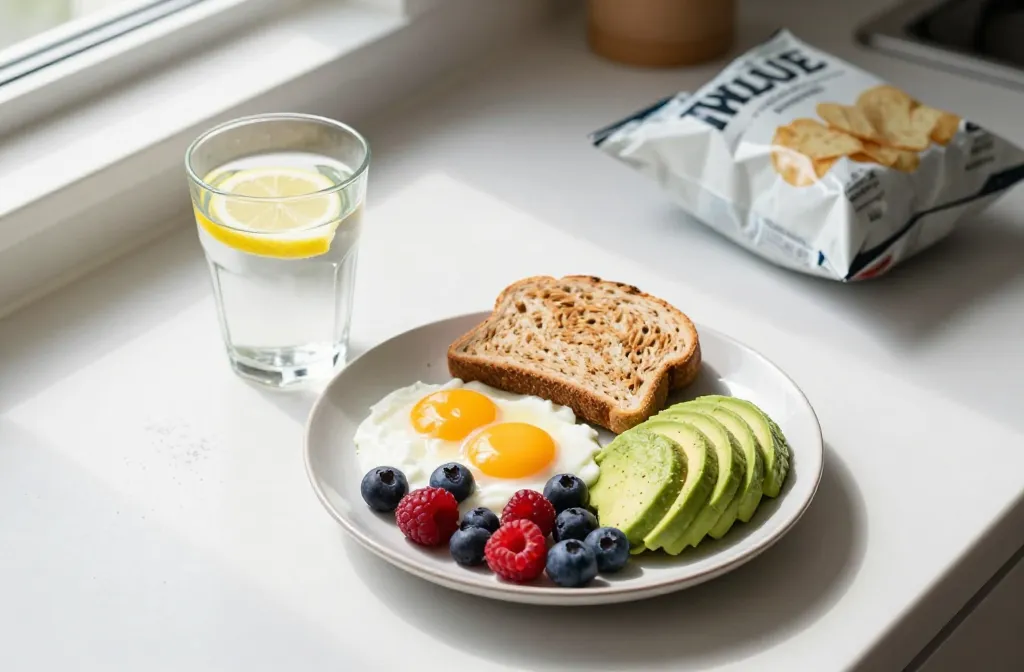
- Hydrate first: 12–20 oz water within 30 minutes of waking. Add a pinch of salt and lemon if you want bonus points.
- Eat breakfast or a solid first meal: Aim for 25–35g protein + 8–12g fiber.
- Front-load movement: A 10–20 minute walk before or after breakfast boosts appetite control. FYI, this works even better than coffee (IMO).
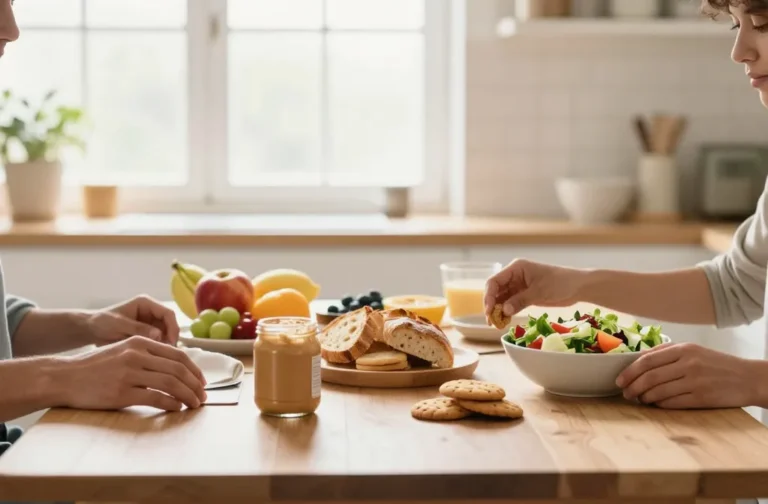
- Snack strategically: If you snack, choose protein + fiber combos (Greek yogurt + berries, apple + peanut butter, edamame, etc.).
What This Looks Like in Real Life
– Greek yogurt parfait with berries, chia, and a handful of high-fiber cereal.
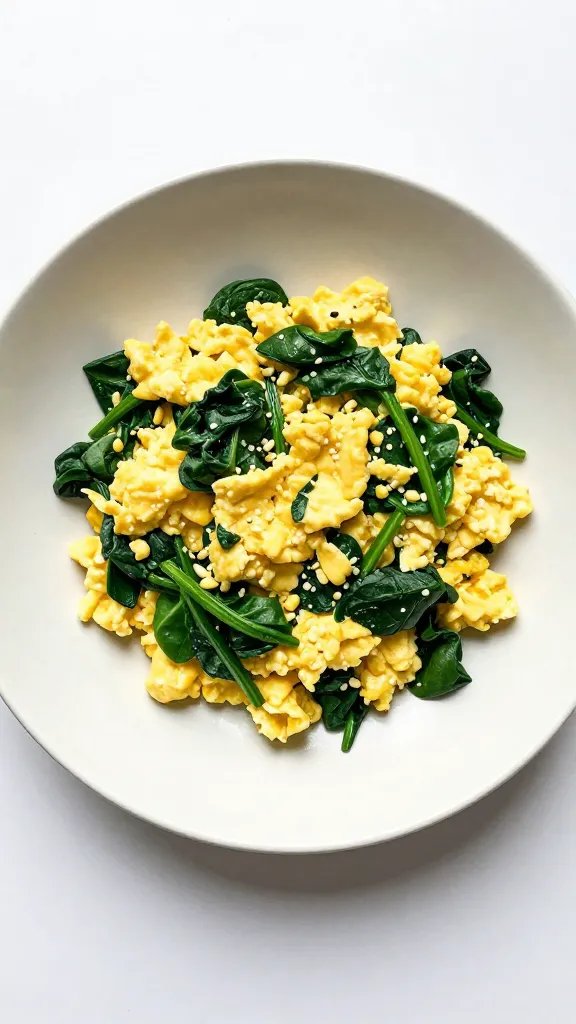
– Egg scramble with veggies + avocado + whole-grain toast.
– Protein smoothie with spinach, berries, chia/flax, and milk or kefir.
Cut the Chaos: Environment Beats Willpower
You don’t “fail” at night. Your pantry just outsmarts you. Set up guardrails.
- Use visible cues: Put fruit, nuts, or pre-cut veggies at eye level. Move snack traps (chips, cookies) to opaque containers on the highest shelf.
- Pre-portion the usual suspects: Pour chips, nuts, or trail mix into single-serve bags now, not when you’re hungry later.
- Plates matter: Smaller plates and bowls make normal portions look normal. Your brain eats with its eyes first.
The 2-Minute Rule Before Meals
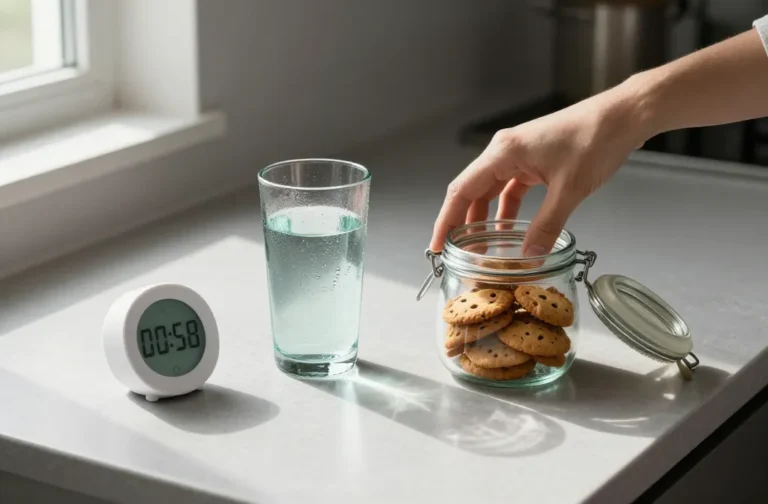
Before you eat, do this quick reset:
- Drink a full glass of water.
- Decide your portion before you start.
Both moves sound silly. Both work. Combine them and you dodge 200–400 “oops” calories without white-knuckling anything.
Outsmart the Afternoon: The Power of the Bridge Snack
Most overeating doesn’t happen at breakfast. It ambushes you between 3–9 pm. Enter the bridge snack: a small, strategic bite that carries you calmly to your next meal.
- Timing: 3–4 hours after lunch, or when hunger starts—not when you’re ravenous.
- Build: 10–20g protein + 5–8g fiber. Simple combos win.
Easy Bridge Snack Ideas
– Cottage cheese + pineapple + chia
– Protein shake + apple
– Hummus + carrots + a few whole-grain crackers
– Edamame + a clementine
Meal Timing That Actually Helps
You don’t need seven meals a day, but you do need rhythm. Your appetite loves predictability.
– Anchor meals: Eat at roughly the same times each day.
– Aim for 3–5 eating occasions: Big breakfast, solid lunch, bridge snack, dinner.
– Close the kitchen: Pick a time (e.g., 8 pm) and be done. Tea after that if you want something. Your sleep will improve, too.
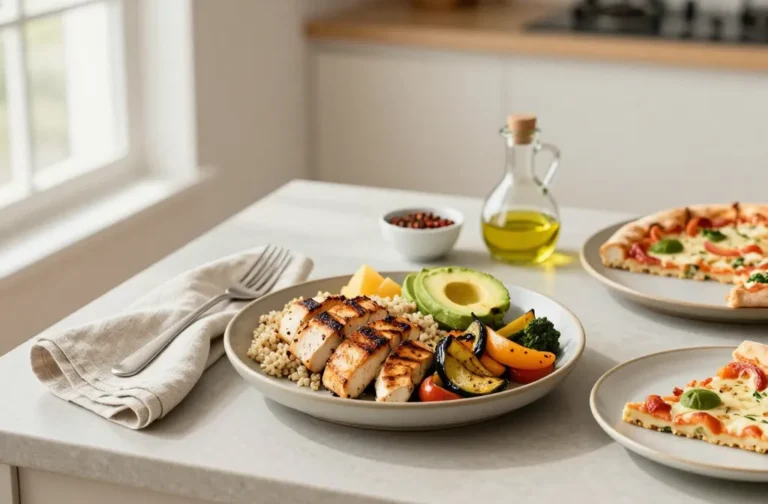
The Plate Formula (No Calculator Required)
– Half plate: veggies or fruit
– Quarter plate: protein
– Quarter plate: starch or grains
– Add: a thumb of healthy fat (olive oil, nuts, avocado)
Mind Tricks That Aren’t Cringe
No mantras. No toxic positivity. Just friction and flow.
- Pre-decide portions: Spoon your serving, put the container away, then sit down. Eat what’s on the plate, not what’s in the bag.
- Slow the first 5 minutes: Chew more, put the fork down twice, notice flavor. You’ll eat less without feeling robbed.
- Make seconds intentional: Wait 10 minutes. If you still want more, take more. You’ll be shocked how often you don’t.
Three Quick Recipes That Prevent Overeating (With Estimated Nutrition)
I built these to hit protein + fiber hard, keep you full, and taste good. Serving sizes are estimates based on typical portions.
1) Protein-Packed Yogurt Parfait
Serves: 1 bowl (about 14 oz total)
Ingredients:
- 1 cup (227g) plain nonfat Greek yogurt
- 1/2 cup (75g) mixed berries
- 2 tbsp (20g) chia seeds
- 1/2 cup (30g) high-fiber cereal (e.g., bran flakes)
- 1 tsp honey (optional)
Estimated nutrition per serving (1 bowl):
- Calories: ~380
- Total Fat: ~10 g
- Total Carbohydrates: ~44 g
- Dietary Fiber: ~15 g
- Net Carbs: ~29 g
- Protein: ~33 g
2) Veggie Egg Scramble with Avocado Toast
Serves: 1 plate
Ingredients:
- 3 large eggs
- 1 cup mixed veggies (bell pepper, spinach, mushrooms), sautéed in 1 tsp olive oil
- 1 slice whole-grain bread
- 1/4 medium avocado, mashed on toast
- Salt, pepper, hot sauce to taste
Estimated nutrition per serving (1 plate):
- Calories: ~520
- Total Fat: ~33 g
- Total Carbohydrates: ~34 g
- Dietary Fiber: ~9 g
- Net Carbs: ~25 g
- Protein: ~26 g
3) The Bridge Smoothie
Serves: 1 tall glass (about 16–18 oz)
Ingredients:
- 1 cup unsweetened almond milk (or dairy milk—see note)
- 1 scoop whey or plant protein (about 25g protein)
- 1 cup spinach
- 1/2 cup frozen berries
- 1 tbsp chia or ground flax
Estimated nutrition per serving (with almond milk):
- Calories: ~270
- Total Fat: ~8 g
- Total Carbohydrates: ~20 g
- Dietary Fiber: ~8 g
- Net Carbs: ~12 g
- Protein: ~30 g
Note: If you use 1 cup 2% dairy milk instead of almond milk, add ~110 calories, ~5 g fat, ~12 g carbs, and ~8 g protein.
Disclaimer: Nutrition values are estimates based on standard USDA ingredient data and common brand averages. Actual values vary by product and portion size.
Troubleshooting: When You Still Overeat
It happens. You’re human. Don’t spiral—debug it.
- Ask what was missing earlier: Not enough protein at lunch? No fiber at breakfast? Fix tomorrow’s first half, not tonight’s damage.
- Check sleep: 5–6 hours of sleep cranks hunger hormones. Prioritize 7–9 hours and watch cravings fall off a cliff (IMO).
- Emotional eating: Stress needs an outlet. Try a 5-minute walk, journal, or call a friend before you open the pantry.
FAQ
Do I have to eat breakfast to prevent overeating?
No, but you need an intentional first meal. If you love late mornings, make your first meal high in protein and fiber and hydrate early. Skipping aimlessly usually backfires at night.
How much protein should I eat per meal?
Aim for 25–35g per meal for most adults. If you train hard or have higher needs, bump to 35–45g. Spread it across the day for best appetite control.
What if I crave sweets after dinner?
Try a sweeter bridge snack earlier (Greek yogurt with fruit, protein pudding). After dinner, make tea your default and portion dessert on a plate. If you want more after 10 minutes, have it—no guilt. That pause alone often solves it.
Is fiber really that important?
Yes. Fiber slows digestion, feeds your gut bacteria, and helps regulate blood sugar. Target 25–35g per day. Add it gradually and drink water to avoid, uh, fireworks.
Can I still eat my favorite foods?
Absolutely. Front-load your day and use portions. Pre-portion chips or dessert, eat them sitting down, and enjoy them. Food joy prevents binges—deprivation fuels them.
Bottom Line
You don’t need a new diet. You need a morning and midday game plan that keeps hunger chill and decisions easy. Front-load protein, fiber, and water; add a smart bridge snack; set up your environment to help you, not test you. Do that, and overeating never gets a chance to start. Easy, boring, wildly effective—my favorite combo.