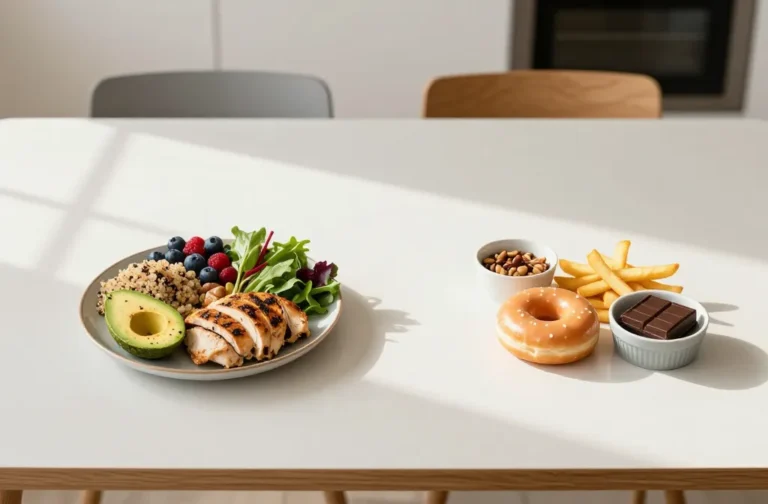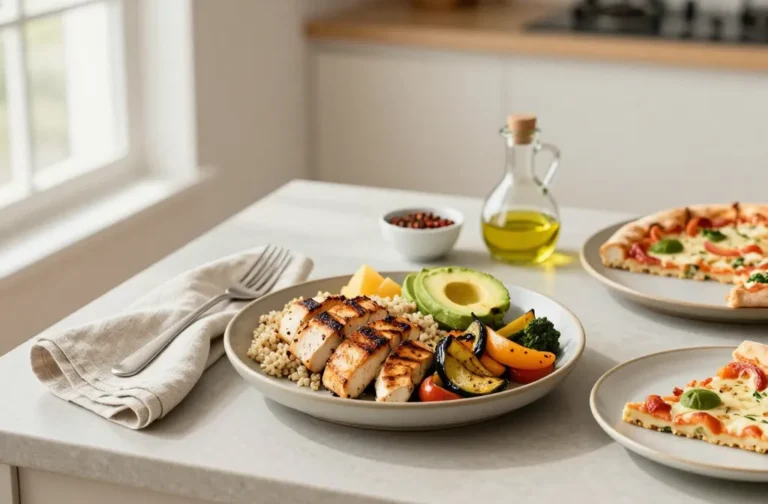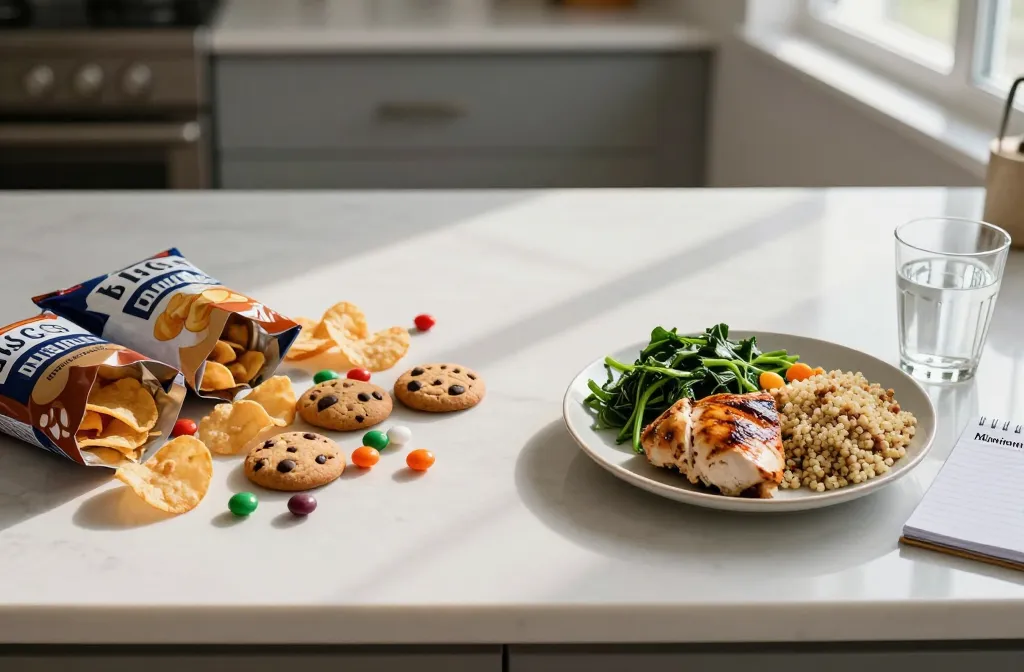
Why You Feel Out of Control Around Food (and How to Fix It) Fast
You swear you’ll “be good” all day… then a sleeve of cookies disappears in five minutes. You didn’t black out, but it sure felt close. You want control, not constant negotiations with your snack drawer. Good news: nothing is “wrong” with you. Your brain and your habits just teamed up a little too well. Let’s un-team them.
FREE 7-Day Easy Dinner Reset
Get 7 healthy, family-friendly dinners complete with recipes and simple meal plans delivered straight to your inbox.
Your Brain Loves Survival, Not Moderation
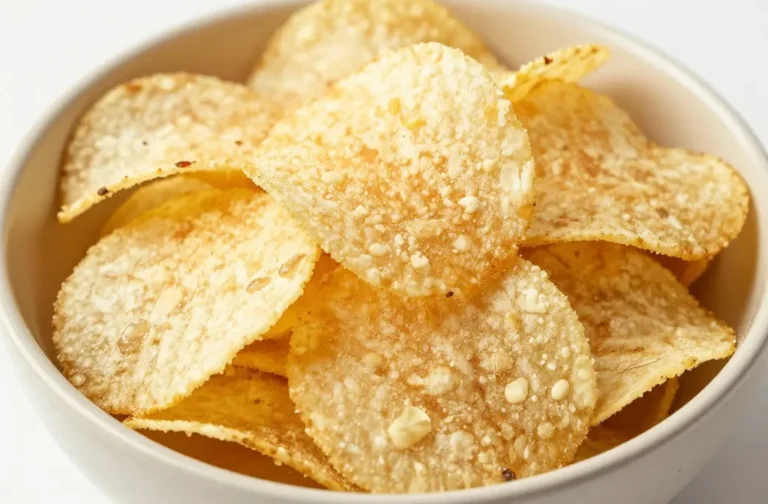
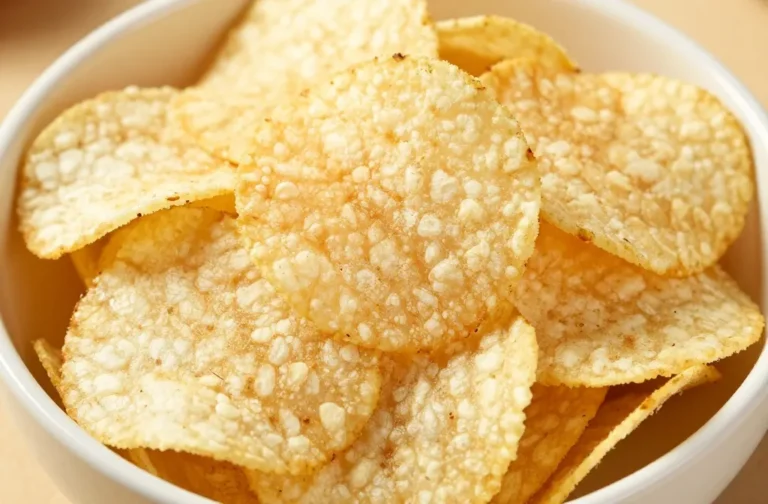
Your brain doesn’t care about “clean eating.” It cares about calories and quick energy. Hyper-palatable foods (hi, chips and candy) light up reward circuits like a pinball machine. You don’t lack willpower. You have a brain wired to chase dopamine.
Why that matters:
- Food companies engineer bliss points—fat, sugar, and salt combos that keep you nibbling.
- Restriction backfires. Your brain interprets “can’t have” as “must hoard.”
- Stress intensifies cravings because cortisol tells your body, “We need fast fuel now.”
Quick reframe
You’re not broken. You’re responsive. Once you understand your wiring, you can outsmart it.
Diets That Swing From Halo to Hell
All-or-nothing eating guarantees all-or-nothing results. You go “perfect” for three days, then “accidentally” inhale nachos and start over Monday. That cycle isn’t a you problem; it’s a strategy problem.
Try this instead:
- Set “minimums,” not “maximums.” Minimum protein per meal. Minimum veggies at lunch. Minimum 2L water. Minimums build momentum.
- Use flexible rules. “Sweets allowed after dinner.” “Pizza on Fridays—two slices.” Structure beats chaos.
- Pre-decide indulgences. If you plan dessert, you don’t need to argue with yourself at 3 p.m.
IMO: Perfection is just procrastination in a shiny outfit.
Hunger: The Boring Problem That Solves 80% of It
If you eat like a bird all day, you’ll eat like a bear at night. You can’t “mindset” your way out of biology. If you feel out of control around food, first fix the hunger math.
Build meals that satisfy:
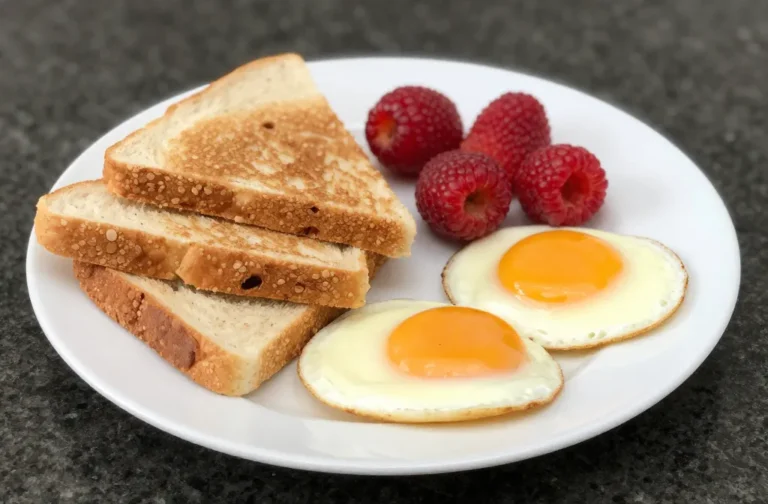
- Protein: 25–40 g per meal (eggs, Greek yogurt, chicken, tofu, fish).
- Fiber: 8–12 g per meal (veggies, beans, oats, berries).
- Fat: 10–20 g per meal (olive oil, nuts, avocado).
- Carbs: Time them around activity or when you need focus.
Hunger audit
Ask yourself:
- Did I skip protein at breakfast?
- Did I go 6+ hours without eating?
- Did I try to “save calories” for later? (FYI: Later always collects interest.)
Environment Beats Willpower Every Time
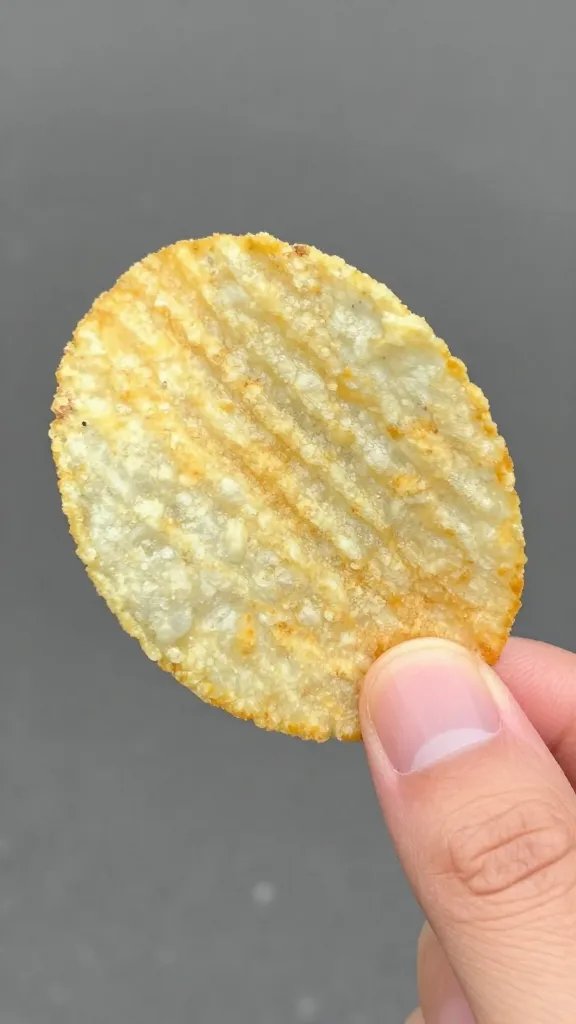
You eat what’s easy. You snack on what’s visible. Pretending otherwise is cute… and ineffective. Make the good stuff easy and the tempting stuff slightly annoying.
Five lazy-proof tweaks:
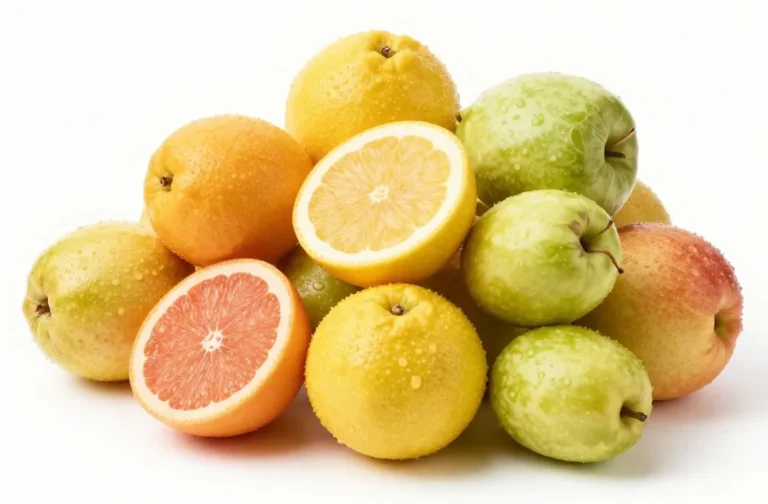
- Fruit front and center in the fridge; pre-wash and cut.
- Protein visible: Greek yogurt cups, boil-and-go eggs, rotisserie chicken.
- Treats live out of sight and not in arm’s reach—top shelf, opaque container.
- Plate your snacks. No eating from bags. Instant portion control.
- Single-serve indulgences (mini ice creams, snack-size chips) for built-in brakes.
Little friction, big payoff
Put cookies in the garage pantry. You’ll still eat them—just fewer, less often. Micro-speed bumps work.
Emotions, Stress, and the 8 p.m. Forage
You don’t want chocolate. You want relief. Food works fast, so your brain bookmarks it for “bad day” files. If you remove food without replacing the fix, you’ll white-knuckle it and rebound.
Build a “non-food soothe” menu:
- 10-minute walk outside
- Hot shower + podcast
- Box breathing: 4-4-4-4
- Text a friend; say the feeling, not the story
- Tea ritual after dinner
Make it ridiculously easy
Pair the new soothe with the trigger time. If you always snack at 9 p.m., schedule tea + a show or a puzzle at 8:50. You’re not “weak”—you’re rewiring.
Permission Beats Rebellion
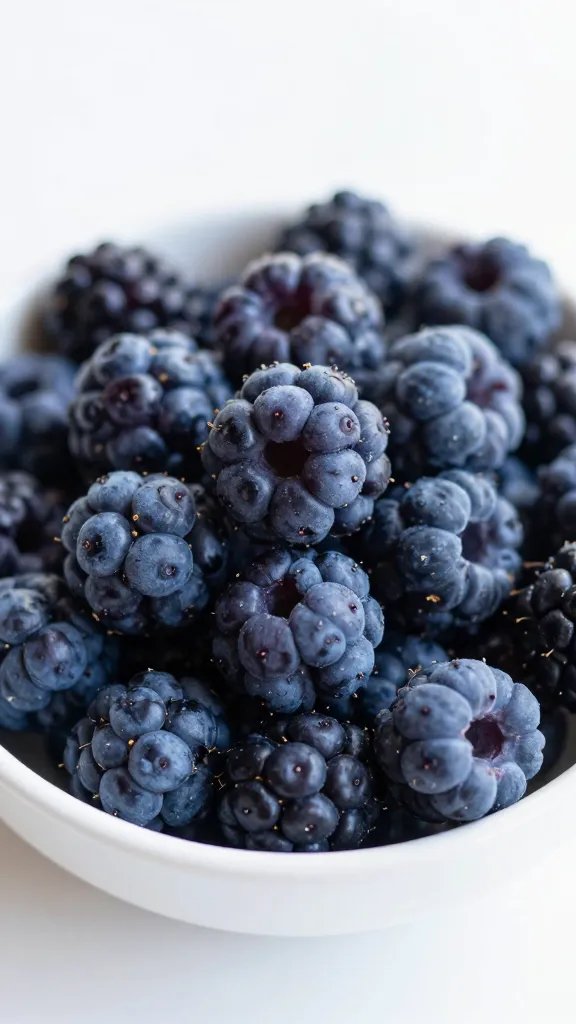
If you “ban” food, your inner teenager starts a black market. Grant full permission to eat anything—just not everything at once. Paradoxically, permission turns the volume down on cravings.
Practice “choose, don’t chase”:
- Rate your craving 1–10. If it’s 7+, have a portion intentionally.
- Plate it, sit down, enjoy it. No multitasking. Taste your life.
- Stop at satisfied, not stuffed. You can always have more tomorrow.
FYI
Moderation shows up after trust. Trust shows up after consistency. Keep at it.
Simple Systems That Actually Work
Complicated plans die on busy Wednesdays. Keep it dumb-easy.
- 3-2-1 dinner rule: 3 veggies, 2 palm-size proteins shared across the week, 1 fun carb per meal.
- Anchor meals: Eat the same breakfast and lunch on weekdays. Decision fatigue: deleted.
- Snack formula: Protein + produce (apple + cheese, edamame + clementine).
- Weekend reset: 30 minutes to stock proteins, chop veg, and portion carbs.
Never Wonder What's For Dinner Again
Get 7 healthy, family-friendly dinners complete with recipes, grocery lists, and simple meal plans delivered straight to your inbox.
IMO
Boring food routines beat exciting food chaos every time.
FAQs
Do I need to cut out sugar completely?
Nope. Total bans usually rebound. Aim for strategic sugar: enjoy it after protein-rich meals, pick portions you can plate, and choose treats you genuinely love instead of random office donuts.
How do I stop snacking at night?
Front-load your day with protein and fiber, eat a real dinner, and set a “kitchen closed” ritual—brush teeth, make tea, dim lights. If you still want something, choose a planned dessert, plate it, and sit to enjoy it.
Is intermittent fasting good if I overeat?
It can help some folks, but if you end up ravenous and binge later, it’s hurting, not helping. Start by stabilizing meals and hunger first. Consider a 12-hour gentle overnight fast instead of extreme windows.
What should I do after a binge?
Breathe. Drink water. Eat a normal protein-and-fiber meal next time you’re hungry. Move your body a little. Don’t punish with restriction—that’s how the cycle restarts.
How much protein do I actually need?
Many people feel great around 0.7–1.0 grams per pound of goal body weight, spread over 3–4 meals. Start by hitting 25–40 g per meal and adjust based on energy, recovery, and hunger.
Quick Recipes + Estimated Nutrition
Serving sizes noted; values are estimates using standard USDA data.
1) Greek Yogurt Power Bowl
Serving size: 1 bowl
Ingredients per serving:
– 3/4 cup (170 g) nonfat Greek yogurt
– 1/2 cup mixed berries
– 1 tbsp honey
– 2 tbsp chopped almonds
Estimated nutrition per serving:
– Calories: 305
– Total Fat: 9 g
– Total Carbohydrates: 41 g
– Dietary Fiber: 6 g
– Net Carbs: 35 g
– Protein: 23 g
2) High-Protein Egg Wrap
Serving size: 1 wrap
Ingredients per serving:
– 1 large whole-wheat tortilla (50 g)
– 2 large eggs, scrambled
– 1/4 cup shredded reduced-fat cheddar
– 1/4 avocado, sliced
– Handful spinach
Estimated nutrition per serving:
– Calories: 430
– Total Fat: 23 g
– Total Carbohydrates: 34 g
– Dietary Fiber: 10 g
– Net Carbs: 24 g
– Protein: 26 g
3) Rotisserie Chicken Veggie Bowl
Serving size: 1 bowl
Ingredients per serving:
– 4 oz rotisserie chicken breast, skin removed
– 1/2 cup cooked quinoa
– 1 cup roasted mixed vegetables (broccoli, peppers, zucchini) with 1 tsp olive oil
– 2 tbsp hummus
Estimated nutrition per serving:
– Calories: 470
– Total Fat: 17 g
– Total Carbohydrates: 44 g
– Dietary Fiber: 9 g
– Net Carbs: 35 g
– Protein: 38 g
4) Cottage Cheese Berry Crunch
Serving size: 1 bowl
Ingredients per serving:
– 1 cup low-fat (2%) cottage cheese
– 1/2 cup strawberries, sliced
– 1 tbsp chia seeds
– 1 tbsp chopped walnuts
Estimated nutrition per serving:
– Calories: 340
– Total Fat: 17 g
– Total Carbohydrates: 17 g
– Dietary Fiber: 6 g
– Net Carbs: 11 g
– Protein: 28 g
5) Sheet-Pan Salmon and Potatoes
Serving size: 1 plate
Ingredients per serving:
– 5 oz salmon fillet
– 6 oz baby potatoes, halved
– 1 cup green beans
– 2 tsp olive oil total, salt, pepper, lemon
Estimated nutrition per serving:
– Calories: 560
– Total Fat: 28 g
– Total Carbohydrates: 41 g
– Dietary Fiber: 7 g
– Net Carbs: 34 g
– Protein: 39 g
6) Snack Plate: Apple, Cheese, and Turkey
Serving size: 1 plate
Ingredients per serving:
– 1 medium apple
– 1 oz sharp cheddar
– 2 oz sliced turkey breast
Estimated nutrition per serving:
– Calories: 260
– Total Fat: 10 g
– Total Carbohydrates: 25 g
– Dietary Fiber: 4 g
– Net Carbs: 21 g
– Protein: 20 g
7) Quick Bean-and-Rice Bowl
Serving size: 1 bowl
Ingredients per serving:
– 3/4 cup cooked brown rice
– 1/2 cup black beans, rinsed
– 1/4 cup salsa
– 1 tbsp sour cream
– 1 oz shredded jack cheese
Estimated nutrition per serving:
– Calories: 430
– Total Fat: 14 g
– Total Carbohydrates: 59 g
– Dietary Fiber: 11 g
– Net Carbs: 48 g
– Protein: 18 g
8) Banana Peanut Butter Smoothie
Serving size: 1 smoothie (about 14–16 oz)
Ingredients per serving:
– 1 medium banana
– 3/4 cup unsweetened almond milk
– 2 tbsp peanut butter
– 1 scoop whey protein (about 25 g protein)
Estimated nutrition per serving:
– Calories: 470
– Total Fat: 22 g
– Total Carbohydrates: 36 g
– Dietary Fiber: 6 g
– Net Carbs: 30 g
– Protein: 38 g
Disclaimer: Nutrition values are estimates based on typical USDA data and common brands. Actual values vary by product, preparation, and portion size.
The Bottom Line
You don’t need more willpower. You need better setup: steady meals, smarter environment, planned pleasure, and simple systems you’ll actually use. Start with one tweak today—protein at breakfast, or plating snacks—and stack wins. Control isn’t a character trait; it’s a collection of habits. Build them, and food drama gets quiet.
Loved This Recipe?
If you're looking for more simple, healthy dinners your family will actually eat, grab my FREE 7-Day Easy Dinner Reset. You'll get 7 easy dinner recipes, simple grocery lists, and a done-for-you plan that takes the stress out of mealtime.