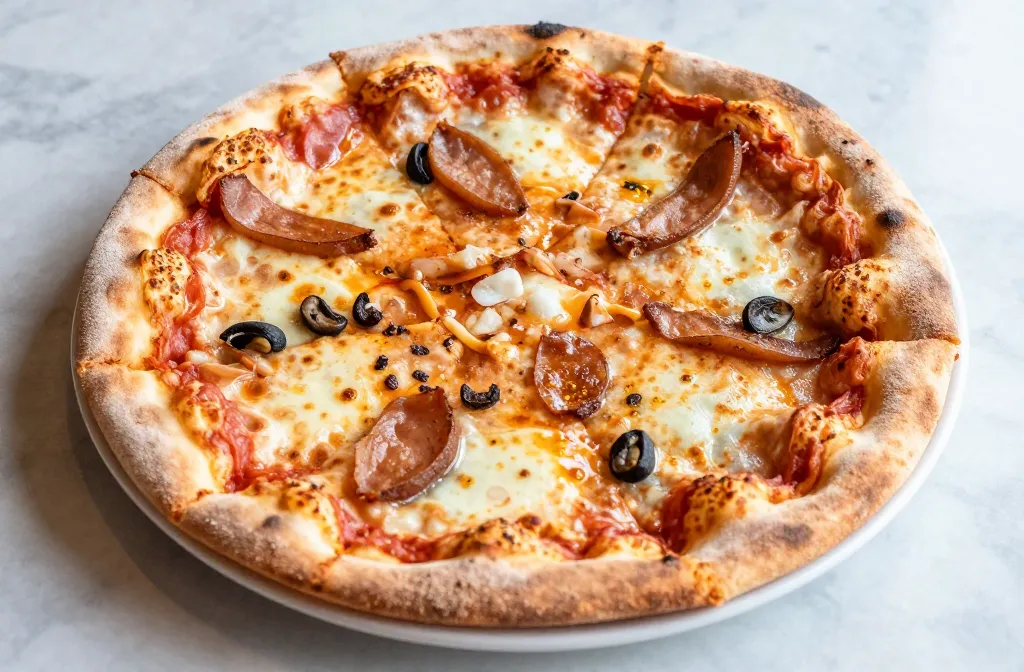
Stop the Spiral the 5 Triggers That Lead to Overeating Every Time
You promise yourself you’ll stop at one slice, and then—whoops—the pizza’s gone. We’ve all got those sneaky triggers that flip the “eat now” switch even when we’re not hungry. Good news: once you see them, you can outsmart them. Let’s call them out, set some traps, and take back your appetite with zero food guilt.
The Emotional Tornado: Stress, Boredom, and Feelings
Emotions love to raid your pantry. Stress spikes cortisol, and cortisol whispers “carbs, now.” Boredom? That’s basically your brain asking for dopamine, which food happily delivers.
Spot it: You’re not hungry, but you’re “craving.” You want something specific (chips, cookies, whatever lives in the crinkly bags).
Fix it: Create a non-food “comfort menu.”
Overeating is a pattern. This helps you fix that problem. A quick reset for cravings, snacking, and “I’ll start tomorrow” moments.
Built for busy home cooks who want real-life structure. Simple steps that fit meal prep, family dinners, and late-night snack attacks.
- Walk outside for 10 minutes
- Two-minute breathwork or a quick stretch
- Text a friend (yes, memes count)
- Hot tea + a podcast
Build a 5-Minute Pause
Set a timer for five minutes before grabbing the snack. If the craving fades, it was emotional. If it grows and your stomach joins the convo? Eat—mindfully.
The Environment Trap: Your Kitchen Sets You Up
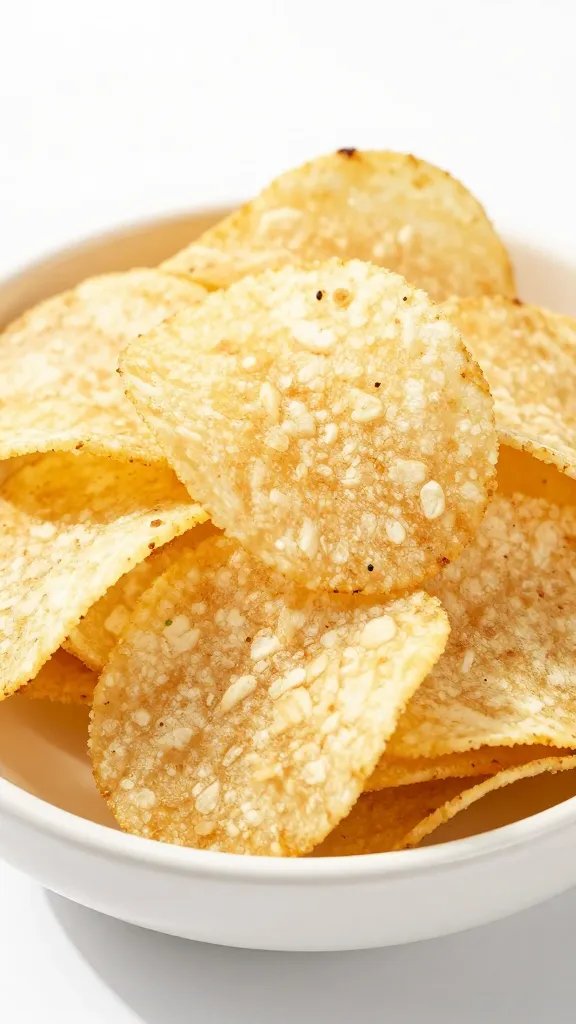
Your environment silently directs your eating. Big plates, clear containers, snacks at eye level—these nudge you to eat more without noticing.
Spot it: You eat more when food sits on the counter or the bag lives on the coffee table.
Fix it: Engineer your space like a food ninja:
- Hide the snacks in opaque containers, top shelf
- Pre-portion chips, nuts, and treats into single servings
- Use smaller plates and bowls—portion illusion is real
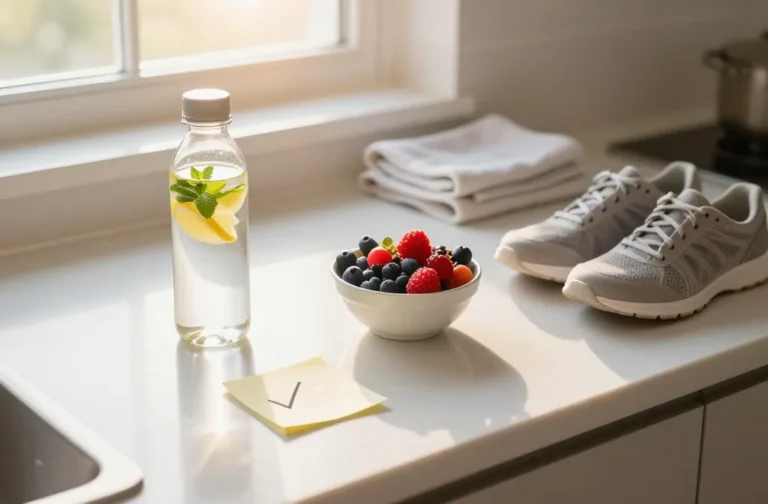
- Front-load the fridge with ready-to-eat fruit, yogurt, cut veggies
FYI: Visibility = Consumption
If you see it, you’ll eat it. Keep the fruit bowl out and the cookies in witness protection.
Hunger Hijacks: Skipping Meals and Low-Protein Days
You skip breakfast “to be good,” then it’s 4 p.m. and you could body-slam a burrito. Real hunger steamrolls willpower every time.
Spot it: You get hangry, snack like a raccoon, or binge at night.
Fix it: Build meals that actually satisfy:
- Protein: 20–35 g per meal (eggs, Greek yogurt, chicken, tofu)
- Fiber: 8–12 g (veggies, beans, whole grains, berries)
- Fat: 10–20 g (olive oil, nuts, avocado) to extend fullness
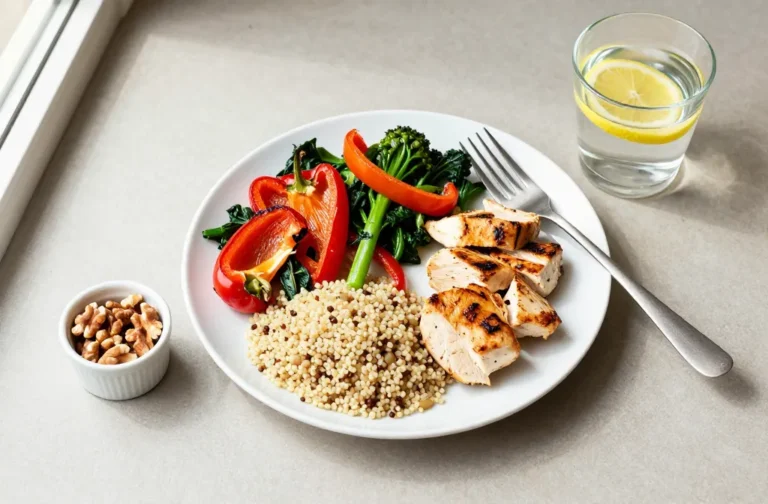
Simple Plate Formula
Half veggies, a palm or two of protein, a cupped hand of carbs, a thumb of fat. It’s not fancy, but it works.
The Cue-Reward Loop: Routines That Turn On Autopilot

Your brain loves patterns. Sit on the couch? Your hand asks for popcorn. Open laptop? Suddenly you “need” a latte and a pastry. That’s a cue-reward loop.
Spot it: Same time, same place, same snack—like clockwork.
Fix it: Keep the cue, swap the routine, keep a reward.
- Cue: Netflix. New routine: herbal tea + gum. Same reward: chill vibes
- Cue: afternoon slump. New routine: 5-minute walk + sparkling water
- Cue: drive home. New routine: playlist you love; snack only if planned
IMO: Don’t Demonize Habits—Rewrite Them
You don’t need monk-level discipline. You need a slightly better default.
Food Designed To Win: Hyperpalatable Combos
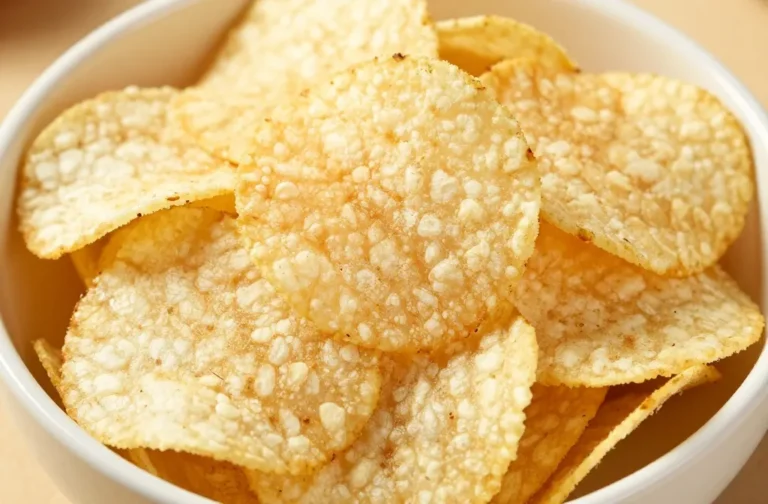
Manufactured foods stack salt + sugar + fat to override fullness signals. Your brain lights up, and the “off” switch goes on vacation.
Spot it: You can’t stop at one. You eat past fullness and still want more.
Fix it: Create guardrails, not bans:
- Pair trigger snacks with a protein or fiber base (chips + salsa + beans)
- Single-serve it when you want the “real thing”
- Upgrade the crave: air-popped popcorn with parmesan, dark chocolate + almonds
80/20 Tastes-Good Strategy
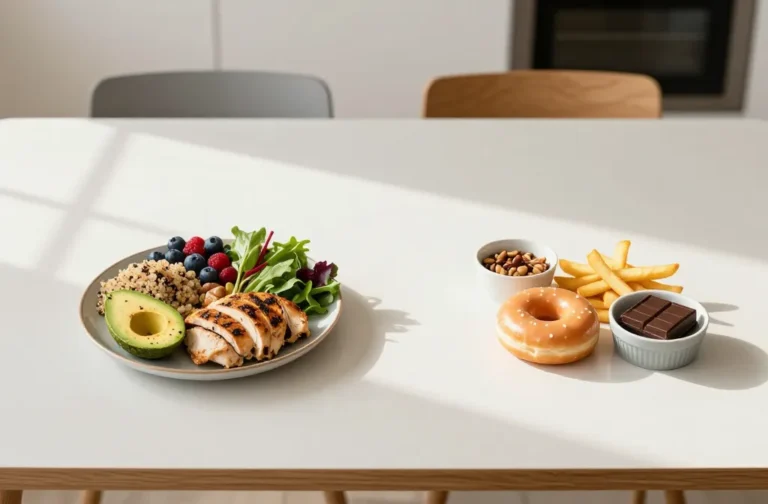
Eat mostly food that loves you back. Leave 20% for the fun stuff so it doesn’t become forbidden fruit (which, ironically, you’ll want more).
Social Pressure and “Special Occasions” (AKA Every Weekend)
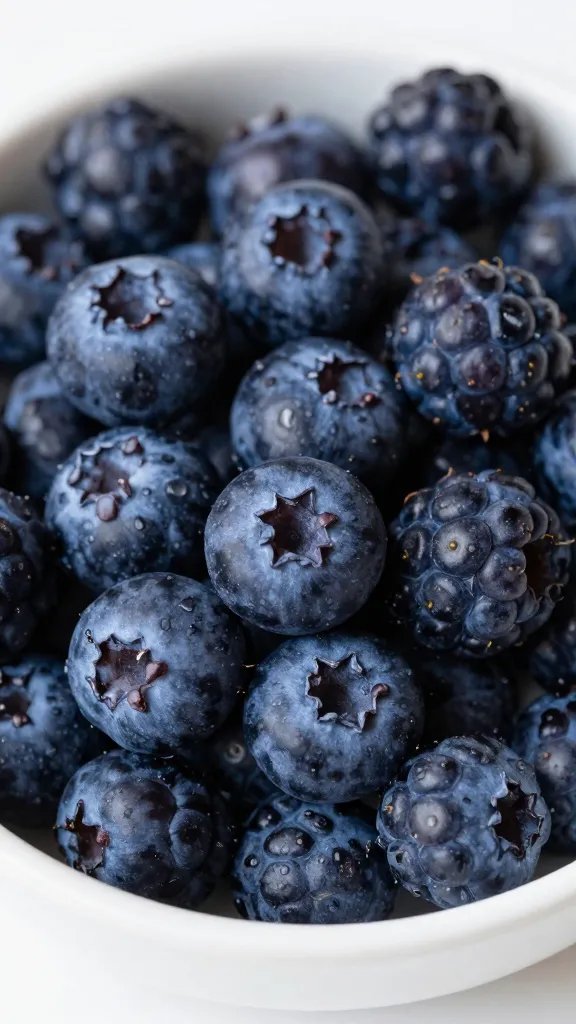
Friends, family, office “treat tables”—they nudge you to eat “just a little more.” And yeah, grandma will side-eye your salad.
Spot it: You eat more around certain people or at restaurants.
Fix it: Plan simple, low-drama moves:
- Decide your portions before you show up
- Start with protein + veggies, then add the extras
- Use the 2-plate rule: one plate for dinner, one for dessert or apps—done
- Practice scripts: “Looks amazing, I’m good for now” or “I’ll split one”
Quick Check-In
Ask: Will this taste amazing? Is it worth it? If yes, enjoy it slowly. If not, skip without FOMO.
FAQ
How do I know if I’m physically hungry or just craving?
Physical hunger builds gradually and shows up with stomach cues, low energy, and openness to multiple foods. Cravings hit fast, feel urgent, and want something specific. Try the apple test: if an apple sounds good, you’re probably hungry. If only brownies will do, that’s a craving.
What if I overeat at night every single time?
Front-load your day with protein and fiber, eat a real lunch, and add a balanced afternoon snack. Night overeating often traces back to under-eating earlier. Create a simple evening routine—tea, a short walk, screens off 30 minutes before bed—to break the stress-snack loop.
Do I have to give up my favorite snacks?
Nope. Bans backfire. Keep them, just build guardrails: smaller portions, pair with protein or fiber, and enjoy them distraction-free so you actually taste them.
How can I stop eating when the food still tastes good?
Pre-portion before you start, and plate it. Eat slowly and check in at the halfway mark. If you still want more after five minutes, take a little more intentionally instead of free-pouring from the bag.
Are “healthy” snacks always better?
Not automatically. “Healthy” can still be calorie-dense. Scan for protein and fiber, and pick options you actually like. If it doesn’t satisfy you, you’ll just go hunting for round two.
Quick Recipe Ideas + Estimated Nutrition
Serving sizes noted below are estimates based on typical portions. Nutrition values use standard USDA data and are per serving. Net carbs = total carbs − fiber. These are estimates and will vary with brands and exact amounts.
1) Greek Yogurt Parfait with Berries and Almonds
Serving size: 1 bowl (3/4 cup plain nonfat Greek yogurt, 1/2 cup mixed berries, 1 tablespoon sliced almonds, 1 teaspoon honey)
- Calories: ~190
- Total Fat: ~4 g
- Total Carbohydrates: ~25 g
- Dietary Fiber: ~4 g
- Net Carbs: ~21 g
- Protein: ~17 g
2) Veggie and Hummus Snack Plate
Serving size: 1 plate (1/2 cup hummus, 1 cup cucumber slices, 1 cup bell pepper strips)
- Calories: ~260
- Total Fat: ~13 g
- Total Carbohydrates: ~28 g
- Dietary Fiber: ~9 g
- Net Carbs: ~19 g
- Protein: ~10 g
3) Protein-Packed Breakfast Scramble
Serving size: 1 plate (2 large eggs, 1/2 cup egg whites, 1 cup spinach, 1/4 cup diced tomatoes, 1 teaspoon olive oil)
- Calories: ~250
- Total Fat: ~16 g
- Total Carbohydrates: ~5 g
- Dietary Fiber: ~2 g
- Net Carbs: ~3 g
- Protein: ~24 g
4) High-Fiber Bean and Salsa Bowl
Serving size: 1 bowl (3/4 cup black beans, 1/2 cup corn, 1/2 cup salsa, 1/2 avocado)
- Calories: ~430
- Total Fat: ~22 g
- Total Carbohydrates: ~50 g
- Dietary Fiber: ~18 g
- Net Carbs: ~32 g
- Protein: ~13 g
5) Dark Chocolate Almond Fix
Serving size: 1 small bowl (1/2 oz 70% dark chocolate, 1 oz dry-roasted almonds)
- Calories: ~250
- Total Fat: ~20 g
- Total Carbohydrates: ~15 g
- Dietary Fiber: ~6 g
- Net Carbs: ~9 g
- Protein: ~7 g
Disclaimer: Nutrition values are estimates for general guidance and can vary based on brands, preparation methods, and exact quantities.
Bottom Line
Overeating doesn’t mean you “lack willpower.” It means your environment, emotions, habits, and food design work a little too well. Tweak your setup, front-load protein and fiber, and swap routines instead of white-knuckling them. Small, boring changes—done consistently—beat heroic diets every time. FYI, you’ve got this.