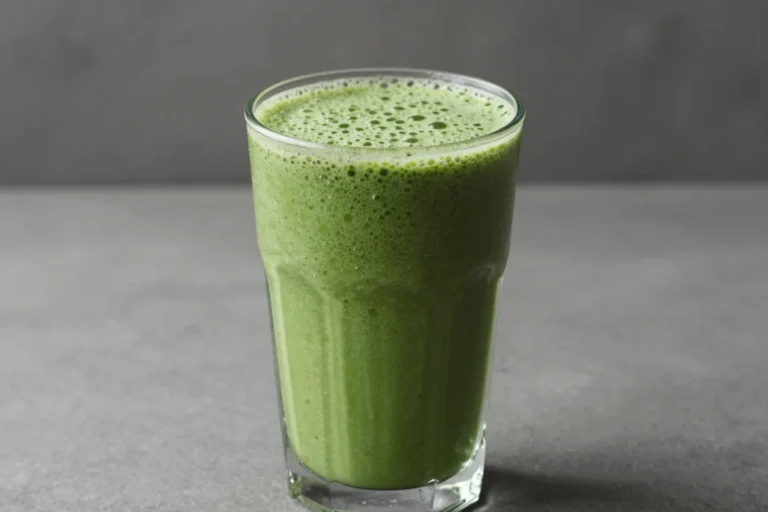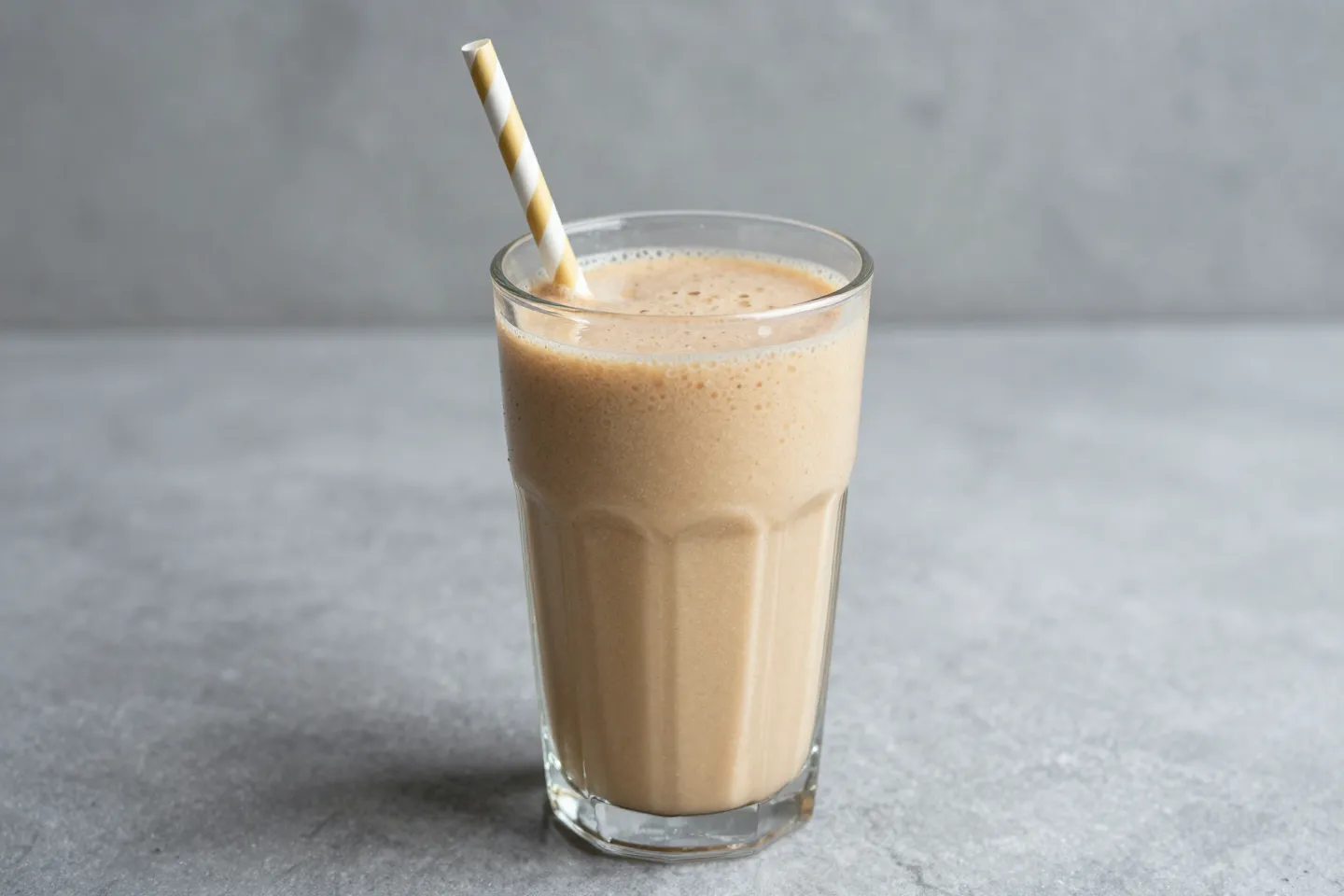
Inflammation-Fighting Detox Smoothie
You want less inflammation, more energy, and a smoothie that doesn’t taste like lawn clippings? You’re in the right place. An inflammation-fighting detox smoothie can help calm your system, support digestion, and still taste like something you’d actually drink on purpose. I’ll show you why it works, how to build it, and how to tweak it without turning your blender into a crime scene. Ready to sip smarter?
FREE 7-Day Easy Dinner Reset
Get 7 healthy, family-friendly dinners complete with recipes and simple meal plans delivered straight to your inbox.
Why go for an inflammation-fighting smoothie?
Chronic inflammation can make you feel puffy, tired, and achy. The right blend of anti-inflammatory foods can help your body chill out and recover. Smoothies make it easy because you throw everything in one place and press a button. Zero culinary skills required.
Also, when you drink nutrients in a blended form, you get the fiber, phytochemicals, and hydration all at once. That combo keeps your gut happy and your blood sugar steadier. FYI, we love stable energy.
The anti-inflammatory MVPs
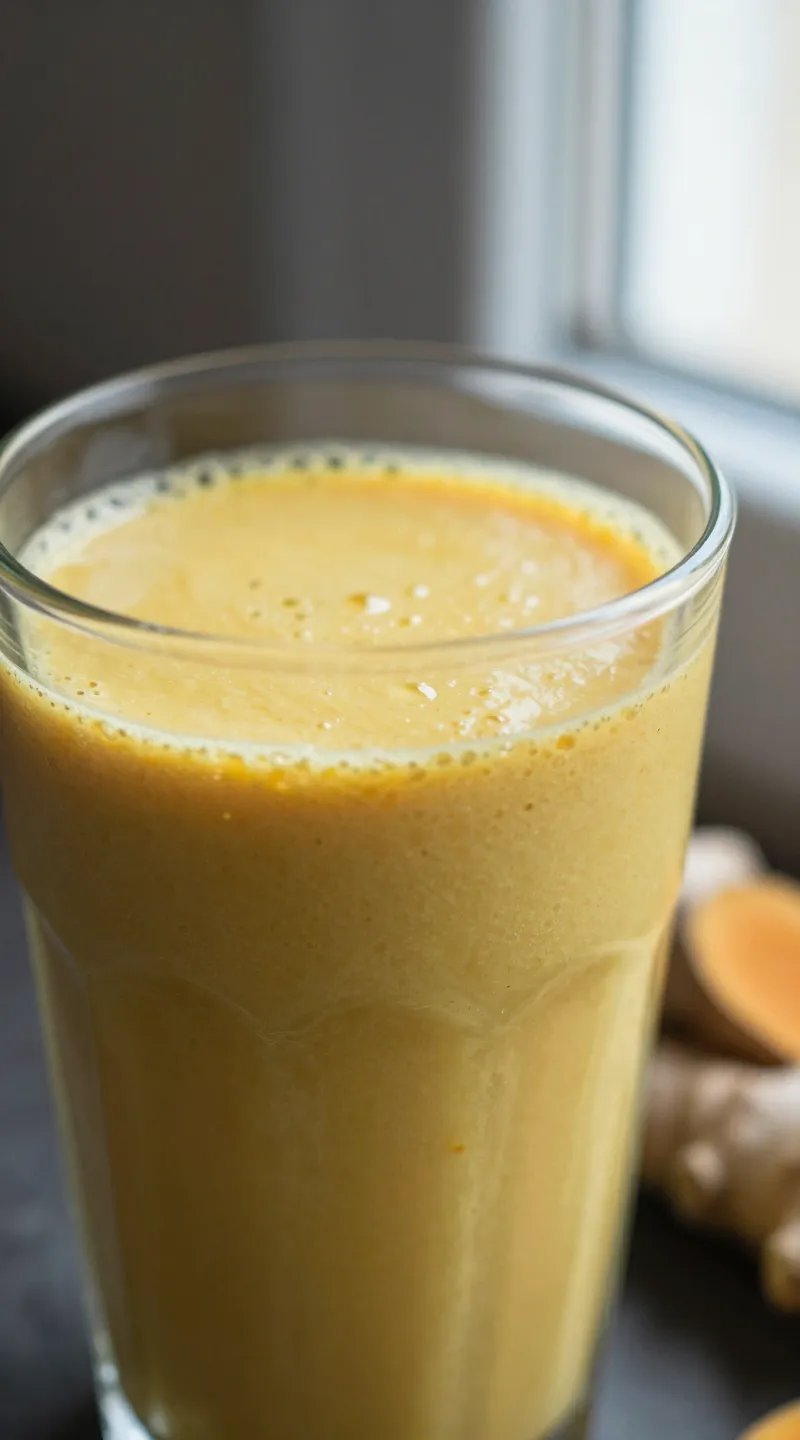
Let’s talk ingredients that do the heavy lifting. These foods pack antioxidants, polyphenols, and healthy fats that help put out the metaphorical fires.
- Leafy greens: Spinach or kale bring vitamins A, C, K, and magnesium. They taste mild in smoothies and don’t hijack the flavor.
- Berries: Blueberries, raspberries, or strawberries deliver anthocyanins that help combat oxidative stress.
- Ginger and turmeric: Big-league anti-inflammatory power. Fresh or ground both work. Just don’t overdo turmeric unless you want a neon-yellow countertop forever.
- Healthy fats: Avocado, chia seeds, flaxseed, or almond butter add omega-3s and help absorb fat-soluble nutrients.
- Citrus: Lemon or orange brightens flavor and adds vitamin C for extra antioxidant support.
- Hydrators: Coconut water, green tea, or plain water keep it light. Unsweetened plant milk works if you want it creamier.
Bonus add-ins that actually do something
- Black pepper: Enhances turmeric’s curcumin absorption. A tiny pinch. Don’t sneeze.
- Greek yogurt or kefir: Adds protein and probiotics for gut support.
- Cinnamon: Helps with blood sugar control and tastes like dessert’s responsible cousin.
- Parsley or cilantro: Fresh, bright herbs that bring polyphenols and a clean finish.
The core recipe (that doesn’t taste like punishment)
Here’s a solid starting point. It hits flavor, texture, and function. Tweak as needed.
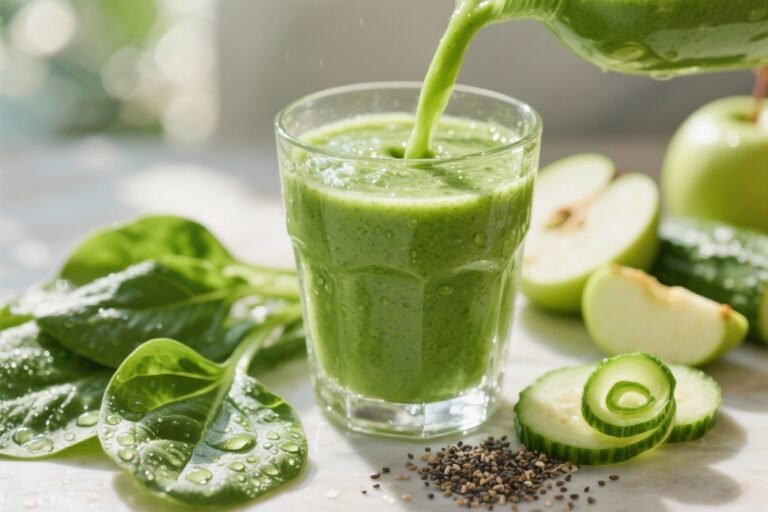
- 1 cup spinach (or half spinach, half kale)
- 1 cup frozen blueberries (or mixed berries)
- 1/2 small avocado
- 1 teaspoon freshly grated ginger
- 1/2 teaspoon ground turmeric (or 1-inch knob fresh)
- Pinch of black pepper
- 1 tablespoon chia seeds or ground flaxseed
- 1/2 lemon, juiced
- 1 cup coconut water (or water/unsweetened almond milk)
- Optional: 1/2 frozen banana for sweetness, 1 scoop plain protein powder
Blend until silky. Add more liquid if your blender protests. Taste and adjust for brightness (lemon), sweetness (banana), or spice (ginger). Done.
What it does for you
– Blueberries + greens: Antioxidants to combat cell stress.
– Turmeric + black pepper: Curcumin support with better absorption.
– Chia/flax: Plant-based omega-3s to help regulate inflammation.
– Avocado: Creaminess plus monounsaturated fats for nutrient absorption.
– Lemon: Vitamin C to support collagen and immunity, and it brightens the whole flavor profile.
Customize without wrecking the benefits
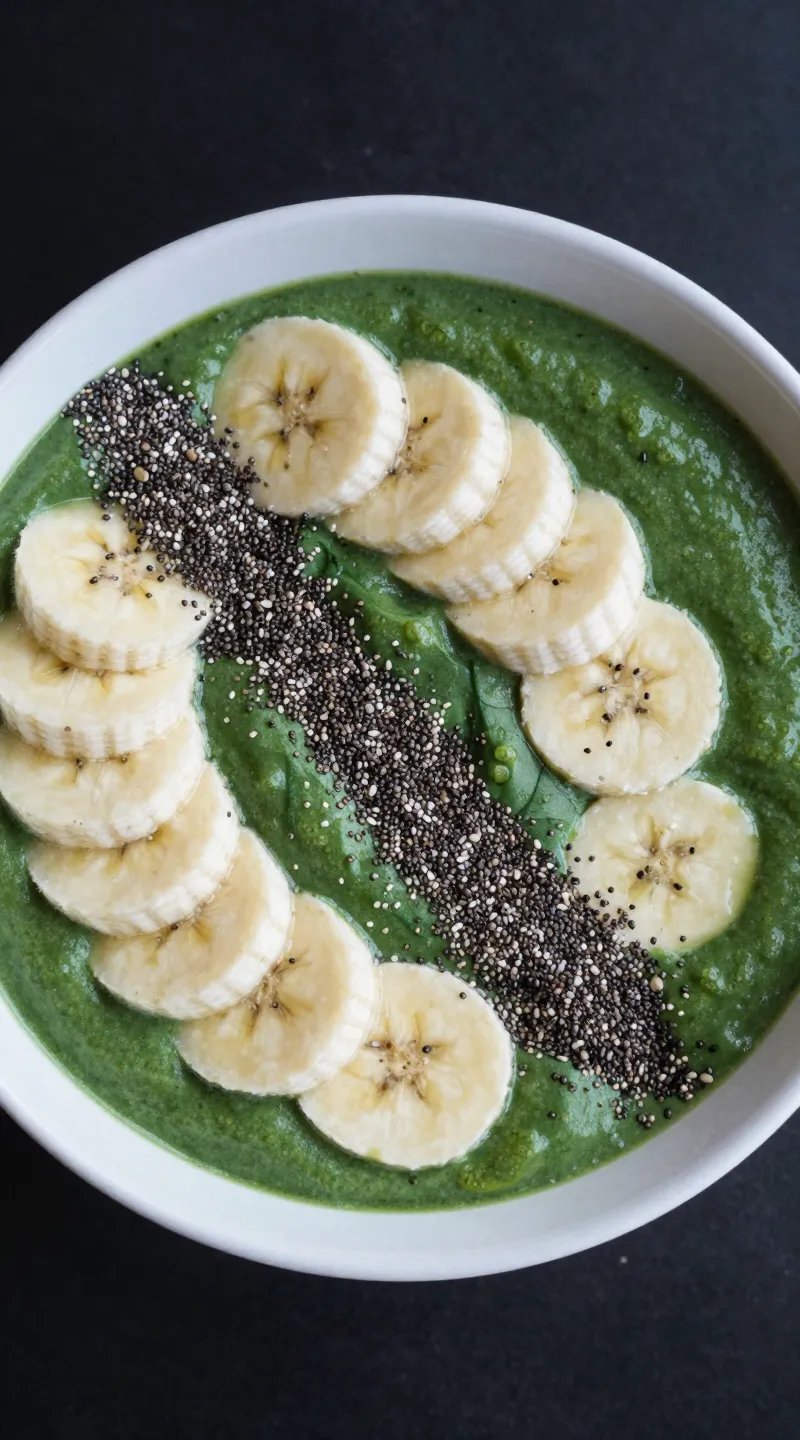
You can keep the anti-inflammatory theme and still make it fit your preferences. Here’s how.
If you like it sweeter
– Add 1/2 banana or 2–3 pitted dates.
– Use mango instead of berries for a tropical vibe.
– Keep portions reasonable so you don’t turn it into a sugar bomb, IMO.
If you want more protein
– Add 3/4 cup Greek yogurt or kefir.
– Use a clean protein powder (pea, whey, or hemp).
– Throw in silken tofu for extra creaminess and protein.
If your digestion needs TLC
– Use ginger generously and keep it cold (frozen berries help reduce bloat).
– Choose water or coconut water over milk if dairy bothers you.
– Add a tablespoon of psyllium husk if you need a fiber boost, but start small.
Timing and portions: when and how much?
You don’t need to chug a smoothie at sunrise while journaling about your intentions (unless that’s your thing). Drink it when it supports your day.
- Morning: Great as breakfast, especially with protein for satiety.
- Pre-workout: Go light and skip heavy fats if you plan to move soon after.
- Afternoon slump: Half-portion as a pick-me-up beats vending machine mystery snacks.
Never Wonder What's For Dinner Again
Get 7 healthy, family-friendly dinners complete with recipes, grocery lists, and simple meal plans delivered straight to your inbox.
Portion-wise, a 12–16 oz smoothie usually hits the sweet spot. Bigger doesn’t mean better; it often means “I’m full and now napping.”
Common pitfalls (and easy fixes)
Even good intentions can produce a swampy disaster. Let’s avoid that fate.
- It tastes bitter: Swap kale for spinach, add lemon, or include 1/2 banana.
- It’s too thick: Add more liquid gradually, or use fresh fruit instead of frozen.
- It’s not filling: Add protein powder, yogurt, or bump the seeds to 2 tablespoons.
- Weird aftertaste: Too much turmeric. Pull it back to 1/4–1/2 teaspoon and keep the pepper tiny.
Texture hacks
– Blend greens with liquid first for a smoother base.
– Add ice last for a frosty finish.
– Use frozen berries to avoid a watery mess.
Make-ahead tips that don’t sacrifice freshness
You can prep this without sacrificing nutrients or flavor. Promise.
- Freezer packs: Portion berries, greens, ginger, and banana in bags. In the morning, dump in the blender with liquid and fats. Done in 60 seconds.
- Fridge life: Blend and refrigerate up to 24 hours in a sealed jar. Shake before drinking. Fresh tastes best, but next-day still works.
- Prevent separation: Add chia or flax; they thicken and keep the texture cohesive.
FAQ
Will this actually reduce inflammation?
It can help as part of an overall pattern. You’ll get antioxidants, fiber, and healthy fats that support your body’s anti-inflammatory pathways. One smoothie won’t erase a week of poor sleep and stress, but it’s a strong daily habit with real benefits.
Can I drink it every day?
Yes, if you vary the ingredients. Rotate greens (spinach today, romaine tomorrow), switch berries, and alternate seeds. Variety reduces the chance of any nutrient imbalance and keeps you from getting bored. IMO, boredom kills consistency faster than anything.
Do I need fresh turmeric and ginger?
Fresh tastes brighter and brings extra zing, but ground works fine. Use 1/2 teaspoon ground turmeric and 1/4 teaspoon ground ginger if you don’t have fresh. Always add a pinch of black pepper with turmeric for better absorption.
What if I’m watching my carbs?
Use fewer fruits and lean into greens, cucumber, avocado, and unsweetened almond milk. Add protein powder to keep you full. Blueberries in moderation still fit nicely.
Can kids drink this?
Absolutely. Start with milder flavors and a bit more fruit. Skip heavy spice for younger palates, then dial it up over time. Pro tip: call it a “blue smoothie” and don’t mention the spinach.
Is this better than a juice?
For most people, yes. Smoothies keep the fiber, which helps your gut and slows sugar absorption. Juice can be tasty, but it can spike blood sugar and won’t keep you full as long.
Conclusion
You don’t need a 14-day cleanse or a spreadsheet to fight inflammation. You need a blender, a few powerhouse ingredients, and a recipe that doesn’t taste like regret. Build the base, tweak the flavor, and make it a habit that feels easy. Your body gets calmer, your energy climbs, and your taste buds don’t revolt—win, win, and win.
Loved This Recipe?
If you're looking for more simple, healthy dinners your family will actually eat, grab my FREE 7-Day Easy Dinner Reset. You'll get 7 easy dinner recipes, simple grocery lists, and a done-for-you plan that takes the stress out of mealtime.