Balsamic Chicken Skillet
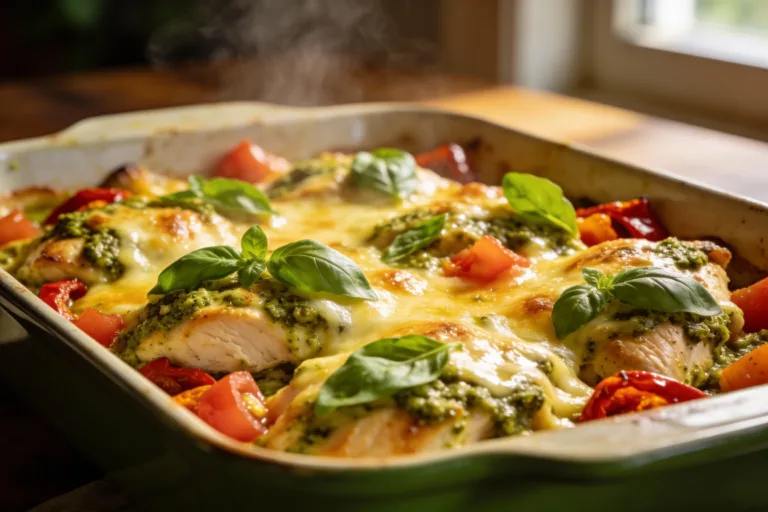
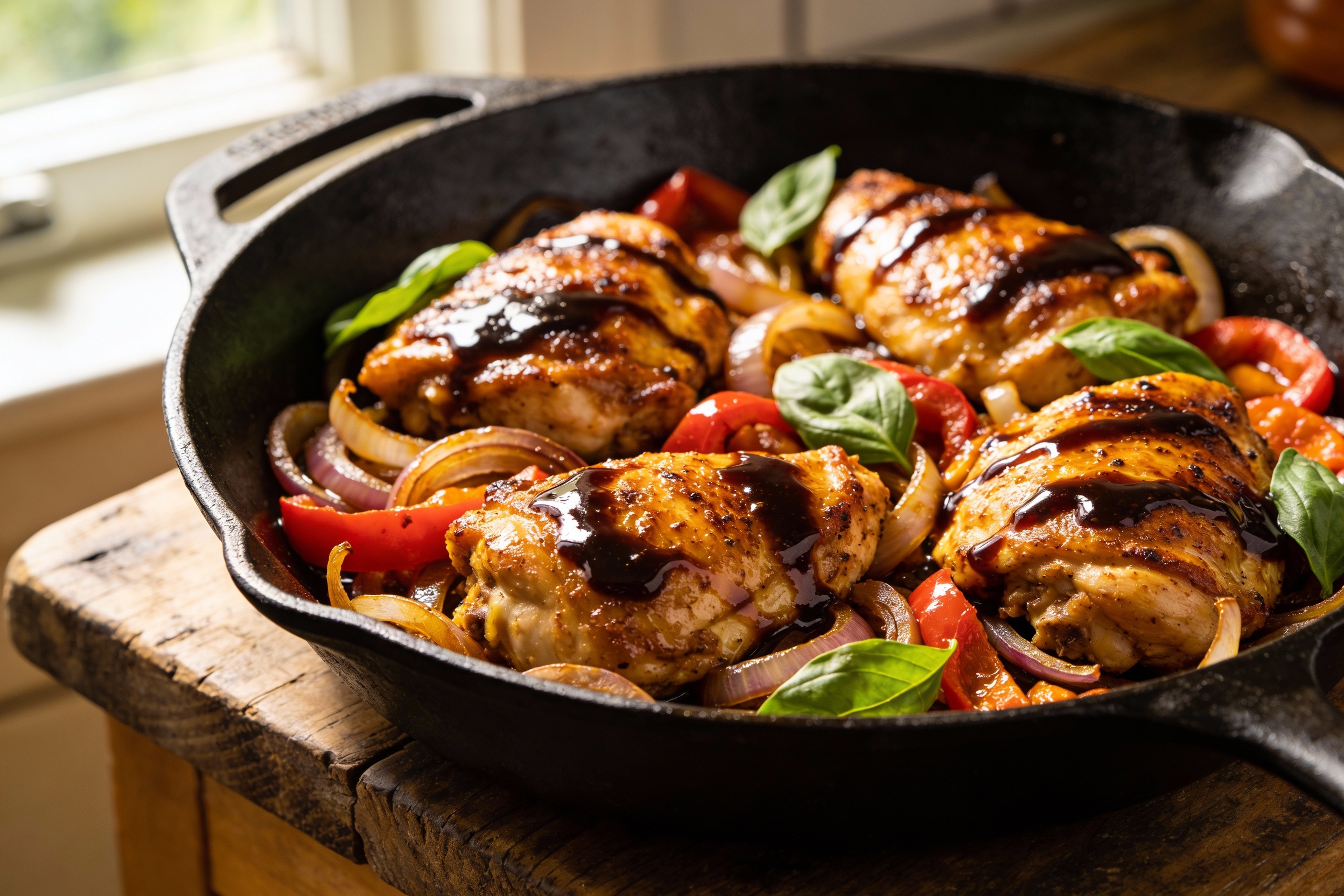
Balsamic chicken skillet hits that sweet spot: big flavor, minimal fuss, and only one pan to clean. You get juicy chicken, tangy glaze, and a pile of veggies that basically cook themselves while you scroll. It’s weeknight dinner hero material, but it still feels fancy enough for guests. Want a dish that makes you look like you tried hard without actually trying? Here you go.
FREE 7-Day Easy Dinner Reset
Get 7 healthy, family-friendly dinners complete with recipes and simple meal plans delivered straight to your inbox.
Why This Skillet Slaps
You get the holy trinity: speed, flavor, and cleanup sanity. That’s the entire pitch. The balsamic reduction turns glossy and sweet-savory, the chicken picks up gorgeous browning, and the veggies soak in all that goodness.
Also, you can riff on it endlessly. Chicken thighs? Breasts? A mix? All fair game. Add mushrooms, cherry tomatoes, or green beans. You really can’t mess this up unless you walk away and binge an entire episode mid-sear. Don’t do that.
The Cast: Simple Ingredients, Big Payoff

Here’s what I grab for a solid, classic version. Feel free to substitute like a pro.
- Chicken: 1.5–2 pounds boneless, skinless thighs (or breasts pounded to even thickness)
- Balsamic vinegar: 1/3 cup, good but not precious
- Chicken broth: 1/2 cup (or water with a pinch of bouillon)
- Honey or brown sugar: 1–2 tablespoons for balance
- Dijon mustard: 1 tablespoon for tang and body
- Garlic: 3–4 cloves, minced
- Cherry tomatoes: 1 pint, halved
- Red onion: 1 small, sliced
- Fresh herbs: Thyme or rosemary, plus basil for garnish
- Olive oil + butter: A tablespoon of each
- Salt & pepper: Be generous, your future self will thank you
Optional extras: mushrooms, capers, spinach, olives, or a splash of cream at the end if you want it silky.
How to Make It (No Drama)
Follow this flow and dinner lands in 30-ish minutes. You got this.
- Season and sear the chicken. Pat the chicken dry. Salt and pepper both sides like you mean it. Heat olive oil in a large skillet over medium-high. Add chicken and sear 4–5 minutes per side until browned. Remove to a plate.
- Sauté the aromatics. Drop heat to medium. Add butter, onion, and a pinch of salt. Cook 3 minutes until softened. Stir in garlic for 30 seconds. Don’t burn it—we’re going for fragrant, not bitter.
- Deglaze and build the sauce. Pour in balsamic and scrape up browned bits. Add broth, honey, Dijon, and herbs. Stir. Let it bubble for 2–3 minutes to reduce slightly.
- Add the veggies. Toss in cherry tomatoes (and any quick-cooking extras like spinach later). Simmer 2 minutes.
- Finish the chicken in the sauce. Nestle chicken back in. Simmer 5–8 minutes until cooked through and the sauce turns glossy. Add a splash of water if it gets too thick, or a tiny knob of butter to finish if you’re feeling fancy.
- Taste and serve. Adjust salt, crack black pepper, shower with chopped basil. Done.
Pro Tips for Searing Like a Boss
- Pat dry. Moisture kills browning. Paper towels are your friend.
- Don’t overcrowd. Work in batches if needed. Steam = sadness.
- Let it release naturally. If the chicken sticks, it isn’t ready to flip yet. Give it another 30–60 seconds.
Flavor Moves and Swaps

Want to customize? Here’s where you can play.
- Thighs vs. breasts: Thighs stay juicier with less stress. If using breasts, pound to even thickness and pull them early to avoid overcooking.
- Sweetness level: Balsamic varies. Taste your glaze and adjust honey by a teaspoon. You want balanced tang, not dessert.
- Herb vibes: Thyme = woodsy, rosemary = bold, basil = bright. Use what you love.
- Veggie add-ins: Mushrooms sautéed with the onions add meaty depth. Spinach stirs in at the end. Green beans can go in with the chicken to braise a bit.
- Creamy route: Stir in 2–3 tablespoons of cream at the very end for a lush finish. IMO, it slaps with mushrooms.
Pan Choices
- Cast iron: Epic sear, steady heat, slightly faster reduction.
- Stainless: Great fond, easy to deglaze, watch the heat.
- Nonstick: Lower sear power but lower stress. Still works.
What to Serve It With
You can throw this over pretty much anything and win dinner.
- Starches: Garlic mashed potatoes, creamy polenta, buttered orzo, rice, or crusty bread for sauce swiping.
- Greens: Arugula salad with lemon and parmesan, roasted broccolini, or a simple side of green beans.
- Wine pairing: Light reds (Pinot Noir) or a fuller white (Chardonnay). FYI, balsamic can bully super delicate wines.
Make-Ahead, Leftovers, and Meal Prep

You can absolutely meal prep this without it turning sad and dry.
Never Wonder What's For Dinner Again
Get 7 healthy, family-friendly dinners complete with recipes, grocery lists, and simple meal plans delivered straight to your inbox.
- Make-ahead: Cook the chicken to just shy of done, store separately from the sauce and veggies, then finish together when reheating.
- Leftovers: Keep in an airtight container for 3–4 days. The sauce gets even better on day two.
- Reheating: Warm gently in a skillet over low with a splash of water or broth to loosen the glaze. Microwave works too—cover and go in short bursts.
- Freezing: Freeze the chicken and sauce (skip tomatoes) for up to 3 months. Add fresh tomatoes when reheating.
Batch Cooking Tips
- Double the sauce, always. Future you will never complain about extra glaze.
- Cook chicken in batches to keep the sear legit; combine everything in a larger pot to finish.
Troubleshooting (Because Stuff Happens)
Not perfect on the first try? Here’s how to fix it on the fly.
- Sauce too sharp? Add 1–2 teaspoons honey or a splash of broth. Simmer 1 minute and taste again.
- Sauce too thick? Water or broth, one tablespoon at a time.
- Chicken dry? Slice it and simmer briefly in the sauce to rehydrate. Next time, pull it earlier; residual heat finishes the job.
- Not enough browning? Heat wasn’t high enough or pan was crowded. Sear in two rounds.
FAQ
Can I use bone-in chicken?
Yes, but adjust timing. Sear bone-in thighs skin-side down until well browned, then simmer in the sauce covered for 12–15 minutes, flipping halfway. Check doneness near the bone. Worth it for flavor, IMO.
Is balsamic glaze the same as balsamic vinegar?
Nope. Glaze is pre-reduced and sweetened. You can use it in a pinch, but reduce the honey and add a splash of water or broth so the sauce doesn’t get cloying. Taste as you go.
How do I keep the garlic from burning?
Add it after the onions soften and drop the heat slightly. Stir constantly for 30 seconds, then hit the pan with balsamic to cool things down. Burnt garlic = bitter city, and we’re not moving there.
Can I make this dairy-free?
Totally. Skip the butter, use all olive oil, and avoid finishing with cream. The sauce still turns glossy thanks to the reduction and Dijon. No one will miss the dairy.
What vegetables work best?
Tomatoes, mushrooms, onions, spinach, and green beans all vibe with balsamic. Denser veggies like carrots need a head start—par-cook or slice thin. Zucchini works if you add it late so it doesn’t go mushy.
How do I know when the sauce has reduced enough?
Drag a spoon through it. If it leaves a quick trail and coats the back of the spoon, you’re good. It should look shiny and clingy, not watery or syrup-thick.
Final Thoughts
Balsamic chicken skillet gives you restaurant energy with weeknight effort. You get big, punchy flavor from a handful of pantry staples and one pan—no culinary acrobatics required. Keep the technique simple, tweak the sweetness to taste, and don’t skip the sear. Then grab a fork, some bread, and pretend you planned this all week. FYI: seconds happen fast.
Loved This Recipe?
If you're looking for more simple, healthy dinners your family will actually eat, grab my FREE 7-Day Easy Dinner Reset. You'll get 7 easy dinner recipes, simple grocery lists, and a done-for-you plan that takes the stress out of mealtime.