Keto Lemon Cookies – Bright, Zesty, and Low-Carb
Lemon desserts have a special way of lifting the mood. These keto lemon cookies bring that sunny flavor without the sugar crash. They’re soft in the center, lightly crisp on the edges, and filled with fresh lemon zest and juice.
FREE 7-Day Easy Dinner Reset
Get 7 healthy, family-friendly dinners complete with recipes and simple meal plans delivered straight to your inbox.
Best of all, they’re simple to make and use pantry-friendly keto staples. Whether you’re new to low-carb baking or a seasoned pro, this recipe is a keeper.

Ingredients
Method
- Prep your oven and pan. Preheat to 350°F (175°C). Line a baking sheet with parchment paper or a silicone mat to prevent sticking.
- Zest and juice the lemons. Finely grate the zest before juicing. You’ll need about 1–2 teaspoons of zest and 1–2 tablespoons of juice. Fresh is key to bright flavor.
- Cream the butter and sweetener. In a bowl, beat softened butter with granulated keto sweetener until light and fluffy, 1–2 minutes. This step adds air for a softer cookie.
- Add the egg and flavorings. Beat in the egg, lemon zest, lemon juice, vanilla, and a drop of almond extract if using. Mix until smooth. Don’t worry if it looks slightly curdled—the dry ingredients will bring it together.
- Combine dry ingredients. In a separate bowl, whisk almond flour, coconut flour, baking powder, salt, and a pinch (about 1/4 teaspoon) of xanthan gum. Break up any clumps.
- Make the dough. Add the dry mixture to the wet. Stir until a soft dough forms. It should feel scoopable and slightly tacky, not runny. If it’s too loose, sprinkle in 1–2 teaspoons more almond flour.
- Chill briefly. Let the dough rest in the fridge for 10–15 minutes. This helps hydrate the coconut flour and prevents overspreading.
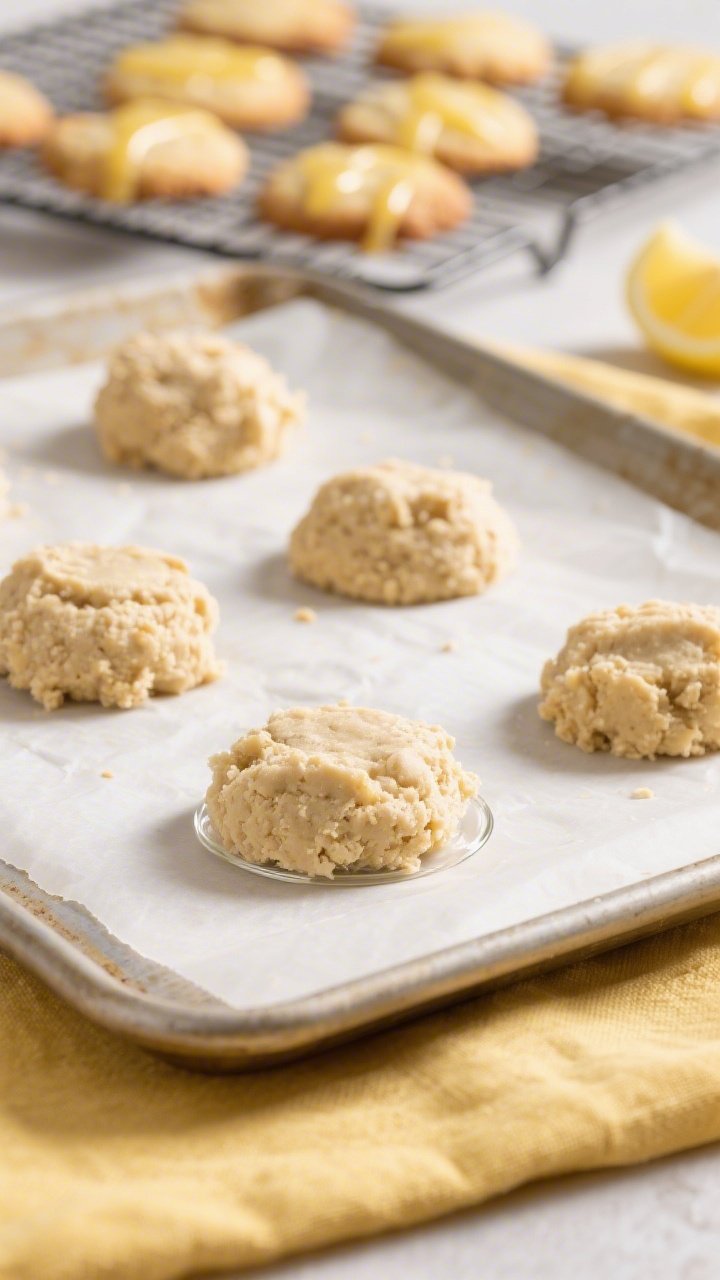
- Portion and shape. Scoop tablespoon-sized mounds onto the lined sheet, spacing them 2 inches apart. Lightly flatten each mound with your fingers or the bottom of a glass for even baking.
- Bake. Bake for 9–12 minutes, until the edges are just turning golden and centers look set. Do not overbake; they firm up as they cool.
- Cool completely. Let the cookies cool on the sheet for 10 minutes, then transfer to a rack. Keto cookies are fragile when hot, so patience pays off.
- Optional lemon glaze. Mix powdered keto sweetener with a small splash of cream or almond milk and a few drops of lemon juice until pourable. Drizzle over cooled cookies. For extra zing, add a pinch of zest on top.
Why This Recipe Works
Classic lemon cookies rely on sugar and flour for structure and sweetness. This version swaps those out without losing texture or flavor.
Almond flour creates a tender, shortbread-like base that holds moisture well. A touch of coconut flour adds structure so the cookies don’t spread too much. Erythritol or allulose brings sweetness without spiking blood sugar, while real lemon zest and juice make the flavor pop.
We also use an egg and softened butter to bind and enrich the dough.
A small amount of xanthan gum helps mimic the chew you’d get from gluten. The result is a cookie that’s balanced, zesty, and satisfying—no gritty mouthfeel or artificial aftertaste.
Shopping List
- Almond flour (blanched, finely ground)
- Coconut flour
- Unsalted butter (softened)
- Granulated keto sweetener (erythritol, xylitol, or allulose; monk fruit blends also work)
- Egg (room temperature)
- Lemon zest (from 1–2 fresh lemons)
- Lemon juice (freshly squeezed)
- Vanilla extract
- Almond extract (optional, adds bakery-style depth)
- Baking powder (aluminum-free)
- Salt
- Xanthan gum (optional, for better structure)
- Powdered keto sweetener (for lemon glaze, optional)
- Cream or almond milk (tiny splash for glaze, optional)
How to Make It

- Prep your oven and pan. Preheat to 350°F (175°C). Line a baking sheet with parchment paper or a silicone mat to prevent sticking.
- Zest and juice the lemons. Finely grate the zest before juicing.
You’ll need about 1–2 teaspoons of zest and 1–2 tablespoons of juice. Fresh is key to bright flavor.
- Cream the butter and sweetener. In a bowl, beat softened butter with granulated keto sweetener until light and fluffy, 1–2 minutes. This step adds air for a softer cookie.
- Add the egg and flavorings. Beat in the egg, lemon zest, lemon juice, vanilla, and a drop of almond extract if using.
Mix until smooth. Don’t worry if it looks slightly curdled—the dry ingredients will bring it together.
- Combine dry ingredients. In a separate bowl, whisk almond flour, coconut flour, baking powder, salt, and a pinch (about 1/4 teaspoon) of xanthan gum. Break up any clumps.
- Make the dough. Add the dry mixture to the wet.
Stir until a soft dough forms. It should feel scoopable and slightly tacky, not runny. If it’s too loose, sprinkle in 1–2 teaspoons more almond flour.
- Chill briefly. Let the dough rest in the fridge for 10–15 minutes.
This helps hydrate the coconut flour and prevents overspreading.
- Portion and shape. Scoop tablespoon-sized mounds onto the lined sheet, spacing them 2 inches apart. Lightly flatten each mound with your fingers or the bottom of a glass for even baking.
- Bake. Bake for 9–12 minutes, until the edges are just turning golden and centers look set. Do not overbake; they firm up as they cool.
- Cool completely. Let the cookies cool on the sheet for 10 minutes, then transfer to a rack.
Keto cookies are fragile when hot, so patience pays off.
- Optional lemon glaze. Mix powdered keto sweetener with a small splash of cream or almond milk and a few drops of lemon juice until pourable. Drizzle over cooled cookies. For extra zing, add a pinch of zest on top.
Keeping It Fresh
Store the cookies in an airtight container at room temperature for up to 3 days.
For longer storage, refrigerate them for up to a week. The chill helps the flavors meld and keeps the texture tender.
To freeze: Place cookies in a single layer on a tray to freeze, then move them to a freezer bag for up to 2 months. Thaw at room temperature.
If glazed, separate layers with parchment to prevent sticking.
Health Benefits
- Low in net carbs: Almond and coconut flours keep carbs in check, making these cookies friendly for keto and low-carb lifestyles.
- No refined sugar: Using erythritol, monk fruit, or allulose means sweetness without blood sugar spikes.
- Healthy fats: Almond flour and butter provide satiating fats that help curb cravings and support steady energy.
- Lemon perks: Fresh lemon adds vitamin C and bright flavor without extra carbs or artificial ingredients.
- Gluten-free: Naturally grain-free and gluten-free for those with sensitivities.
Pitfalls to Watch Out For
- Overbaking: Keto cookies can dry out fast. Pull them when edges just turn golden and centers look set.
- Skipping the chill: A short rest helps the dough firm up. Without it, cookies may spread too much.
- Too much lemon juice: It can thin the dough and make cookies cakey.
Keep to 1–2 tablespoons and rely on zest for big flavor.
- Using coarse almond meal: This leads to grainy texture. Choose fine, blanched almond flour.
- Sweetener swaps: Allulose browns more and can make cookies softer; erythritol stays crisper but can cool on the tongue. Adjust bake time accordingly.
Variations You Can Try
Never Wonder What's For Dinner Again
Get 7 healthy, family-friendly dinners complete with recipes, grocery lists, and simple meal plans delivered straight to your inbox.
- Lemon Poppy Seed: Add 1–2 teaspoons poppy seeds for bakery-style crunch.
- Lemon Coconut: Fold in 2 tablespoons unsweetened shredded coconut.
Toast lightly for extra flavor.
- Lemon Blueberry: Gently press a few fresh blueberries into each portion before baking. Expect a softer cookie and a little extra moisture.
- Lemon Cream Cheese: Beat 2 ounces softened cream cheese into the butter for a tangy, richer cookie. Extend the chill by 10 minutes.
- Glazed Lemon Sandwiches: Spread a thin layer of lemon cream (cream cheese + powdered sweetener + zest) between two cookies.
- Meyer Lemon Twist: Use Meyer lemons for a sweeter, floral flavor with less sharpness.
FAQ
How many carbs are in these keto lemon cookies?
Exact macros depend on your ingredients and cookie size.
As a ballpark, a standard 2-inch cookie made with almond flour and erythritol typically lands around 1.5–3 grams net carbs. For accuracy, plug your brands and measurements into a nutrition calculator.
Can I use coconut flour only?
Not recommended. Coconut flour is extremely absorbent and will make the cookies dry and crumbly on its own.
The almond flour provides moisture and tenderness, while a small amount of coconut flour adds structure. Stick to the blend for best texture.
What sweetener is best?
Erythritol blends give a crisper edge and classic cookie bite. Allulose makes a softer, chewier cookie and may brown more.
Monk fruit blends vary based on their base (often erythritol or allulose). Choose your favorite and adjust bake time slightly.
Do I have to use xanthan gum?
No, but it helps with structure and reduces crumbling. If you skip it, handle the cookies gently when warm and let them cool fully before moving.
A pinch of psyllium husk powder can be a substitute.
Can I make the dough ahead?
Yes. Chill the dough up to 48 hours, tightly covered. If it firms up too much, let it sit at room temperature for 10–15 minutes before scooping and baking.
My cookies spread too much.
What happened?
The butter may have been too warm, or the dough didn’t rest. Also check your flour: too little coconut flour or very fine almond flour can change spread. Chilling the dough and lightly flattening by hand keeps shape consistent.
How do I make them dairy-free?
Use refined coconut oil in place of butter and a splash of almond milk if needed to bring the dough together.
Refined oil has a neutral flavor and keeps the lemon front and center.
Wrapping Up
These keto lemon cookies are bright, buttery, and easy to make any day of the week. With a short ingredient list and reliable technique, you’ll get a tender cookie that satisfies without the sugar. Keep a batch on hand for coffee breaks, quick desserts, or sharing with friends who love lemon as much as you do.
One bite, and they’ll be asking for the recipe.
Printable Recipe Card
Want just the essential recipe details without scrolling through the article? Get our printable recipe card with just the ingredients and instructions.
Loved This Recipe?
If you're looking for more simple, healthy dinners your family will actually eat, grab my FREE 7-Day Easy Dinner Reset. You'll get 7 easy dinner recipes, simple grocery lists, and a done-for-you plan that takes the stress out of mealtime.