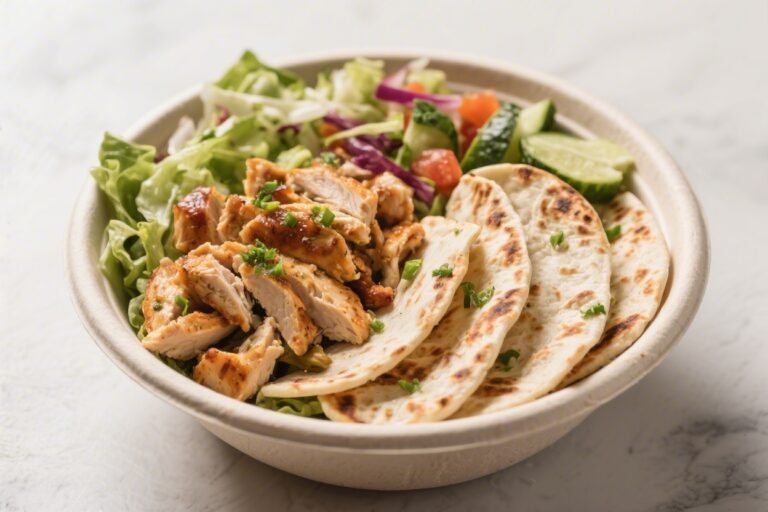
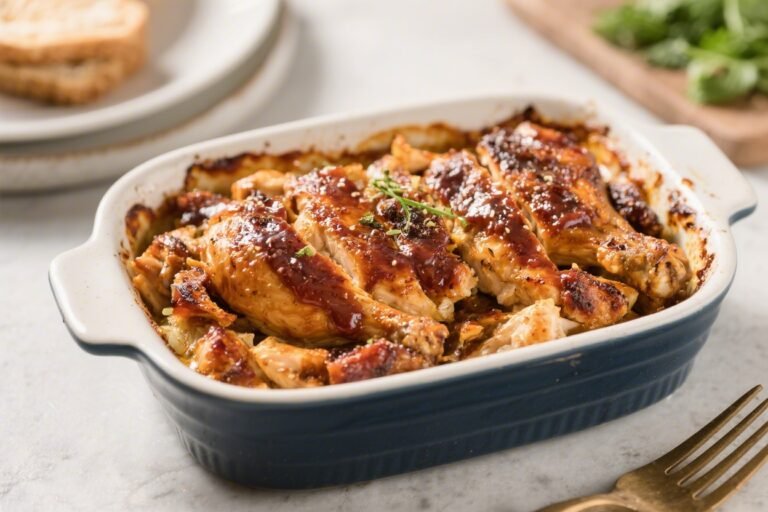
Keto Chicken Teriyaki – A Simple, Satisfying Low-Carb Favorite
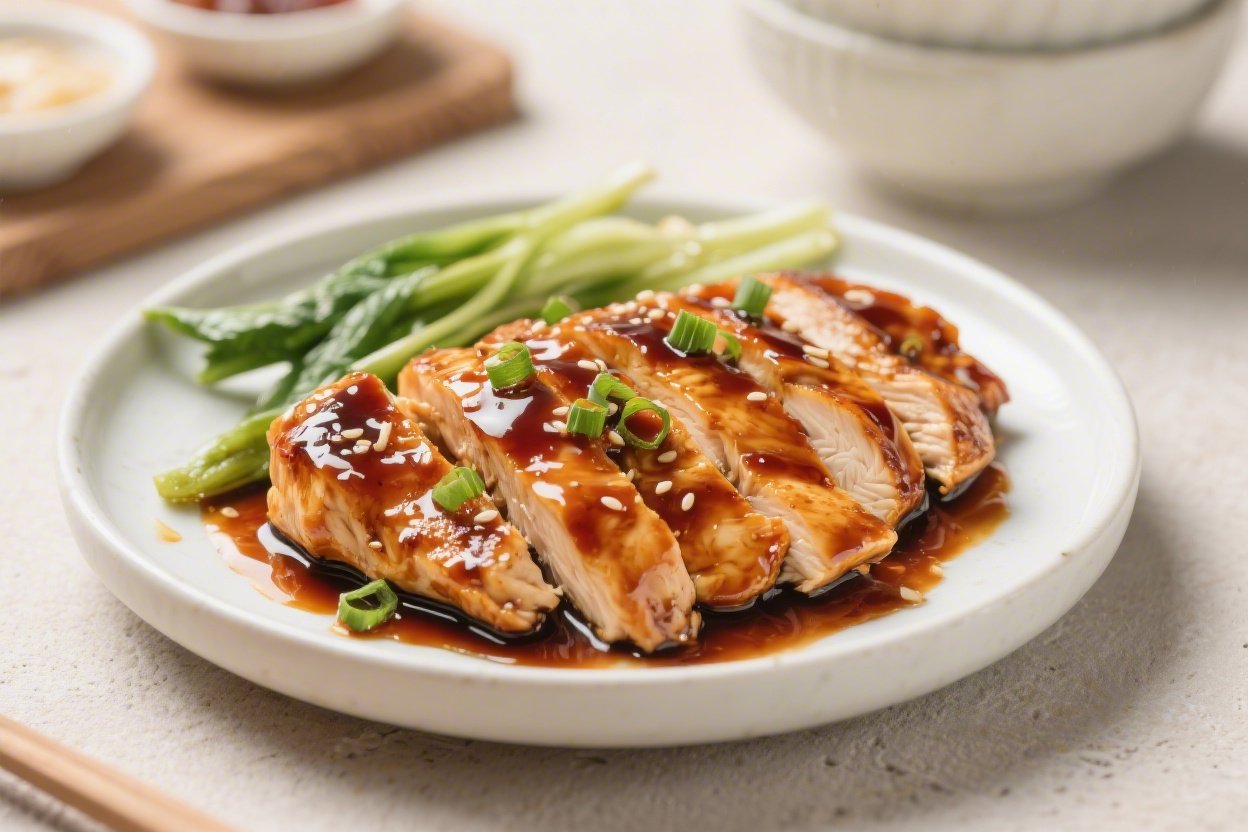
If you love takeout-style teriyaki chicken but want to keep it low-carb, this keto version hits the spot. It’s sticky, savory, slightly sweet, and full of umami—without the sugar-laden glaze. The sauce comes together with a few pantry staples and cooks down into a glossy coating that clings to juicy chicken.
FREE 7-Day Easy Dinner Reset
Get 7 healthy, family-friendly dinners complete with recipes and simple meal plans delivered straight to your inbox.
You’ll get the same comfort-food feel with clean, keto-friendly ingredients. It’s quick enough for weeknights and special enough for meal prep.
Ingredients
Method
- Prep the chicken: Pat the chicken dry and cut into 1-inch pieces. Season lightly with salt and pepper. Dry chicken browns better and helps the sauce stick.
- Make the sauce base: In a bowl, whisk 1/3 cup tamari (or 1/2 cup coconut aminos), 3 tablespoons allulose or monk fruit, 2 tablespoons rice vinegar, 1/4 cup stock, 1 teaspoon toasted sesame oil, 2 minced garlic cloves, 1 teaspoon grated fresh ginger, and a pinch of red pepper flakes if you like heat.
- Heat the pan: Set a large skillet over medium-high heat. Add 1 tablespoon avocado oil and let it get hot until it shimmers.
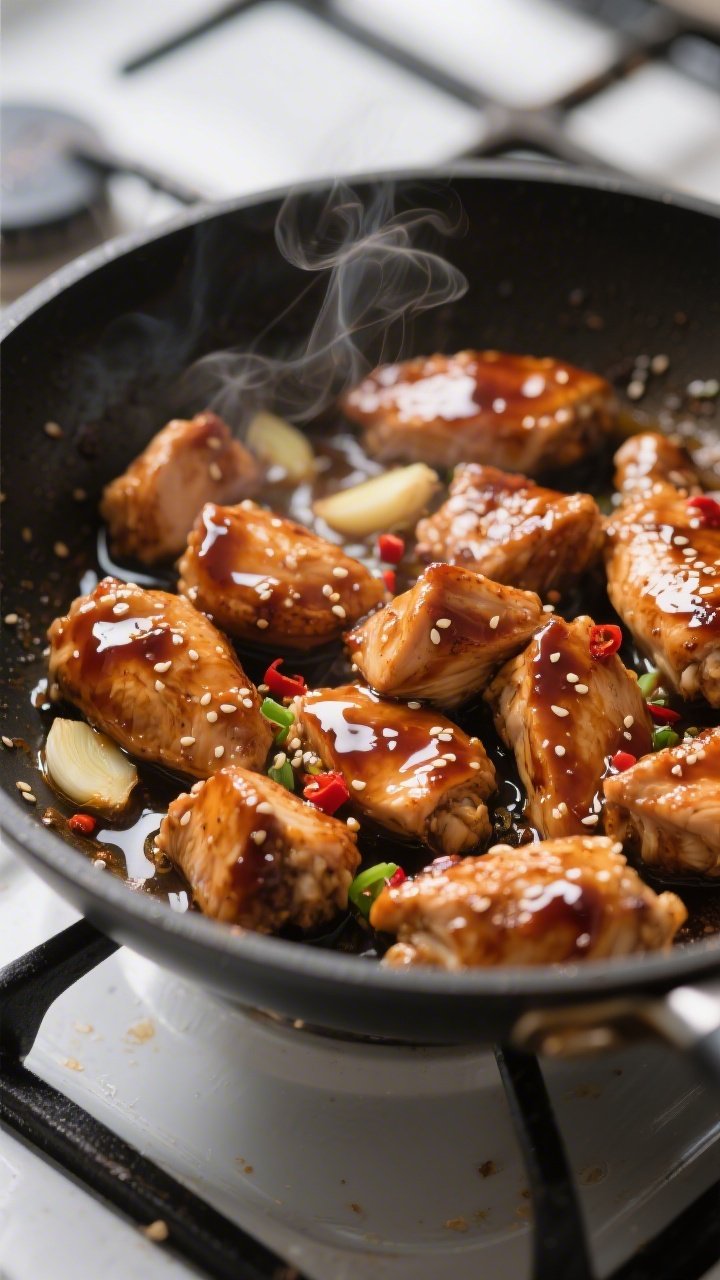
- Brown the chicken: Add chicken in a single layer. Don’t crowd the pan. Sear 3–4 minutes without moving, then stir and cook another 3 minutes until mostly cooked and golden in spots.
- Add the sauce: Pour the sauce into the skillet. It will bubble quickly. Scrape the browned bits from the pan to boost flavor.
- Reduce to glaze: Lower heat to medium. Simmer 3–5 minutes, stirring, until the sauce reduces by about a third. If using xanthan gum, sprinkle a tiny pinch (about 1/8 teaspoon) over the bubbling sauce and whisk. Use very little; more can make it gummy.
- Finish cooking: Keep cooking until the chicken is fully done (165°F/74°C) and the sauce is glossy and clings to each piece. If it gets too thick, add a splash of stock or water.
- Taste and adjust: Add a little more vinegar for brightness or sweetener for balance as needed. Season with pepper; tamari is salty, so you likely won’t need more salt.
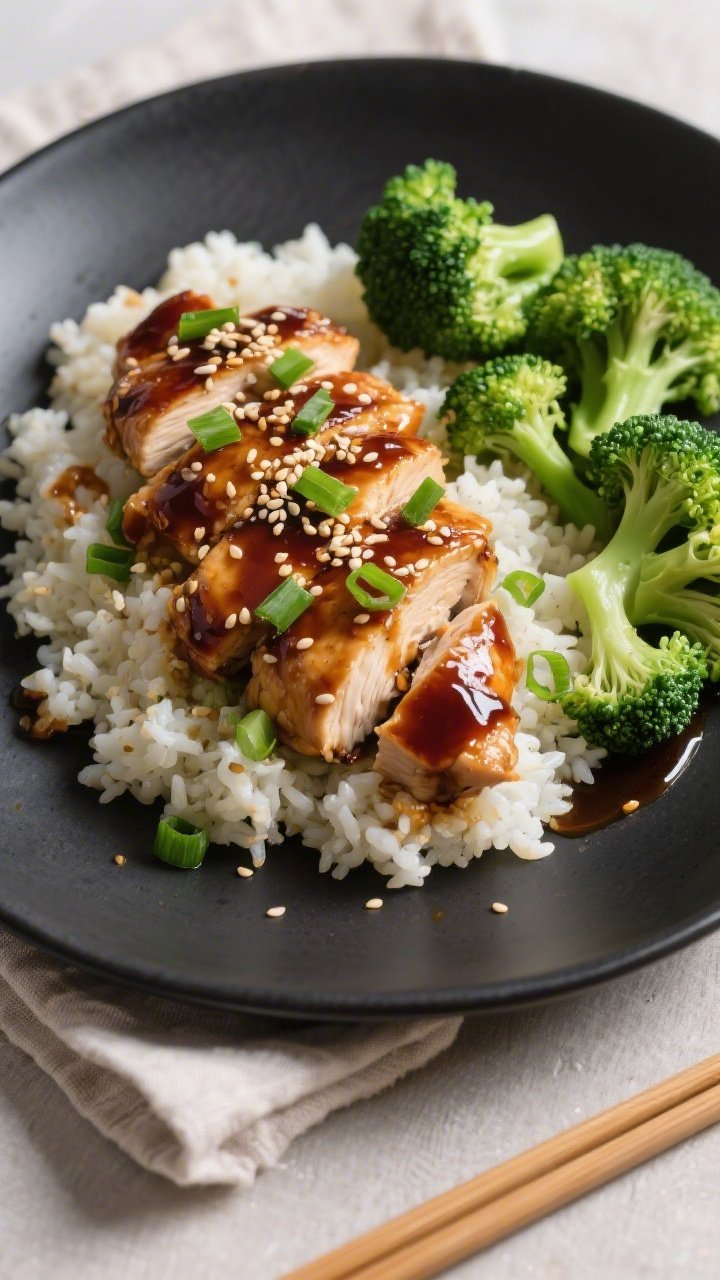
- Garnish and serve: Top with sesame seeds and sliced green onions. Serve over cauliflower rice or with steamed broccoli for a full keto meal.
Why This Recipe Works
This keto chicken teriyaki swaps traditional sugar and cornstarch for smarter options. Allulose or monk fruit brings sweetness without the carbs or aftertaste of some sweeteners. Tamari or coconut aminos delivers that deep, salty-sweet backbone while keeping it gluten-free. A touch of rice vinegar, sesame oil, and fresh ginger and garlic add classic teriyaki character.
To thicken the sauce, a small amount of xu-than gum (or a quick reduction) creates a shiny glaze with minimal carbs.
Searing bite-size pieces of chicken first builds flavor and texture, then finishing in the sauce ensures every piece is coated. The result: balanced, bold, and keto-friendly without feeling like a compromise.
Shopping List
- Chicken thighs (boneless, skinless) or chicken breast, cut into bite-size pieces
- Tamari (gluten-free soy sauce) or coconut aminos
- Allulose or monk fruit sweetener (classic or golden)
- Rice vinegar (unseasoned) or apple cider vinegar
- Sesame oil (toasted)
- Fresh garlic
- Fresh ginger
- Avocado oil (or light olive oil) for searing
- Beef or chicken stock (low-sodium)
- Xanthan gum (optional, for thickening)
- Red pepper flakes (optional, for heat)
- Sesame seeds and sliced green onions for garnish
- Low-carb sides (cauliflower rice, steamed broccoli, or zucchini noodles)
Instructions
- Prep the chicken: Pat the chicken dry and cut into 1-inch pieces. Season lightly with salt and pepper.
Dry chicken browns better and helps the sauce stick.
- Make the sauce base: In a bowl, whisk 1/3 cup tamari (or 1/2 cup coconut aminos), 3 tablespoons allulose or monk fruit, 2 tablespoons rice vinegar, 1/4 cup stock, 1 teaspoon toasted sesame oil, 2 minced garlic cloves, 1 teaspoon grated fresh ginger, and a pinch of red pepper flakes if you like heat.
- Heat the pan: Set a large skillet over medium-high heat. Add 1 tablespoon avocado oil and let it get hot until it shimmers.
- Brown the chicken: Add chicken in a single layer. Don’t crowd the pan.
Sear 3–4 minutes without moving, then stir and cook another 3 minutes until mostly cooked and golden in spots.
- Add the sauce: Pour the sauce into the skillet. It will bubble quickly. Scrape the browned bits from the pan to boost flavor.
- Reduce to glaze: Lower heat to medium.
Simmer 3–5 minutes, stirring, until the sauce reduces by about a third. If using xanthan gum, sprinkle a tiny pinch (about 1/8 teaspoon) over the bubbling sauce and whisk. Use very little; more can make it gummy.
- Finish cooking: Keep cooking until the chicken is fully done (165°F/74°C) and the sauce is glossy and clings to each piece. If it gets too thick, add a splash of stock or water.
- Taste and adjust: Add a little more vinegar for brightness or sweetener for balance as needed.
Season with pepper; tamari is salty, so you likely won’t need more salt.
- Garnish and serve: Top with sesame seeds and sliced green onions. Serve over cauliflower rice or with steamed broccoli for a full keto meal.
Storage Instructions
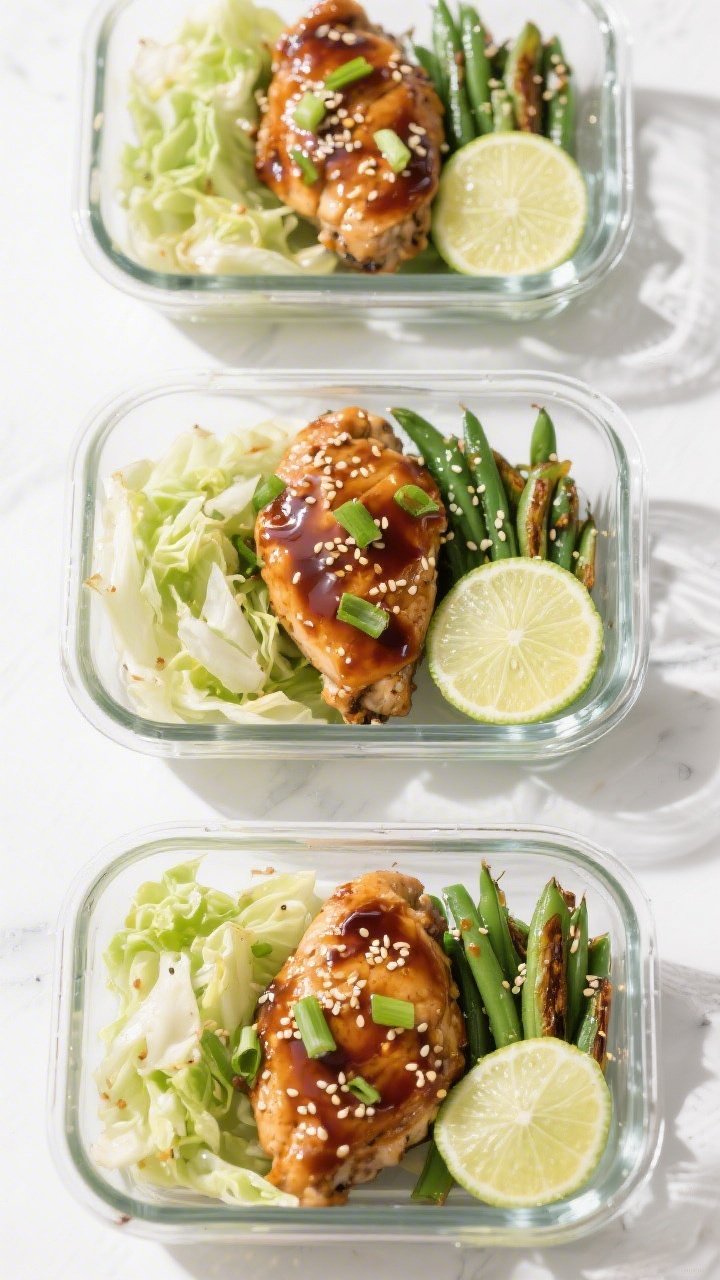
Let the chicken cool to room temperature, then store in an airtight container in the fridge for up to 4 days. The sauce will thicken more as it chills; add a splash of water when reheating to loosen it.
Reheat gently on the stovetop over low heat or in the microwave at 50–70% power so the chicken stays tender. For longer storage, freeze in a flat freezer bag for up to 2 months. Thaw overnight in the fridge before reheating.
Why This is Good for You
This dish keeps carbs low while delivering satisfying protein and healthy fats. Chicken thighs provide iron and B vitamins, along with enough fat to keep you full. Tamari and ginger bring antioxidants and anti-inflammatory compounds.
By using sugar-free sweeteners and skipping cornstarch, you avoid spikes in blood sugar and preserve ketosis.
Pairing it with fiber-rich vegetables like broccoli or cauliflower supports digestion and helps keep portions satisfying without piling on carbs. It’s a balanced, crowd-pleasing way to enjoy comfort food on a low-carb plan.
What Not to Do
- Don’t use seasoned rice vinegar. It contains added sugar. Stick to unseasoned or swap with apple cider vinegar.
- Don’t pour in too much xanthan gum. A tiny pinch is enough; too much turns the sauce slimy.
- Don’t skip browning. Color equals flavor.
Searing adds depth that makes the sauce taste richer.
- Don’t crowd the pan. Overcrowding steams the chicken instead of searing it. Cook in batches if needed.
- Don’t rely on high heat at the end. Reduce gently to avoid overcooking the chicken and scorching the sweetener.
Alternatives
- Protein swaps: Use turkey, pork tenderloin, or extra-firm tofu (pressed and pan-seared) for variety.
- Sauce tweaks: Add a teaspoon of fish sauce for extra umami, or a dash of orange zest for a citrus twist without adding carbs.
- Sweeteners: Allulose gives the best “syrupy” finish. Erythritol can crystallize, so mix it with a little monk fruit or add a teaspoon of glycerin to help texture.
- Thickening options: If you don’t have xanthan gum, simply reduce the sauce longer, or whisk in 1/2 teaspoon glucomannan (konjac) for a silky body.
- Low-sodium route: Use low-sodium tamari and unsalted stock; finish with a squeeze of lime to brighten instead of extra salt.
- Spice it up: Stir in chili-garlic paste or a few drops of chili oil for a spicy teriyaki kick.
Never Wonder What's For Dinner Again
Get 7 healthy, family-friendly dinners complete with recipes, grocery lists, and simple meal plans delivered straight to your inbox.
FAQ
Is teriyaki sauce keto?
Traditional teriyaki sauce isn’t keto because it’s loaded with sugar and thickened with starch.
This version uses low-carb sweeteners and relies on reduction or a small amount of xanthan gum to thicken, keeping carbs low while preserving the classic flavor.
Can I use chicken breast instead of thighs?
Yes. Breast cooks faster and can dry out more easily, so watch your timing. Keep the heat at medium once the sauce is in, and pull it off as soon as it’s cooked through to keep it tender.
What’s the best sweetener for this recipe?
Allulose is ideal because it dissolves well, browns nicely, and gives a syrup-like finish.
Monk fruit blends also work. Erythritol can taste cool and may recrystallize as it cools, so use it in combination or expect a slightly grainy texture when chilled.
How do I keep the sauce from getting too salty?
Use low-sodium tamari and low-sodium stock. Reduce gently and taste as you go.
If it gets too salty, add a splash of water and a touch more sweetener or vinegar to rebalance.
Can I make this ahead for meal prep?
Absolutely. Cook as directed and store in single-serve containers with cauliflower rice or steamed veggies. Reheat gently and add a splash of water if the sauce looks too thick.
Is coconut aminos okay on keto?
Yes, in moderation.
It’s slightly sweeter and has a few more carbs than tamari, but it works well and tastes great. Adjust the sweetener down a bit if using coconut aminos.
Do I need xanthan gum?
No. It just speeds up thickening.
You can get a beautiful glaze by simmering the sauce a little longer. If you use xanthan gum, measure lightly and whisk it in evenly.
What sides go best with keto teriyaki?
Cauliflower rice, sautéed cabbage, steamed broccoli, or roasted green beans are all excellent low-carb choices. They soak up the sauce and round out the meal without adding many carbs.
Final Thoughts
Keto Chicken Teriyaki gives you familiar takeout comfort with clean, low-carb ingredients.
The method is simple, the flavors are bold, and it works on busy nights or as a reliable meal-prep staple. With a few pantry swaps and a quick simmer, you’ll have a glossy, savory-sweet glaze that tastes like the real thing. Add your favorite low-carb sides, garnish with sesame and scallions, and enjoy a weeknight winner you’ll make again and again.
Printable Recipe Card
Want just the essential recipe details without scrolling through the article? Get our printable recipe card with just the ingredients and instructions.
Loved This Recipe?
If you're looking for more simple, healthy dinners your family will actually eat, grab my FREE 7-Day Easy Dinner Reset. You'll get 7 easy dinner recipes, simple grocery lists, and a done-for-you plan that takes the stress out of mealtime.