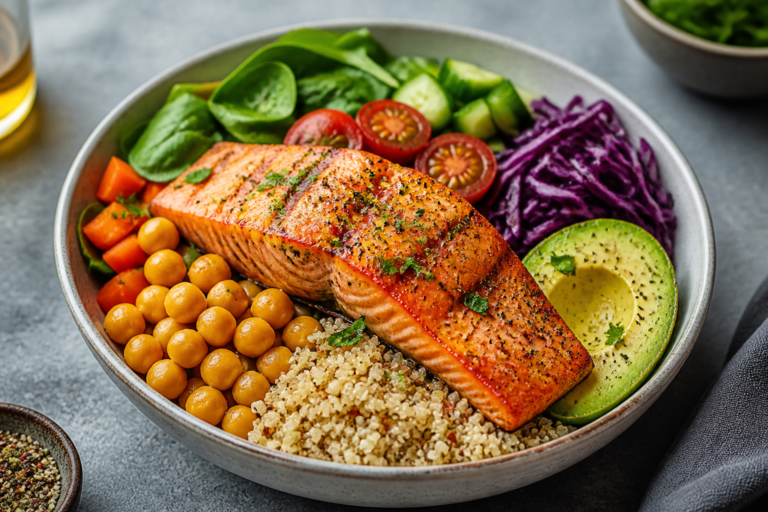
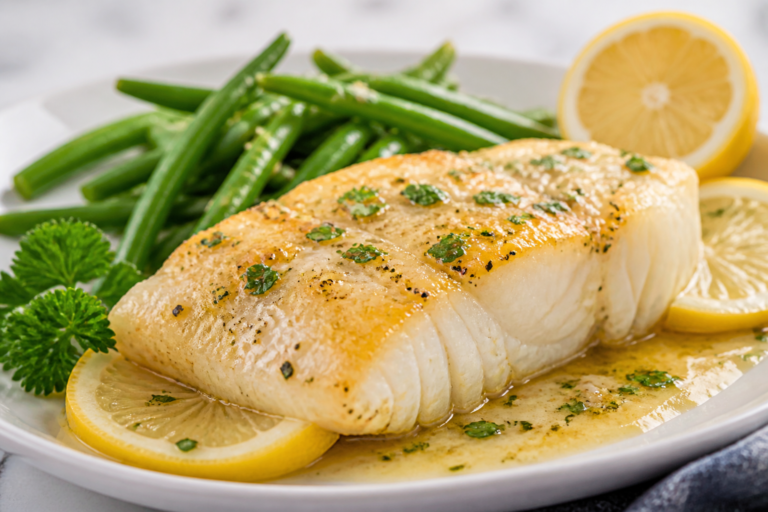
Healthy Creamy Salmon Pasta – Light, Comforting, and Weeknight-Friendly
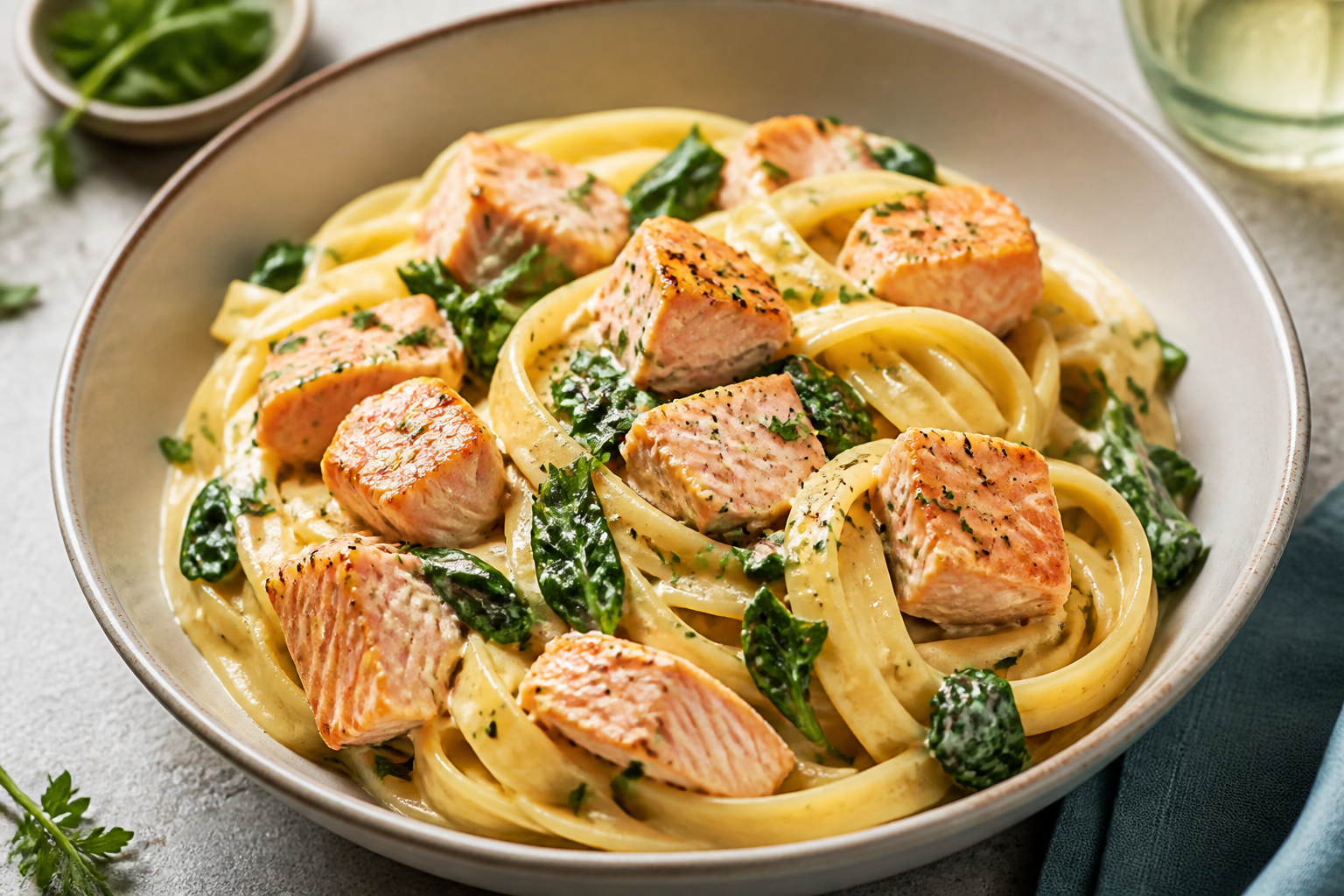
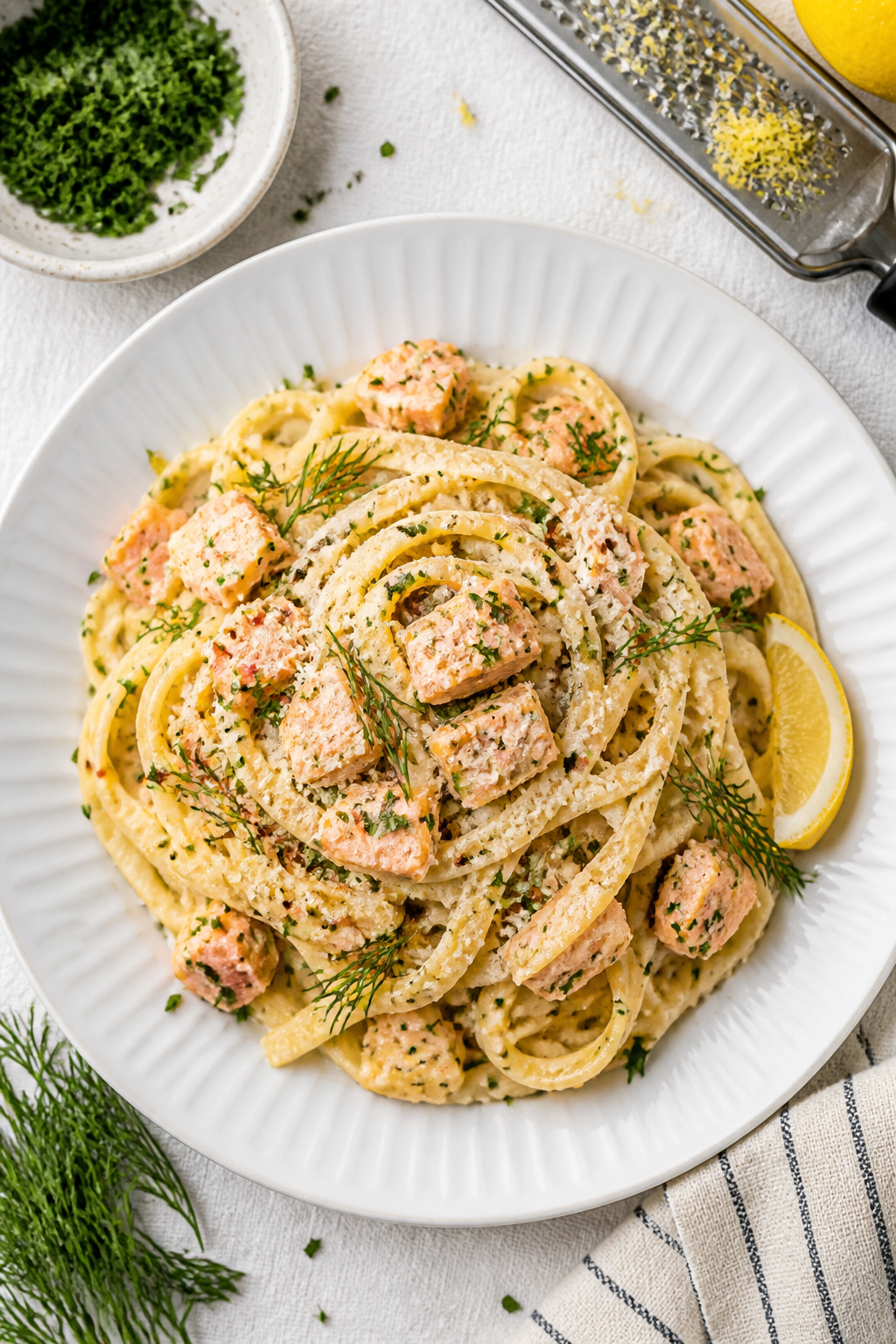
This Healthy Creamy Salmon Pasta hits that cozy spot without weighing you down. It’s rich and velvety, but the sauce is lightened up with Greek yogurt and a splash of pasta water instead of heavy cream. You get tender flakes of salmon, a bright pop of lemon, and a silky sauce that clings to every strand.
FREE 7-Day Easy Dinner Reset
Get 7 healthy, family-friendly dinners complete with recipes and simple meal plans delivered straight to your inbox.
It’s quick enough for a busy weeknight and still special enough for a laid-back dinner with friends. Best of all, it’s the kind of dish that tastes indulgent while staying firmly in the “feel-good” zone.
Ingredients
Method
- Boil the pasta: Bring a large pot of salted water to a boil. Cook the pasta until just shy of al dente (about 1 minute less than package directions). Reserve 1 to 1.5 cups of pasta water, then drain.
- Season the salmon: Pat the salmon dry. Season both sides with salt, pepper, and a light drizzle of olive oil. If the skin is on, keep it—crisp skin adds texture and helps the fish hold together.
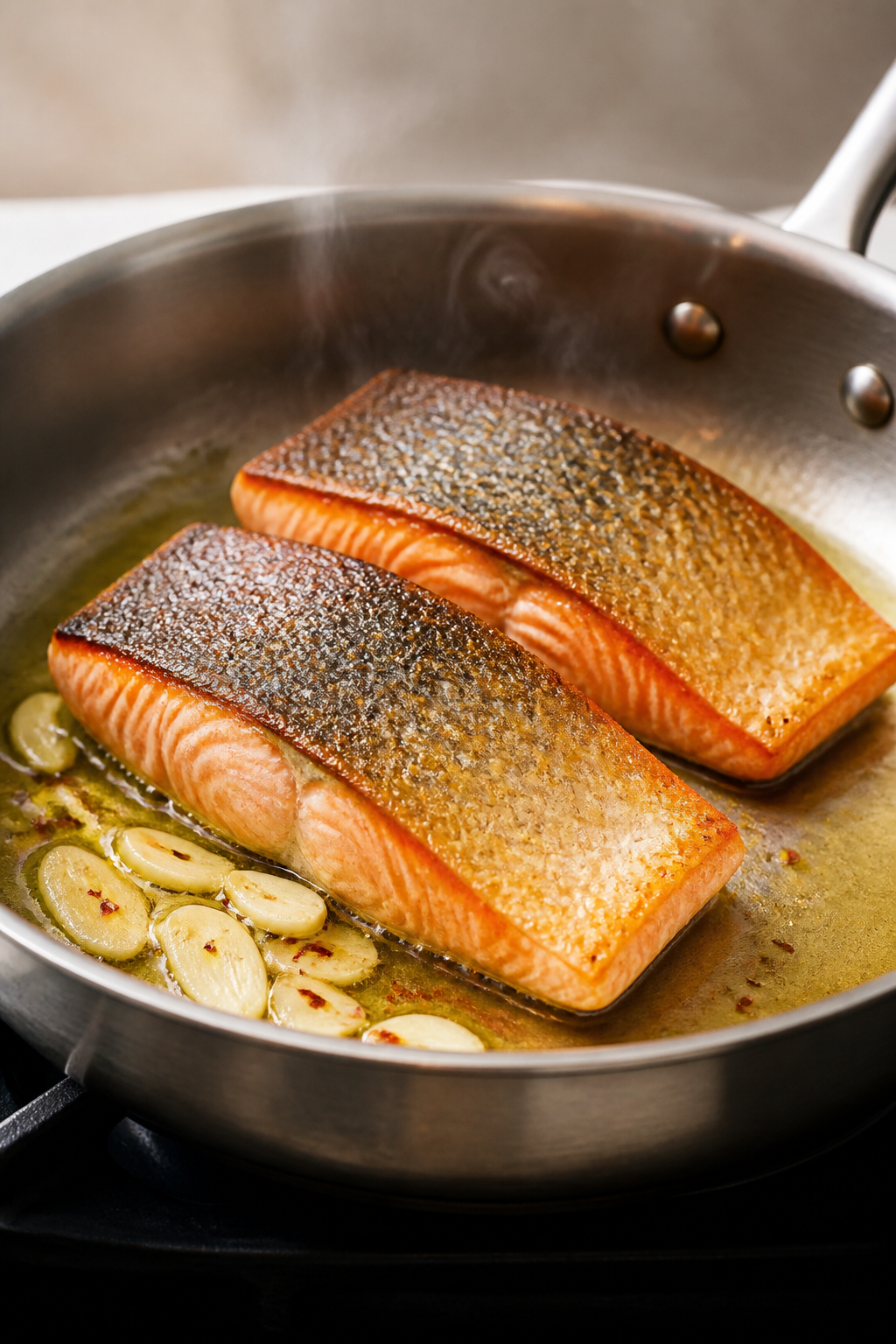
- Sear the salmon: Heat 1 tablespoon olive oil in a large skillet over medium to medium-high heat. Place salmon skin-side down and cook 3–4 minutes until the skin is crisp. Flip and cook another 2–4 minutes, depending on thickness, until just opaque in the center. Transfer to a plate and let it rest.
- Build the flavor base: Lower heat to medium. Add another teaspoon of olive oil if the pan looks dry. Sauté garlic for 30–45 seconds until fragrant. Sprinkle in red pepper flakes if using.
- Make it creamy (the light way): Whisk in 1/2 cup pasta water and the Greek yogurt off the heat or over low heat to prevent curdling. Stir until smooth and glossy. Add the lemon zest and 1–2 teaspoons lemon juice to taste.
- Add Parmesan: Stir in the grated Parmesan until melted and the sauce turns silky. If it’s too thick, loosen with more pasta water or a splash of broth. Taste and adjust salt and pepper.
- Flake the salmon: Gently remove the skin, then use a fork to flake the salmon into bite-size pieces. Keep some larger flakes for nice texture.
- Toss it all together: Add the pasta to the pan with the sauce and toss over low heat until coated. Fold in the spinach or arugula so it just wilts.
- Finish with herbs: Gently fold in the salmon and most of the fresh dill or parsley. Add another splash of pasta water if the sauce tightens up. Adjust lemon and seasoning one last time.
- Serve: Top with the remaining herbs, freshly cracked black pepper, and a sprinkle of Parmesan. Add a lemon wedge on the side if you like extra brightness.
Why This Recipe Works
Balanced richness: Using low-fat Greek yogurt and a touch of olive oil creates a creamy sauce without the heaviness of cream. A bit of Parmesan adds depth without going overboard.
Smart technique: Pasta water brings silkiness and helps the sauce emulsify.
Lemon zest and fresh herbs brighten the dish, so each bite feels fresh, not flat.
Nutrient-dense: Salmon gives you high-quality protein and omega-3 fats. Whole-grain pasta boosts fiber, keeping you full and energized.
Weeknight simple: Everything cooks in under 30 minutes with minimal cleanup. You’ll make the sauce in the same pan used for the salmon.
Shopping List
- Salmon: 12–16 oz skin-on salmon fillet (or two smaller fillets)
- Pasta: 10–12 oz whole-grain spaghetti, linguine, or penne
- Greek yogurt: 3/4 cup, low-fat or 2%
- Olive oil: 2–3 tablespoons
- Garlic: 3–4 cloves, minced
- Lemon: 1 large (zest and juice)
- Parmesan: 1/3 cup finely grated (plus extra for serving)
- Spinach or arugula: 2–3 cups, loosely packed
- Fresh herbs: Dill or parsley, chopped (about 2 tablespoons)
- Low-sodium broth or water: 1/2 cup (optional, for thinning)
- Red pepper flakes: Pinch (optional)
- Sea salt and black pepper: To taste
Instructions
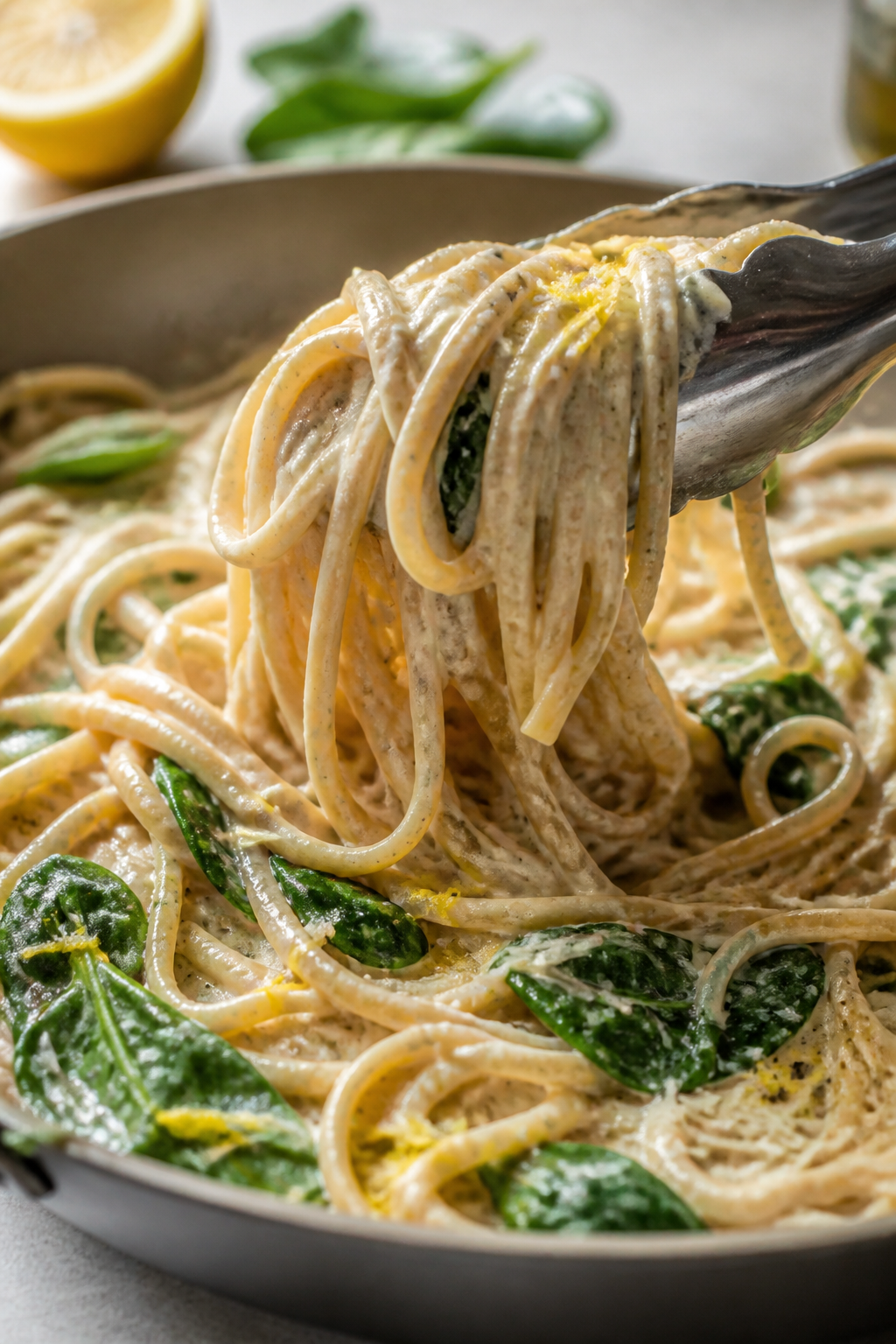
- Boil the pasta: Bring a large pot of salted water to a boil.
Cook the pasta until just shy of al dente (about 1 minute less than package directions). Reserve 1 to 1.5 cups of pasta water, then drain.
- Season the salmon: Pat the salmon dry. Season both sides with salt, pepper, and a light drizzle of olive oil.
If the skin is on, keep it—crisp skin adds texture and helps the fish hold together.
- Sear the salmon: Heat 1 tablespoon olive oil in a large skillet over medium to medium-high heat. Place salmon skin-side down and cook 3–4 minutes until the skin is crisp. Flip and cook another 2–4 minutes, depending on thickness, until just opaque in the center.
Transfer to a plate and let it rest.
- Build the flavor base: Lower heat to medium. Add another teaspoon of olive oil if the pan looks dry. Sauté garlic for 30–45 seconds until fragrant.
Sprinkle in red pepper flakes if using.
- Make it creamy (the light way): Whisk in 1/2 cup pasta water and the Greek yogurt off the heat or over low heat to prevent curdling. Stir until smooth and glossy. Add the lemon zest and 1–2 teaspoons lemon juice to taste.
- Add Parmesan: Stir in the grated Parmesan until melted and the sauce turns silky.
If it’s too thick, loosen with more pasta water or a splash of broth. Taste and adjust salt and pepper.
- Flake the salmon: Gently remove the skin, then use a fork to flake the salmon into bite-size pieces. Keep some larger flakes for nice texture.
- Toss it all together: Add the pasta to the pan with the sauce and toss over low heat until coated.
Fold in the spinach or arugula so it just wilts.
- Finish with herbs: Gently fold in the salmon and most of the fresh dill or parsley. Add another splash of pasta water if the sauce tightens up. Adjust lemon and seasoning one last time.
- Serve: Top with the remaining herbs, freshly cracked black pepper, and a sprinkle of Parmesan.
Add a lemon wedge on the side if you like extra brightness.
Keeping It Fresh
Storage: Refrigerate leftovers in an airtight container for up to 2 days. The sauce may thicken; add a splash of water or broth when reheating.
Reheating: Warm gently in a skillet over low heat with a bit of water. Avoid microwaving on high, which can dry out the salmon and cause the sauce to separate.
Make-ahead tips: Cook the pasta a minute under al dente and toss with a little oil to prevent sticking.
The salmon can be cooked a few hours ahead, cooled, and refrigerated; flake just before tossing.
Health Benefits
Heart-healthy fats: Salmon is rich in omega-3s (EPA and DHA) that support heart, brain, and joint health. They also help reduce inflammation.
Protein and satiety: Each serving packs quality protein to keep you fuller longer and help maintain lean muscle.
Lighter dairy swap: Greek yogurt brings probiotics and protein with far less saturated fat than cream, keeping the dish creamy yet light.
Fiber boost: Whole-grain pasta adds fiber for digestive health and steady energy. The greens contribute vitamins A, C, and K.
Never Wonder What's For Dinner Again
Get 7 healthy, family-friendly dinners complete with recipes, grocery lists, and simple meal plans delivered straight to your inbox.
What Not to Do
- Don’t overcook the salmon: Dry salmon falls apart and loses flavor.
Pull it off heat when it’s just opaque and flakes easily.
- Don’t skip the pasta water: It’s key for a silky sauce. Plain water won’t emulsify as well.
- Don’t add yogurt over high heat: It can split. Keep the heat low and whisk it in gently.
- Don’t drown it in lemon juice: Lemon is great, but too much can curdle the sauce and overpower the fish.
Start small and adjust.
- Don’t forget to taste as you go: Seasoning in layers makes all the difference.
Recipe Variations
- Veggie lift: Add sautéed mushrooms, cherry tomatoes, or steamed asparagus tips for extra color and nutrients.
- Herb swap: Try tarragon for a delicate, anise-like note, or basil for a sweeter finish.
- Dairy-free option: Use a plain, unsweetened plant-based yogurt and a dairy-free Parmesan-style topping. Add a teaspoon of Dijon to round out the flavor.
- Gluten-free: Choose a high-quality gluten-free pasta like brown rice or chickpea. Watch the cooking time to avoid mushiness.
- Smoked salmon twist: Fold in chopped hot-smoked salmon at the end for a bolder flavor and no need to cook the fish separately.
- Citrus change-up: Use Meyer lemon or add a touch of orange zest for a softer, fragrant brightness.
FAQ
Can I use canned salmon?
Yes, choose boneless, skinless canned salmon.
Drain it well and fold it in at the end so it stays intact. Wild-caught varieties have great flavor and plenty of omega-3s.
What pasta shape works best?
Long strands like linguine or spaghetti grab the sauce nicely, but short shapes like penne or fusilli are great for catching flakes of salmon. Use what you enjoy and have on hand.
How do I prevent the yogurt from curdling?
Keep the heat low, and temper the yogurt by whisking it with warm pasta water before adding.
Avoid boiling the sauce after the yogurt goes in.
Is skin-on salmon necessary?
No, but skin-on makes searing easier and helps keep the fillet moist. If you prefer skinless, sear gently and reduce the cooking time slightly.
Can I make it without Parmesan?
Sure. The dish will be lighter and a bit less savory.
Consider a teaspoon of nutritional yeast or a small spoon of miso to bring back umami depth.
What if my sauce is too thin or too thick?
If too thin, simmer gently for a minute or add a touch more Parmesan. If too thick, whisk in more pasta water a splash at a time until it loosens and turns glossy.
How do I know when the salmon is done?
It should flake easily with a fork and be just opaque in the center. An instant-read thermometer should read about 125–130°F for medium.
In Conclusion
This Healthy Creamy Salmon Pasta strikes that rare balance: comfort you can feel good about.
With smart swaps, bright flavors, and an easy method, it turns simple ingredients into a restaurant-style plate in under 30 minutes. Keep the technique gentle, lean on lemon and herbs, and let the salmon shine. It’s a reliable weeknight staple that still feels like a small celebration at the table.
Printable Recipe Card
Want just the essential recipe details without scrolling through the article? Get our printable recipe card with just the ingredients and instructions.
Loved This Recipe?
If you're looking for more simple, healthy dinners your family will actually eat, grab my FREE 7-Day Easy Dinner Reset. You'll get 7 easy dinner recipes, simple grocery lists, and a done-for-you plan that takes the stress out of mealtime.