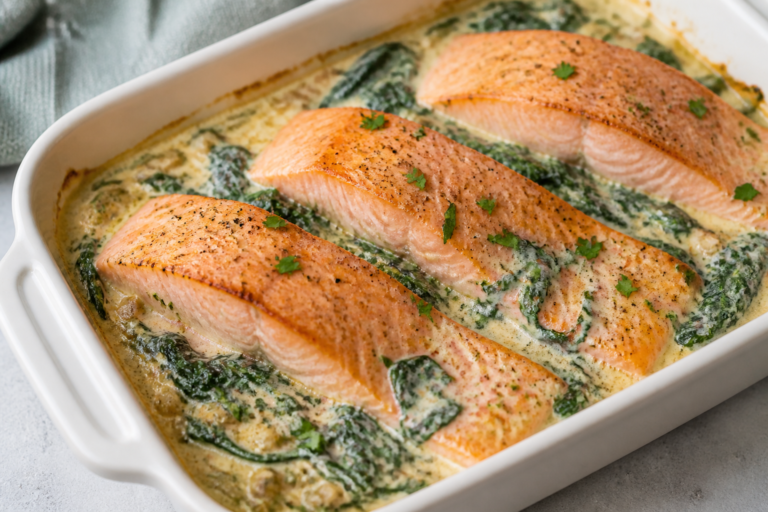
Maple Dijon Salmon & Green Beans – A Sweet, Savory Weeknight Favorite
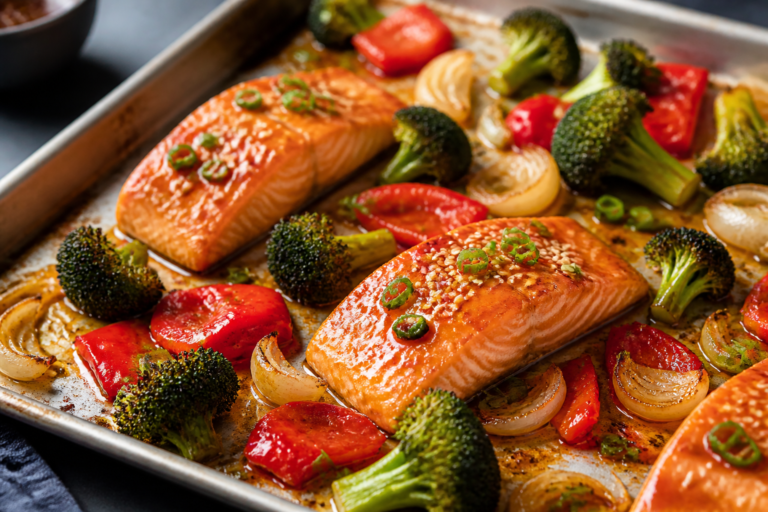
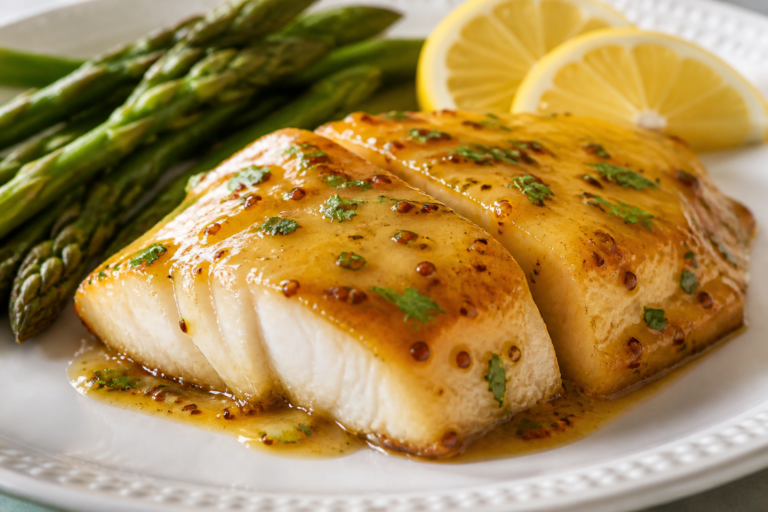
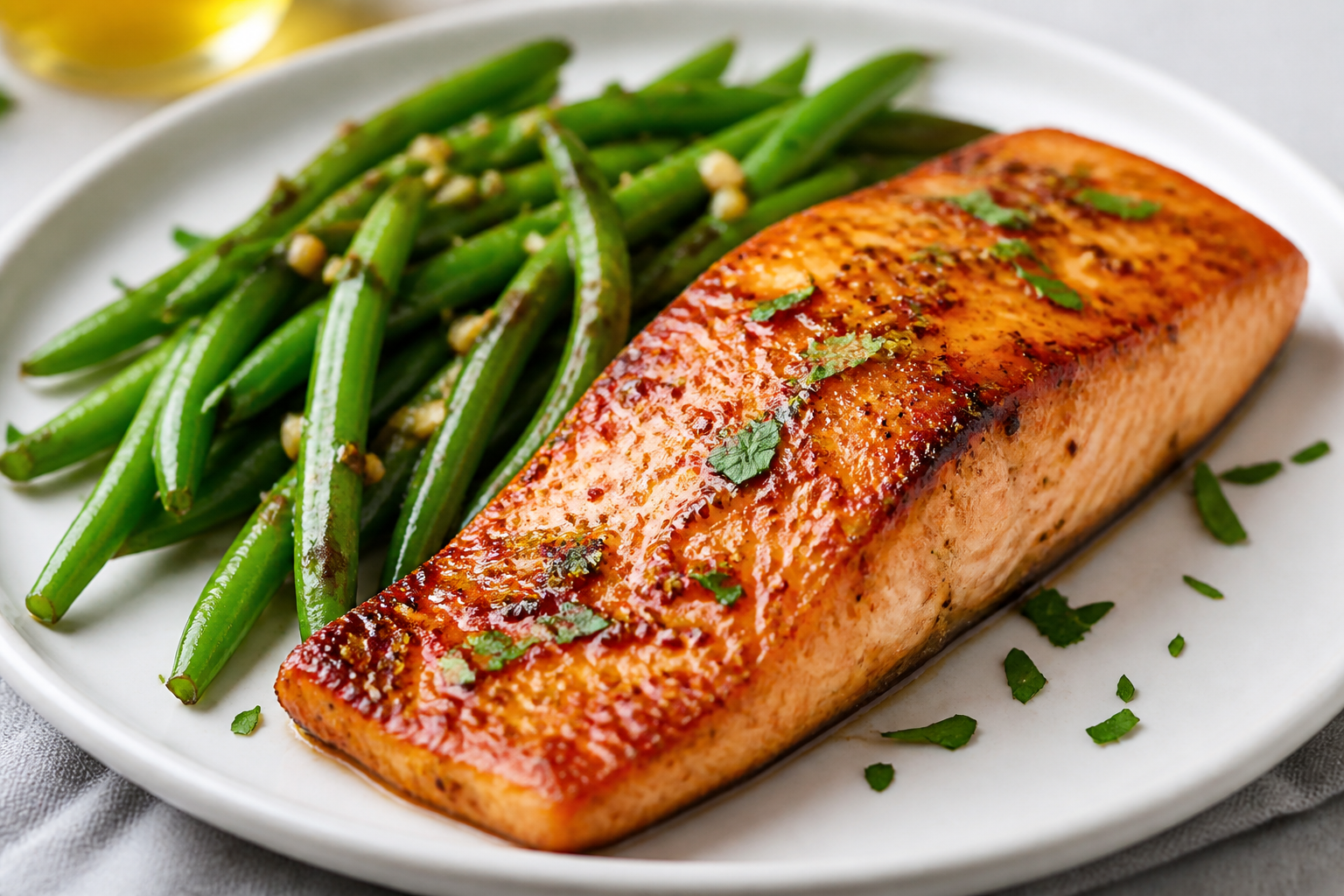
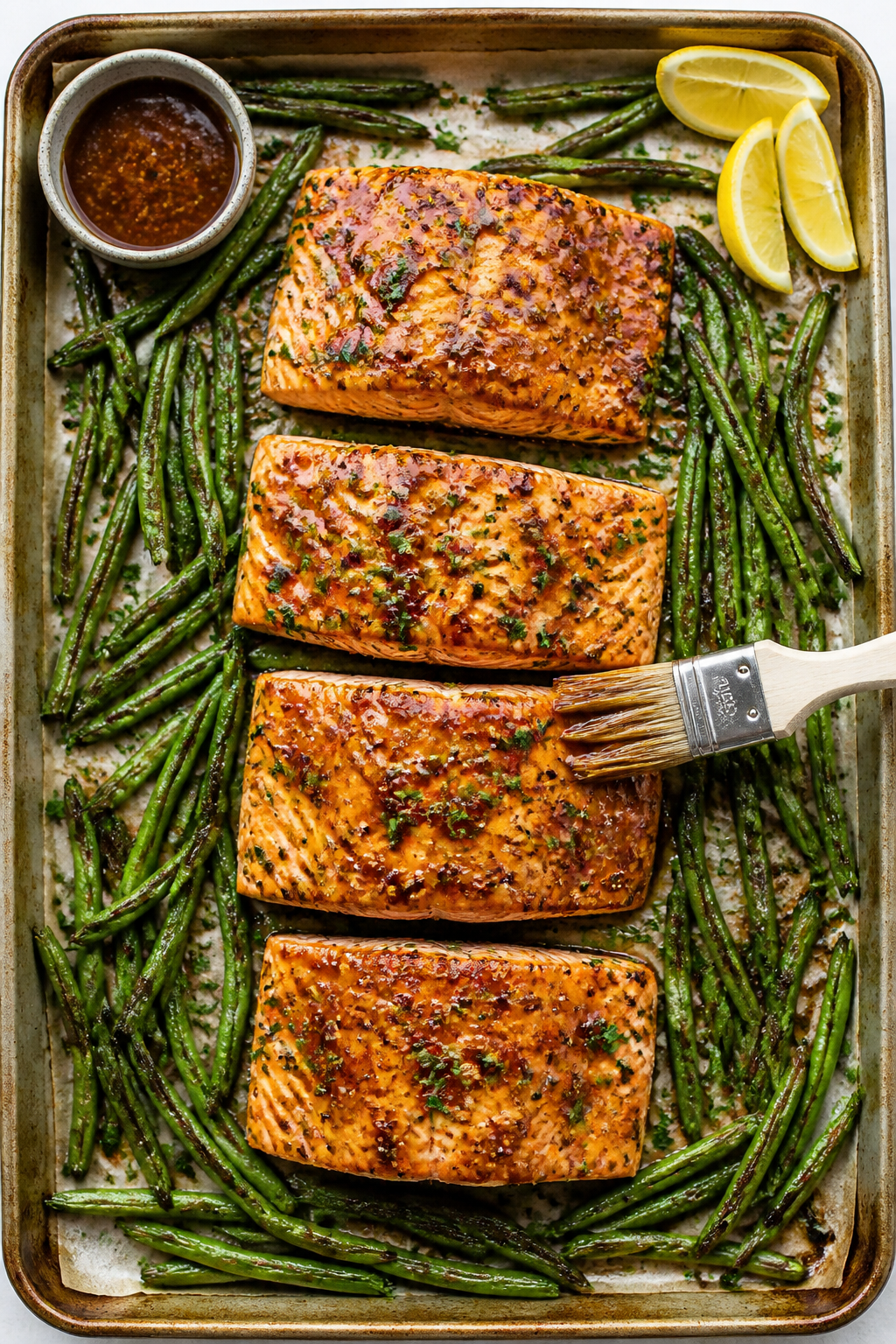
Maple Dijon Salmon & Green Beans is one of those meals that feels special without being fussy. It’s quick to make, easy to love, and hits that perfect balance of sweet, tangy, and savory. The salmon turns tender and flaky in the oven, while the green beans roast until crisp-tender and lightly caramelized.
FREE 7-Day Easy Dinner Reset
Get 7 healthy, family-friendly dinners complete with recipes and simple meal plans delivered straight to your inbox.
You get a complete, colorful dinner on one pan with minimal cleanup. If you’re craving something wholesome that doesn’t taste “healthy,” this is it.
Ingredients
Method
- Preheat and prep the pan. Heat your oven to 425°F (220°C). Line a large sheet pan with parchment paper or foil for easy cleanup.
- Season the green beans. Toss the green beans with 1 tablespoon olive oil, a big pinch of salt, and several grinds of pepper. Spread them in a single layer on the pan, leaving space in the center for the salmon.
- Make the glaze. In a small bowl, whisk together maple syrup, Dijon mustard, soy sauce, lemon juice, garlic, and smoked paprika. Taste and adjust salt or lemon if needed. It should be sweet, tangy, and slightly salty.
- Prepare the salmon. Pat the salmon dry with paper towels. Rub with the remaining 1 tablespoon olive oil and season both sides with salt and pepper.
- Add to the pan. Nestle the salmon fillets in the center of the sheet pan, skin-side down if using skin-on.
- Glaze generously. Spoon about two-thirds of the maple Dijon glaze over the salmon, spreading to coat the tops evenly. Drizzle a little over the green beans and toss gently on the pan.
- Roast. Place the pan in the oven and roast for 10–12 minutes, depending on thickness. The salmon should flake easily and be just opaque in the center. Thin fillets may be done at 8–10 minutes; thick ones can take up to 14 minutes.
- Finish and broil (optional). Brush the remaining glaze over the salmon. If you want more caramelization, switch to broil for 1–2 minutes, watching closely so the sugars don’t burn.
- Garnish and serve. Sprinkle with chopped parsley or chives and a pinch of red pepper flakes if you like. Serve with lemon wedges for a bright squeeze over the top.
What Makes This Special
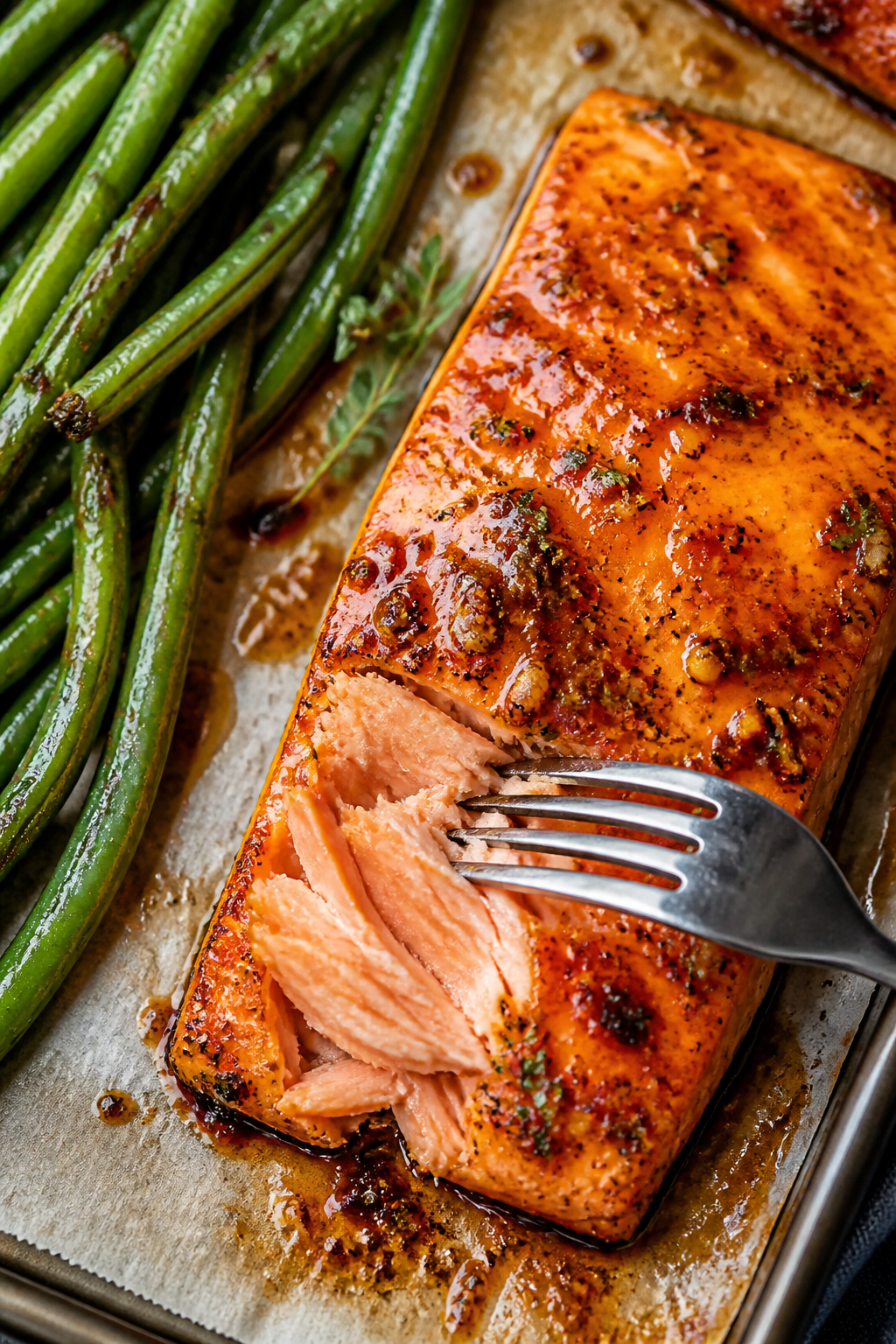
This dish shines because it uses a short ingredient list that packs big flavor. The maple syrup and Dijon mustard create a glossy glaze that clings to the salmon and drips onto the beans, so nothing tastes plain.
Everything roasts together, which means fewer dishes and perfectly timed cooking. It’s also flexible: swap in asparagus, add potatoes, or use grainy mustard for extra texture. Most importantly, it tastes restaurant-worthy while being weeknight-simple.
Ingredients
- 4 salmon fillets (about 5–6 ounces each), skin on or off
- 12 ounces green beans, trimmed
- 2 tablespoons olive oil, divided
- Salt and black pepper, to taste
- 1/4 cup pure maple syrup
- 2 tablespoons Dijon mustard (smooth or grainy)
- 1 tablespoon soy sauce or tamari
- 1 tablespoon lemon juice (plus extra wedges for serving)
- 1 teaspoon garlic powder or 1 small clove garlic, finely minced
- 1/2 teaspoon smoked paprika (optional, for a hint of warmth)
- Red pepper flakes (optional, for heat)
- Fresh parsley or chives, chopped, for garnish
Instructions
- Preheat and prep the pan. Heat your oven to 425°F (220°C).
Line a large sheet pan with parchment paper or foil for easy cleanup.
- Season the green beans. Toss the green beans with 1 tablespoon olive oil, a big pinch of salt, and several grinds of pepper. Spread them in a single layer on the pan, leaving space in the center for the salmon.
- Make the glaze. In a small bowl, whisk together maple syrup, Dijon mustard, soy sauce, lemon juice, garlic, and smoked paprika. Taste and adjust salt or lemon if needed.
It should be sweet, tangy, and slightly salty.
- Prepare the salmon. Pat the salmon dry with paper towels. Rub with the remaining 1 tablespoon olive oil and season both sides with salt and pepper.
- Add to the pan. Nestle the salmon fillets in the center of the sheet pan, skin-side down if using skin-on.
- Glaze generously. Spoon about two-thirds of the maple Dijon glaze over the salmon, spreading to coat the tops evenly. Drizzle a little over the green beans and toss gently on the pan.
- Roast. Place the pan in the oven and roast for 10–12 minutes, depending on thickness.
The salmon should flake easily and be just opaque in the center. Thin fillets may be done at 8–10 minutes; thick ones can take up to 14 minutes.
- Finish and broil (optional). Brush the remaining glaze over the salmon. If you want more caramelization, switch to broil for 1–2 minutes, watching closely so the sugars don’t burn.
- Garnish and serve. Sprinkle with chopped parsley or chives and a pinch of red pepper flakes if you like.
Serve with lemon wedges for a bright squeeze over the top.
How to Store
- Refrigerate: Store leftovers in an airtight container for up to 3 days. Keep salmon and beans together or separate—either is fine.
- Reheat: Warm gently in a 300°F (150°C) oven for 8–10 minutes or microwave on 50% power in short bursts to avoid drying the fish.
- Freeze: Cooked salmon can be frozen for up to 2 months. Wrap tightly and thaw overnight in the fridge.
Green beans don’t freeze as well; they tend to soften.
- Meal prep tip: Keep extra glaze on the side to refresh the flavor when reheating.
Why This is Good for You
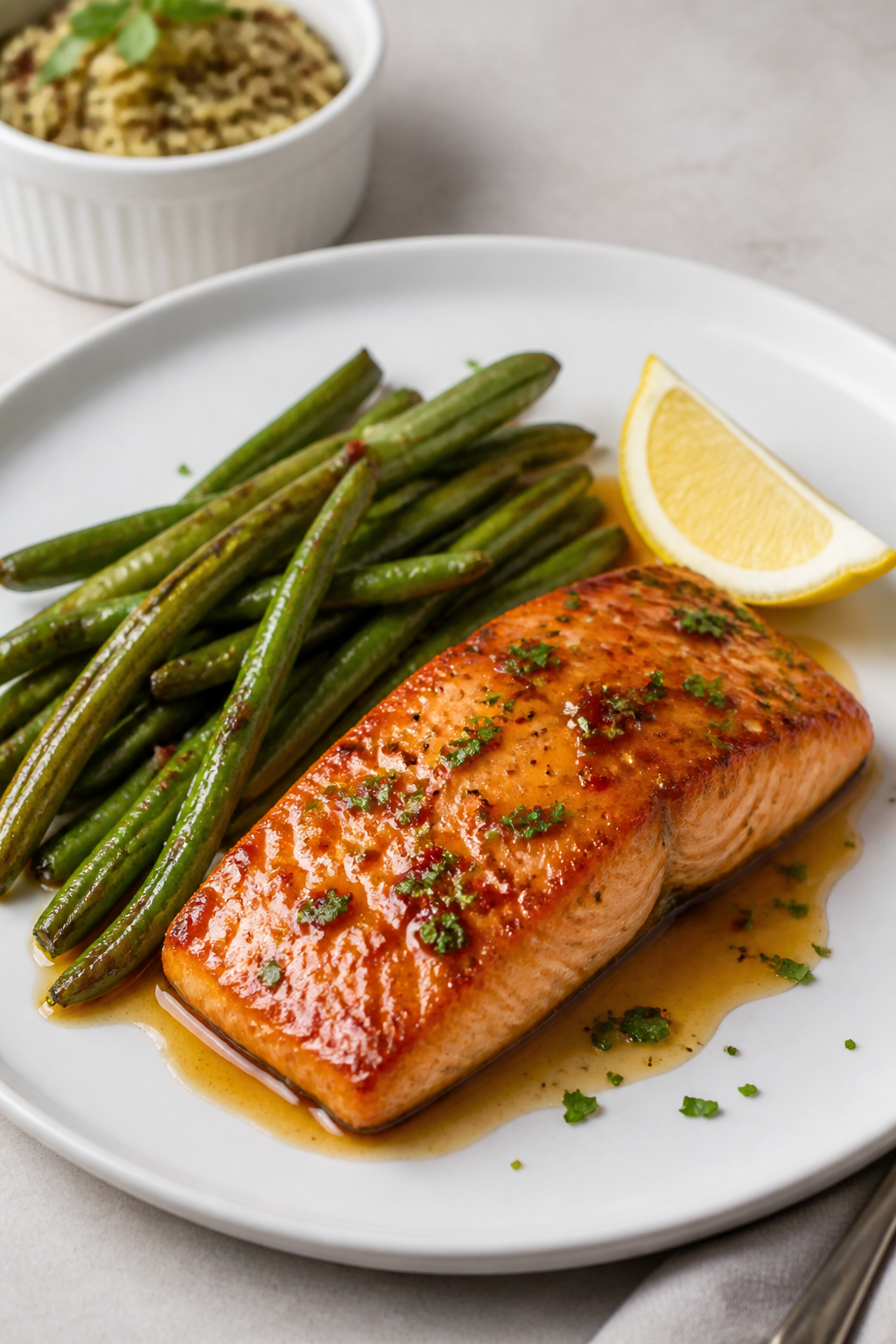
Salmon is rich in omega-3 fatty acids, which support heart and brain health. It’s also a great source of protein and vitamin D. Green beans bring fiber, vitamin C, and a mix of antioxidants, all while keeping calories in check.
The maple and mustard add flavor without heavy cream or butter, so the dish feels satisfying yet light. It’s a balanced plate with protein, veggies, and smart seasoning.
Common Mistakes to Avoid
- Overcooking the salmon: Pull it when it’s just opaque and flakes with a fork. Residual heat will finish the job.
- Crowding the pan: Give the beans and salmon space so they roast instead of steam.
Use two pans if needed.
- Skipping the pat-dry step: Moisture on the salmon prevents the glaze from sticking and browning nicely.
- Too much glaze too early: A thick sugary layer can burn. Coat well but save some to brush on at the end or before a quick broil.
- Uneven bean size: Trim and choose similar-sized beans so they cook at the same rate.
Alternatives
- Fish swaps: Try Arctic char, steelhead trout, or cod. Adjust cooking time—lean white fish may cook faster.
- Vegetable swaps: Asparagus, broccolini, or halved Brussels sprouts roast well with the same glaze.
If using potatoes or carrots, start them 15–20 minutes earlier.
- Mustard variations: Use grainy mustard for texture or mix half Dijon, half whole-grain for balance.
- Flavor twists: Add a teaspoon of grated fresh ginger to the glaze for zing, or a splash of rice vinegar instead of lemon for a different acidity.
- Make it spicy: Stir in sriracha or a pinch of cayenne, or finish with chili crisp.
- Make it dairy-free and gluten-free: The recipe is naturally dairy-free. Use tamari or coconut aminos to keep it gluten-free.
- Grill it: Brush the glaze on salmon and grill over medium heat, 3–4 minutes per side. Toss beans in a grill basket.
FAQ
How do I know when the salmon is done?
Never Wonder What's For Dinner Again
Get 7 healthy, family-friendly dinners complete with recipes, grocery lists, and simple meal plans delivered straight to your inbox.
Look for flesh that turns from translucent to opaque and flakes easily with a fork.
If you use a thermometer, aim for about 125–130°F in the thickest part for medium. It will continue to cook slightly as it rests.
Can I use frozen salmon?
Yes. Thaw it fully in the refrigerator overnight, then pat dry very well before seasoning and glazing.
Remove excess moisture so the glaze adheres and the salmon roasts instead of steaming.
Is there a good substitute for maple syrup?
Honey works well, though it’s a touch thicker and a bit less complex. If using honey, add a tiny splash more lemon to balance the sweetness.
What can I serve with this?
It’s great with quinoa, brown rice, or garlic mashed potatoes. A simple side salad with lemon vinaigrette also pairs nicely and keeps things fresh.
Can I make the glaze ahead?
Absolutely.
Mix it up to 3 days in advance and store in a sealed jar in the fridge. Give it a quick whisk before using.
Do I need to remove the salmon skin?
No. Skin-on fillets roast beautifully and the skin helps keep the fish moist.
After cooking, the flesh will easily lift away if you prefer not to eat the skin.
How do I prevent the glaze from burning?
Roast at 425°F and avoid broiling for too long. Save a portion of the glaze to brush on at the end, and keep an eye on it during the last few minutes.
Can I make this in an air fryer?
Yes. Cook the salmon at 390°F (200°C) for 7–10 minutes, depending on thickness.
Air-fry the green beans separately for 8–10 minutes, shaking once, and glaze as directed.
Wrapping Up
Maple Dijon Salmon & Green Beans is simple, fast, and full of flavor. The glaze brings sweet heat and tang, the beans roast to perfection, and the whole thing comes together on one pan. Keep this recipe in your weeknight rotation for a dinner that feels special without slowing you down.
With a few pantry staples and about 20 minutes, you’ve got a balanced meal that everyone will want again.
Printable Recipe Card
Want just the essential recipe details without scrolling through the article? Get our printable recipe card with just the ingredients and instructions.
Loved This Recipe?
If you're looking for more simple, healthy dinners your family will actually eat, grab my FREE 7-Day Easy Dinner Reset. You'll get 7 easy dinner recipes, simple grocery lists, and a done-for-you plan that takes the stress out of mealtime.