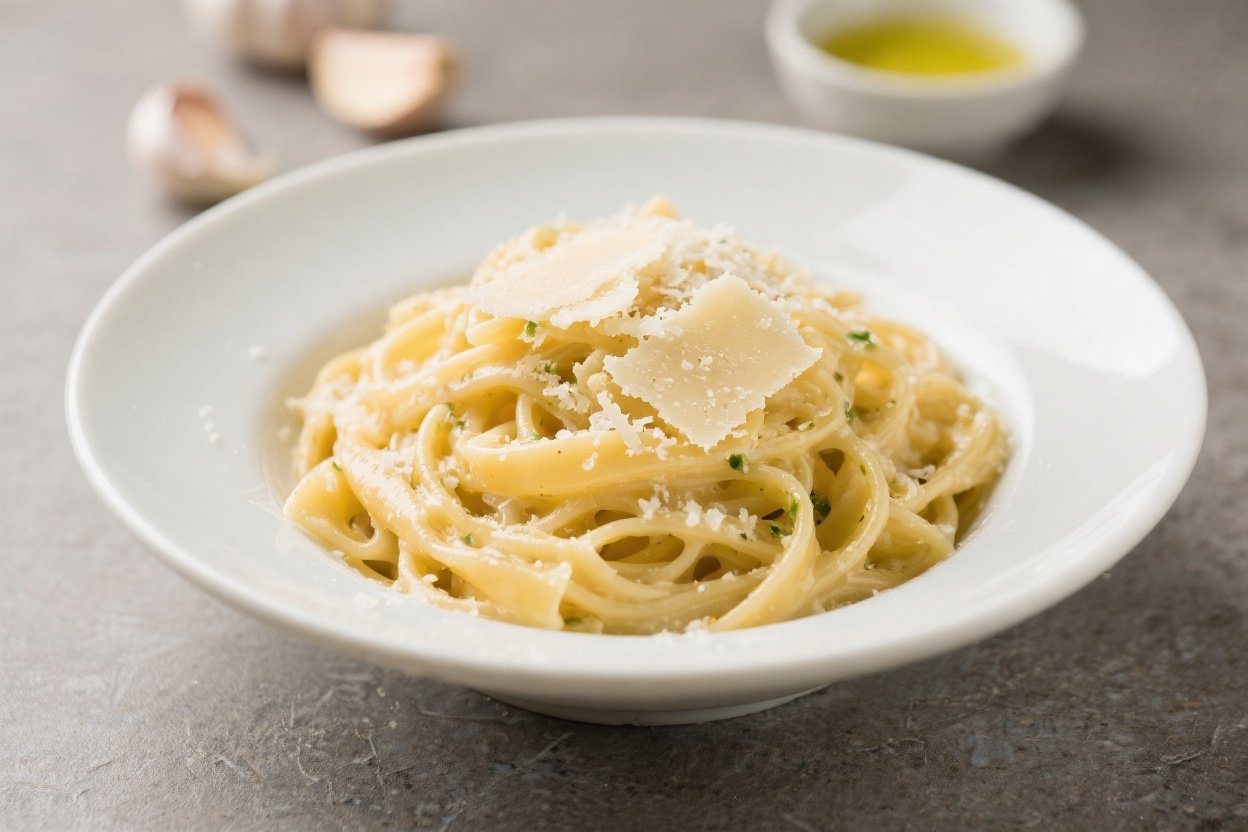
Garlic Butter Pasta With Parmesan – Simple, Comforting, and Ready Fast
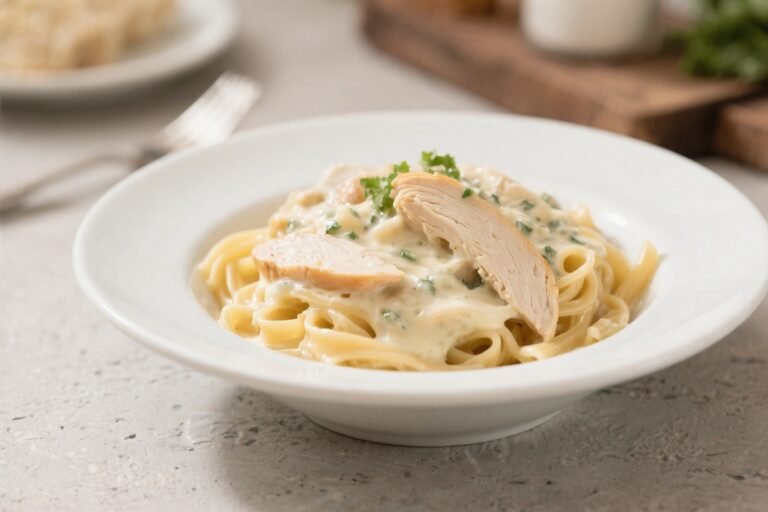
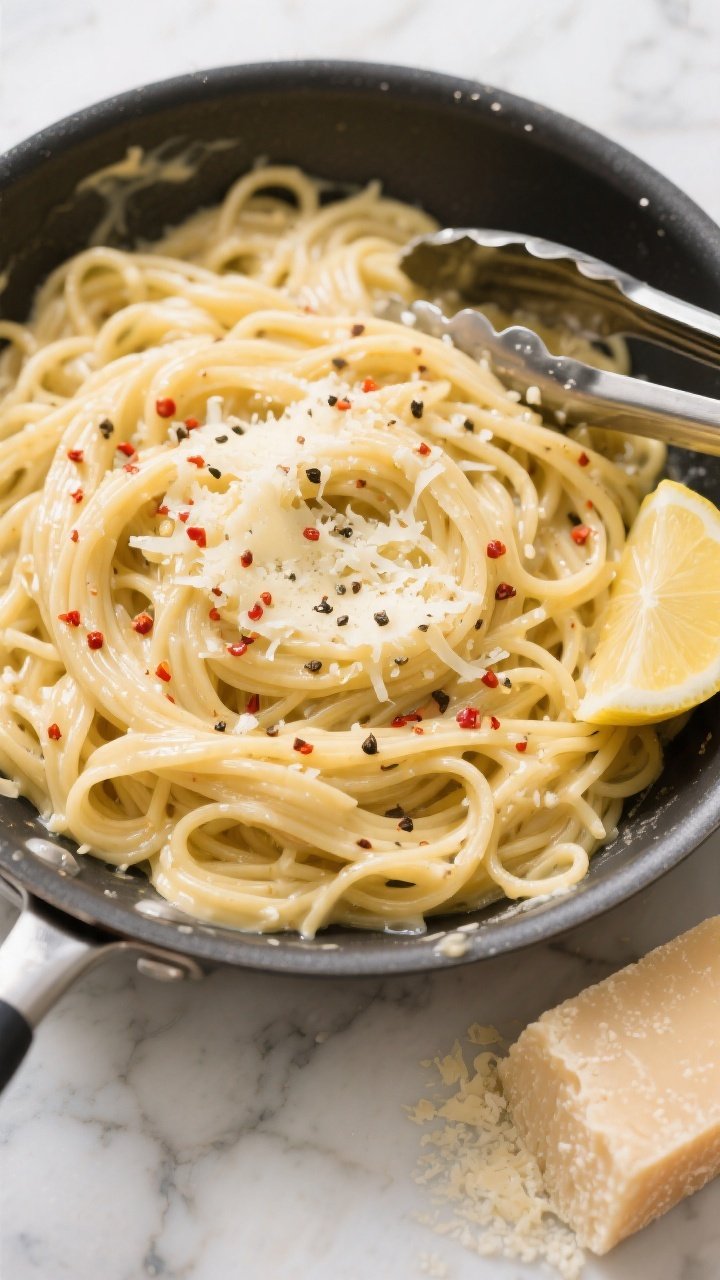
This is the kind of pasta you make when you want something warm, cozy, and satisfying without a long grocery list or complicated steps. It’s silky, buttery, full of garlicky aroma, and finished with a generous snowfall of Parmesan. Every bite tastes like comfort, but it still feels light enough for a weeknight meal.
FREE 7-Day Easy Dinner Reset
Get 7 healthy, family-friendly dinners complete with recipes and simple meal plans delivered straight to your inbox.
You can keep it classic or dress it up with a few add-ins you already have. Either way, it’s ready fast and hits the spot every time.
Ingredients
Method
- Boil the pasta. Bring a large pot of well-salted water to a rolling boil. Add the pasta and cook until al dente (tender but with a bite). Reserve about 1 cup of starchy pasta water before draining.
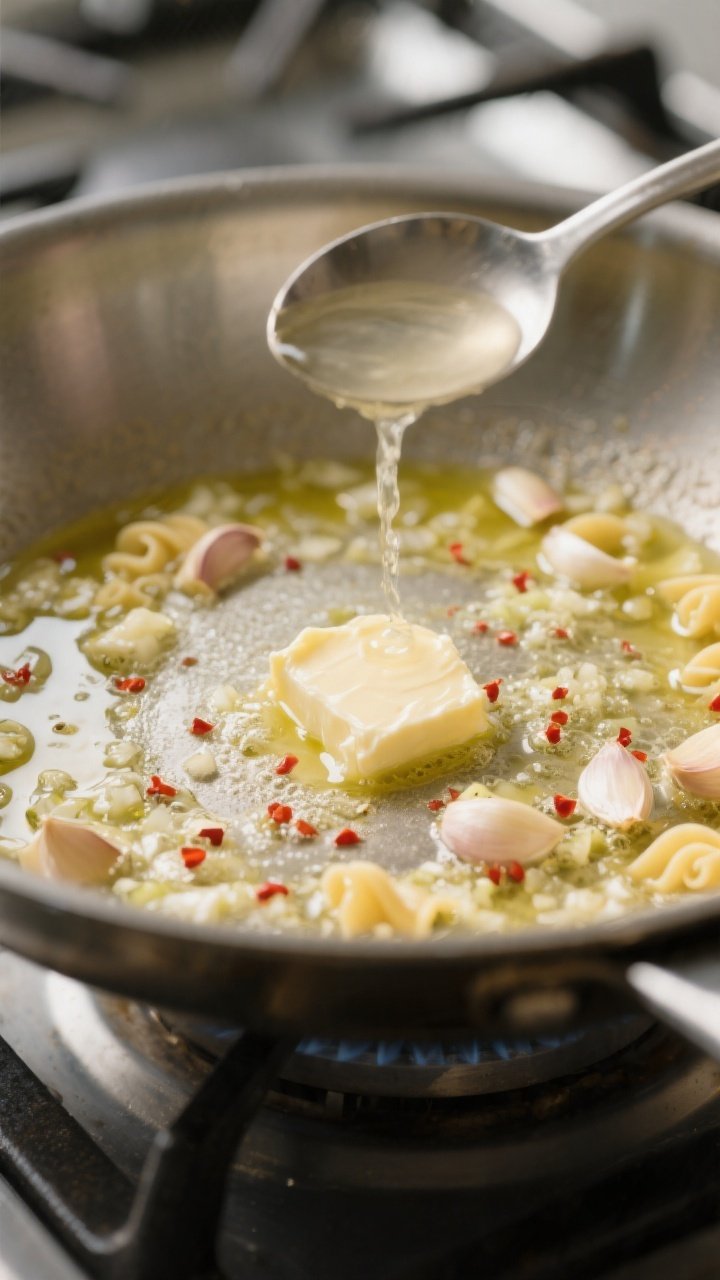
- Start the sauce base. While the pasta cooks, heat a large skillet over medium heat. Add the olive oil and butter. Let the butter melt gently until foamy but not browned.
- Bloom the garlic. Add the minced garlic and a pinch of red pepper flakes if using. Cook 60–90 seconds, stirring, until fragrant and just soft. Don’t brown the garlic—if it’s browning, lower the heat.
- Emulsify with pasta water. Ladle in 1/2 cup hot pasta water to the skillet and swirl. You’ll see the liquid become slightly creamy as it blends with the butter.
- Toss the pasta. Add the drained pasta directly to the skillet. Use tongs to toss and coat, adding more pasta water a splash at a time until the strands look glossy and lightly sauced.
- Add Parmesan off the heat. Turn off the heat, then sprinkle in the grated Parmesan in small handfuls, tossing as you go. Keep the pan off direct heat to prevent clumping. Add more pasta water if needed to keep it silky.
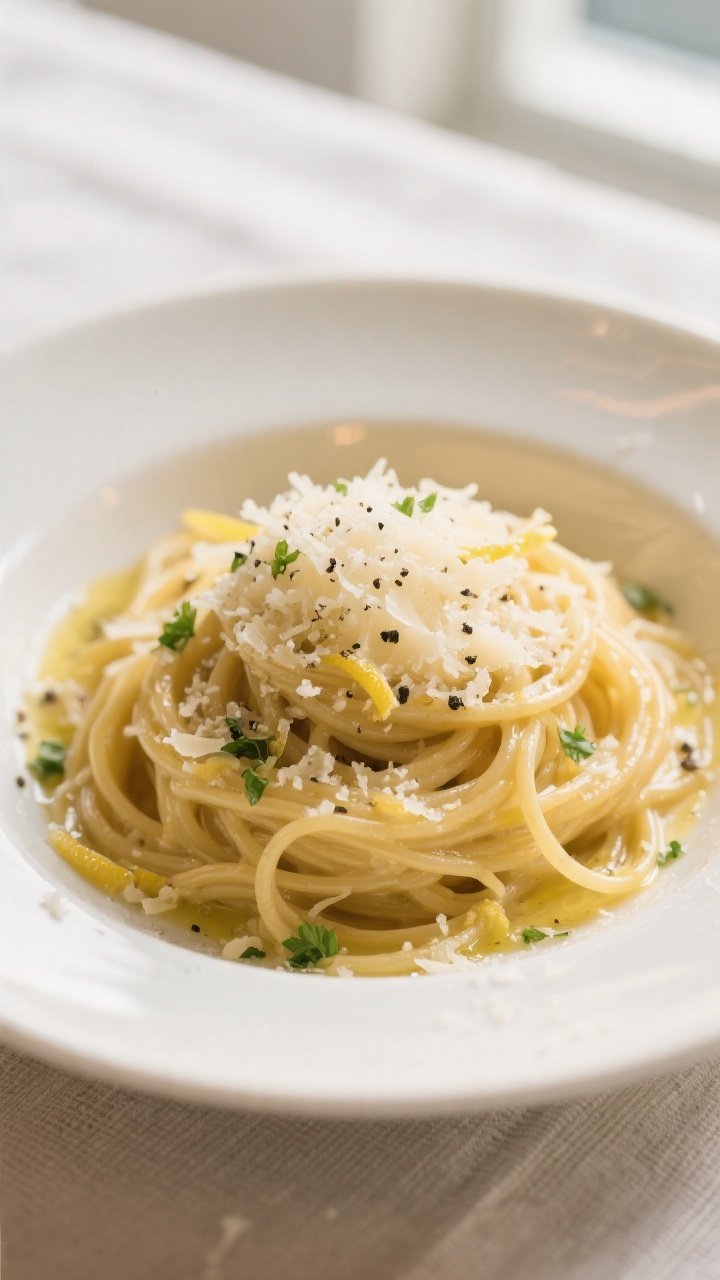
- Season and finish. Taste and add salt if needed (the cheese is salty, so check first). Grind in black pepper. Add lemon zest or a quick squeeze of juice for brightness if you like. Toss in herbs for a fresh finish.
- Serve immediately. Twirl into warm bowls, top with extra Parmesan, and eat while hot and glossy.
What Makes This Special
Garlic butter pasta is beloved for a reason: it turns a handful of pantry staples into a restaurant-quality bowl. The magic comes from how the starchy pasta water emulsifies with butter and cheese, creating a glossy sauce that clings to every strand.
With fresh garlic cooked just enough to soften and bloom, the flavor is mellow, not harsh. It’s a simple foundation that welcomes extras, but it never needs them to shine.
Shopping List
- Pasta: 12 ounces spaghetti, linguine, or fettuccine
- Unsalted butter: 6 tablespoons (use good butter if you can)
- Extra-virgin olive oil: 1 tablespoon (helps prevent burning and adds flavor)
- Garlic: 5–6 cloves, finely minced or grated
- Parmesan cheese: 1 cup, freshly grated (plus extra for serving)
- Pasta water (reserved): About 1 cup
- Salt: For the pasta water and seasoning
- Black pepper: Freshly ground
- Red pepper flakes: Optional, for a little heat
- Fresh parsley or chives: Optional, chopped for garnish
- Lemon: Optional, for zest or a squeeze of juice
Instructions
- Boil the pasta. Bring a large pot of well-salted water to a rolling boil. Add the pasta and cook until al dente (tender but with a bite).
Reserve about 1 cup of starchy pasta water before draining.
- Start the sauce base. While the pasta cooks, heat a large skillet over medium heat. Add the olive oil and butter. Let the butter melt gently until foamy but not browned.
- Bloom the garlic. Add the minced garlic and a pinch of red pepper flakes if using.
Cook 60–90 seconds, stirring, until fragrant and just soft. Don’t brown the garlic—if it’s browning, lower the heat.
- Emulsify with pasta water. Ladle in 1/2 cup hot pasta water to the skillet and swirl. You’ll see the liquid become slightly creamy as it blends with the butter.
- Toss the pasta. Add the drained pasta directly to the skillet. Use tongs to toss and coat, adding more pasta water a splash at a time until the strands look glossy and lightly sauced.
- Add Parmesan off the heat. Turn off the heat, then sprinkle in the grated Parmesan in small handfuls, tossing as you go. Keep the pan off direct heat to prevent clumping.
Add more pasta water if needed to keep it silky.
- Season and finish. Taste and add salt if needed (the cheese is salty, so check first). Grind in black pepper. Add lemon zest or a quick squeeze of juice for brightness if you like.
Toss in herbs for a fresh finish.
- Serve immediately. Twirl into warm bowls, top with extra Parmesan, and eat while hot and glossy.
Keeping It Fresh
Garlic butter pasta is best right away when the sauce is at peak silkiness. If you have leftovers, store them in an airtight container in the fridge for up to 2 days. To reheat, add a splash of water and warm gently in a skillet over low heat, stirring until the sauce loosens and returns to life.
Avoid microwaving on high, which can make the cheese turn greasy. A quick reheat with moisture is the key.
Benefits of This Recipe
- Quick and easy: From start to finish, you’re looking at 20 minutes or less.
- Pantry-friendly: Butter, garlic, pasta, and cheese—simple staples that you likely have on hand.
- Customizable: It plays well with veggies, protein, or spices, so it’s easy to adapt.
- Comforting yet elegant: Smooth, garlicky, and restaurant-worthy without the fuss.
- Budget-friendly: Low-cost ingredients that still feel special.
Pitfalls to Watch Out For
- Burning the garlic: This turns the sauce bitter. Keep the heat medium and move fast once the garlic hits the pan.
- Skipping the pasta water: The starch is what makes the sauce creamy.
Always reserve some before you drain.
- Adding cheese over high heat: Cheese can clump or turn grainy if overheated. Take the pan off the burner before stirring it in.
- Undersalting the water: The pasta water should taste like the sea. It’s where most of the seasoning comes from.
- Too much sauce, not enough toss: Add water gradually and toss continuously so the sauce clings without pooling.
Variations You Can Try
- Lemony herb version: Add extra lemon zest, a squeeze of juice, and a handful of chopped parsley and chives.
- Garlic confit twist: Use a few cloves of soft garlic confit and a spoon of the infused oil for a deeper, sweeter garlic flavor.
- Veggie boost: Toss in sautéed mushrooms, roasted cherry tomatoes, or wilted spinach.
Peas are great for sweetness and color.
- Protein add-ons: Pan-seared shrimp, rotisserie chicken, or crispy pancetta make it more substantial.
- Nutty note: Brown the butter slightly before adding garlic for a toasted, nutty aroma—just be careful not to burn the garlic afterward.
- Heat lovers: Use more red pepper flakes or a pinch of Calabrian chili paste for a kick.
- Cheese swap: Try Pecorino Romano for a sharper, saltier edge, or mix it with Parmesan.
- Gluten-free option: Use a quality gluten-free spaghetti and reserve that pasta water too; it still helps emulsify.
FAQ
Can I use pre-grated Parmesan?
You can, but freshly grated cheese melts more smoothly and tastes better. Pre-grated often has anti-caking agents that can make the sauce less creamy.
Never Wonder What's For Dinner Again
Get 7 healthy, family-friendly dinners complete with recipes, grocery lists, and simple meal plans delivered straight to your inbox.
What pasta shape works best?
Long strands like spaghetti, linguine, or fettuccine are classic because they twirl and hold the sauce well. Short shapes like penne or rigatoni also work—just toss thoroughly so the sauce gets into every nook.
How much salt should I add to the pasta water?
A good rule is 1–1.5 tablespoons of kosher salt per 4 quarts of water.
It should taste pleasantly salty, like the sea. This seasons the pasta from the inside out.
Can I make it ahead?
It’s best made fresh. If you need to prep, you can mince the garlic and grate the cheese in advance.
Cook and combine right before serving for the best texture.
How do I avoid greasy or clumpy sauce?
Use starchy pasta water, remove the pan from heat before adding cheese, and add the cheese gradually while tossing. If it tightens up, add a splash of warm pasta water to loosen.
Is there a way to make it lighter?
Use a bit less butter and add a touch more pasta water and lemon juice. You’ll still get a silky sauce with a brighter finish.
What if I only have salted butter?
That’s fine—just go lighter on additional salt.
Taste as you go, especially after adding the Parmesan.
Can I use garlic powder instead of fresh garlic?
Fresh garlic gives the best aroma and flavor. In a pinch, you can use 1/2 to 1 teaspoon garlic powder added with the pasta water, but it won’t have the same depth.
How do I add shrimp without overcooking it?
Season shrimp with salt and pepper, then sear in a separate pan with a little butter or oil for 1–2 minutes per side. Fold into the pasta at the end so it stays tender.
What wine pairs well with this?
A crisp white like Pinot Grigio, Sauvignon Blanc, or a light Chardonnay pairs nicely.
If you prefer red, try a light-bodied option like Pinot Noir.
In Conclusion
Garlic Butter Pasta with Parmesan proves that simple ingredients can deliver big comfort. With a little technique—salty water, gentle heat, and starchy emulsification—you’ll get a glossy, garlicky sauce that feels elegant and effortless. Keep it classic or spin it with veggies, protein, or herbs.
Either way, it’s the kind of dish you’ll make again and again, because it always tastes like home and it never takes long.
Printable Recipe Card
Want just the essential recipe details without scrolling through the article? Get our printable recipe card with just the ingredients and instructions.
Loved This Recipe?
If you're looking for more simple, healthy dinners your family will actually eat, grab my FREE 7-Day Easy Dinner Reset. You'll get 7 easy dinner recipes, simple grocery lists, and a done-for-you plan that takes the stress out of mealtime.