High Protein Low Carb Lemon Protein Cheesecake – Bright, Creamy, and Satisfying
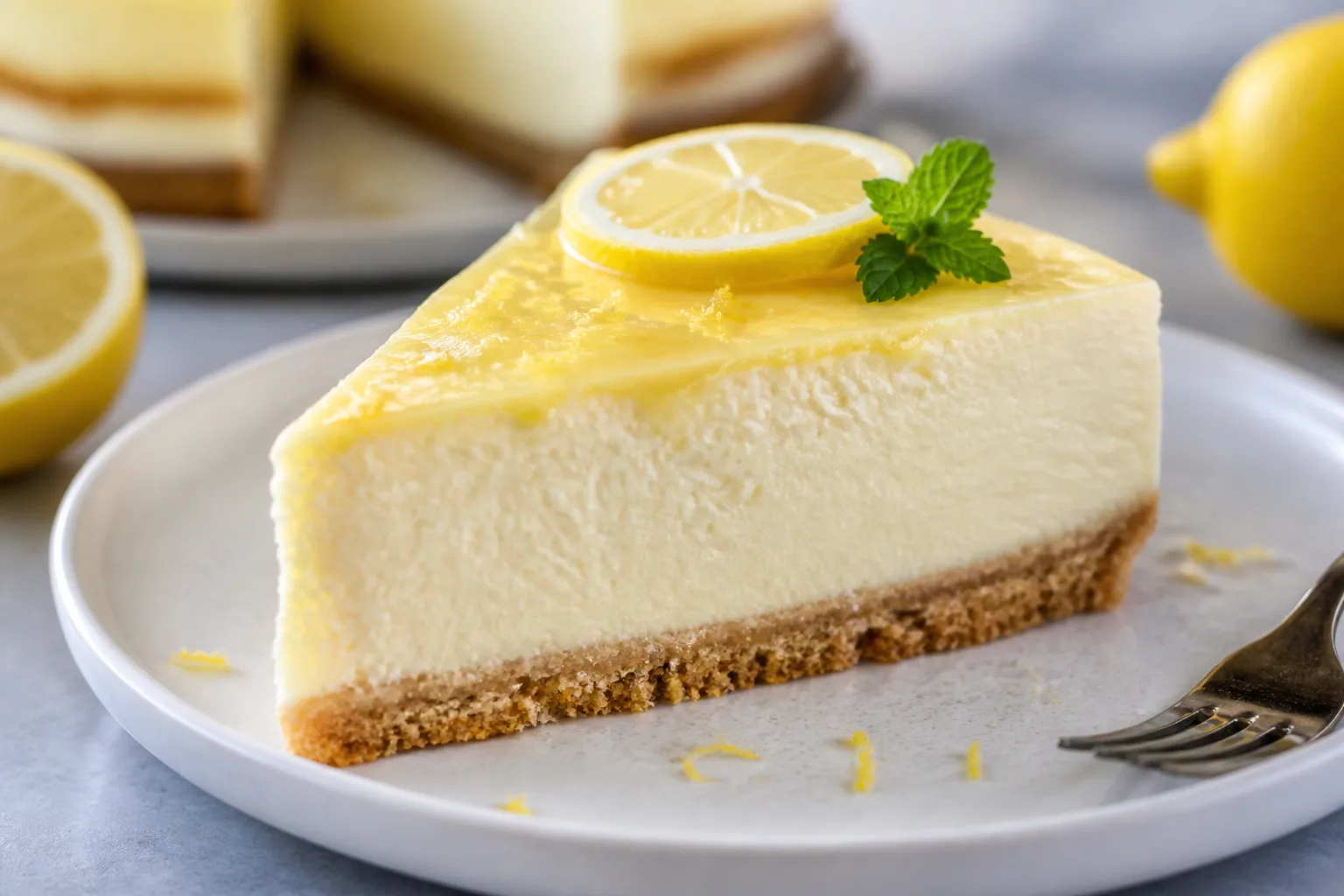
Light, creamy, and full of bright citrus flavor, this High Protein Low Carb Lemon Protein Cheesecake is a smart treat you can actually feel good about eating. It hits that classic cheesecake texture while keeping carbs in check and protein high. If you’re craving dessert without the sugar crash, this one checks every box.
FREE 7-Day Easy Dinner Reset
Get 7 healthy, family-friendly dinners complete with recipes and simple meal plans delivered straight to your inbox.
It’s simple to make, budget-friendly, and easy to customize to your tastes. One slice is perfect after dinner, as a midday pick-me-up, or even as a high-protein breakfast on busy days.
High Protein Low Carb Lemon Protein Cheesecake - Bright, Creamy, and Satisfying
Ingredients
Method
- Prep your pan and oven. Heat oven to 325°F (163°C). Line the bottom of a 9-inch springform pan with parchment paper. Lightly grease the sides. This makes release easy and prevents sticking.
- Make the crust. In a bowl, mix 1 1/2 cups almond flour, 2 tablespoons granulated low-carb sweetener, a pinch of salt, and 4 tablespoons melted butter. Stir until it looks like damp sand and holds when pressed.
- Press and pre-bake. Press the crust evenly into the pan. Bake for 8–10 minutes until just set and lightly golden at the edges. Cool while you make the filling.
- Soften and whip the cream cheese. In a large bowl, beat 16 ounces light cream cheese with a hand mixer on medium until completely smooth, about 1–2 minutes. No lumps makes for a silkier cheesecake.
- Add sweetener and flavor. Beat in 2/3 cup powdered low-carb sweetener, 1 teaspoon vanilla, the zest of 2 lemons, and 1/4 cup fresh lemon juice. Mix until smooth and fluffy.
- Add Greek yogurt and protein. Mix in 1 cup plain 2% Greek yogurt and 1/2 cup protein powder until fully combined. If using, blend in 1 tablespoon cornstarch or arrowroot for extra stability.
- Finish with eggs. Add 3 large eggs, one at a time, mixing on low speed just until each is incorporated. Avoid overmixing; it can add air and cause cracks.
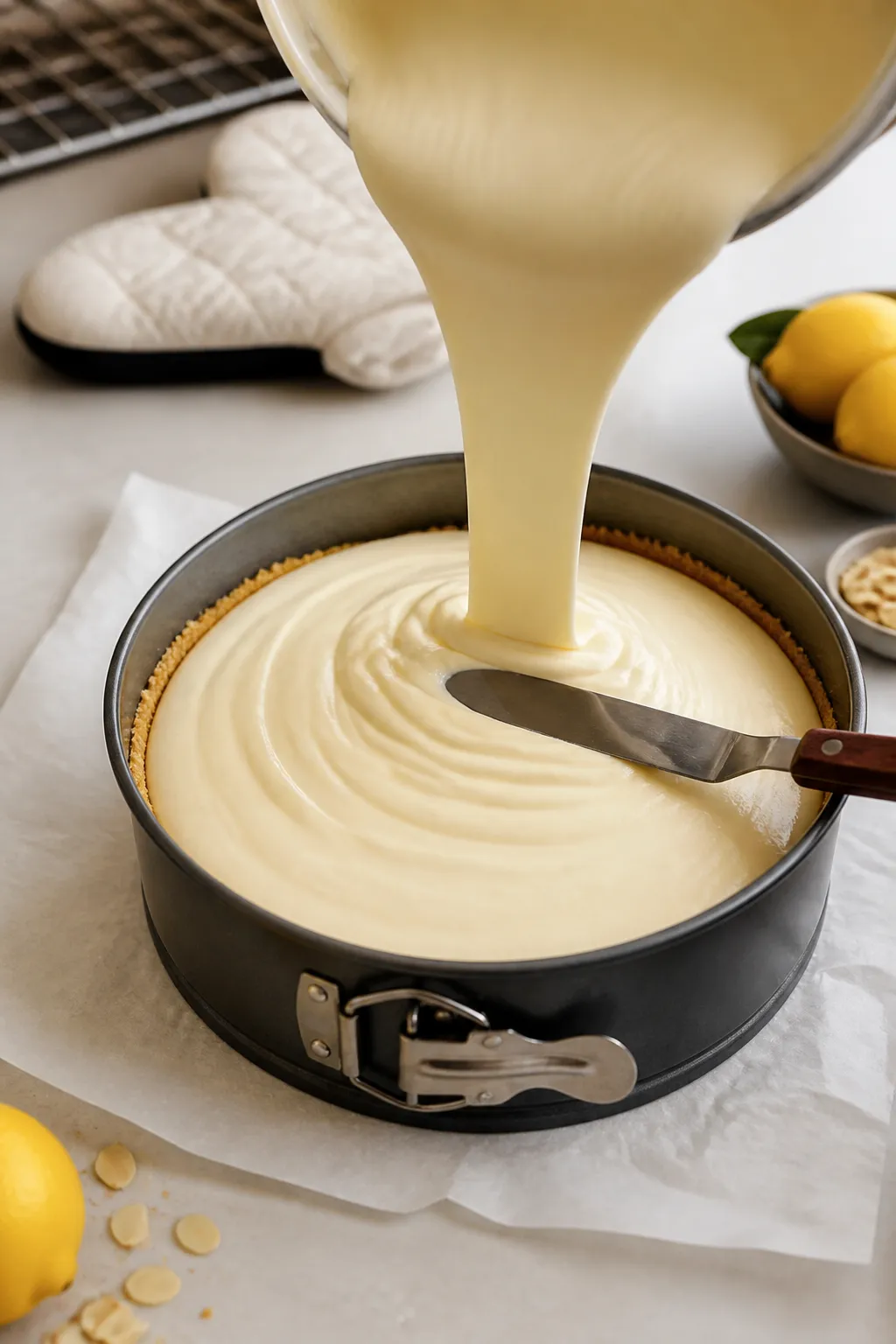
- Fill and smooth. Pour the filling over the cooled crust. Tap the pan gently on the counter to pop any air bubbles. Smooth the top with a spatula.
- Bake gently. Bake at 325°F (163°C) for 35–45 minutes. The edges should be set and the center should still jiggle slightly like gelatin. Do not overbake.
- Cool gradually. Turn off the oven, crack the door, and let the cheesecake sit for 30 minutes. Then move it to a wire rack and cool to room temperature.
- Chill completely. Cover and chill at least 6 hours, preferably overnight. This sets texture and makes slicing clean and easy.
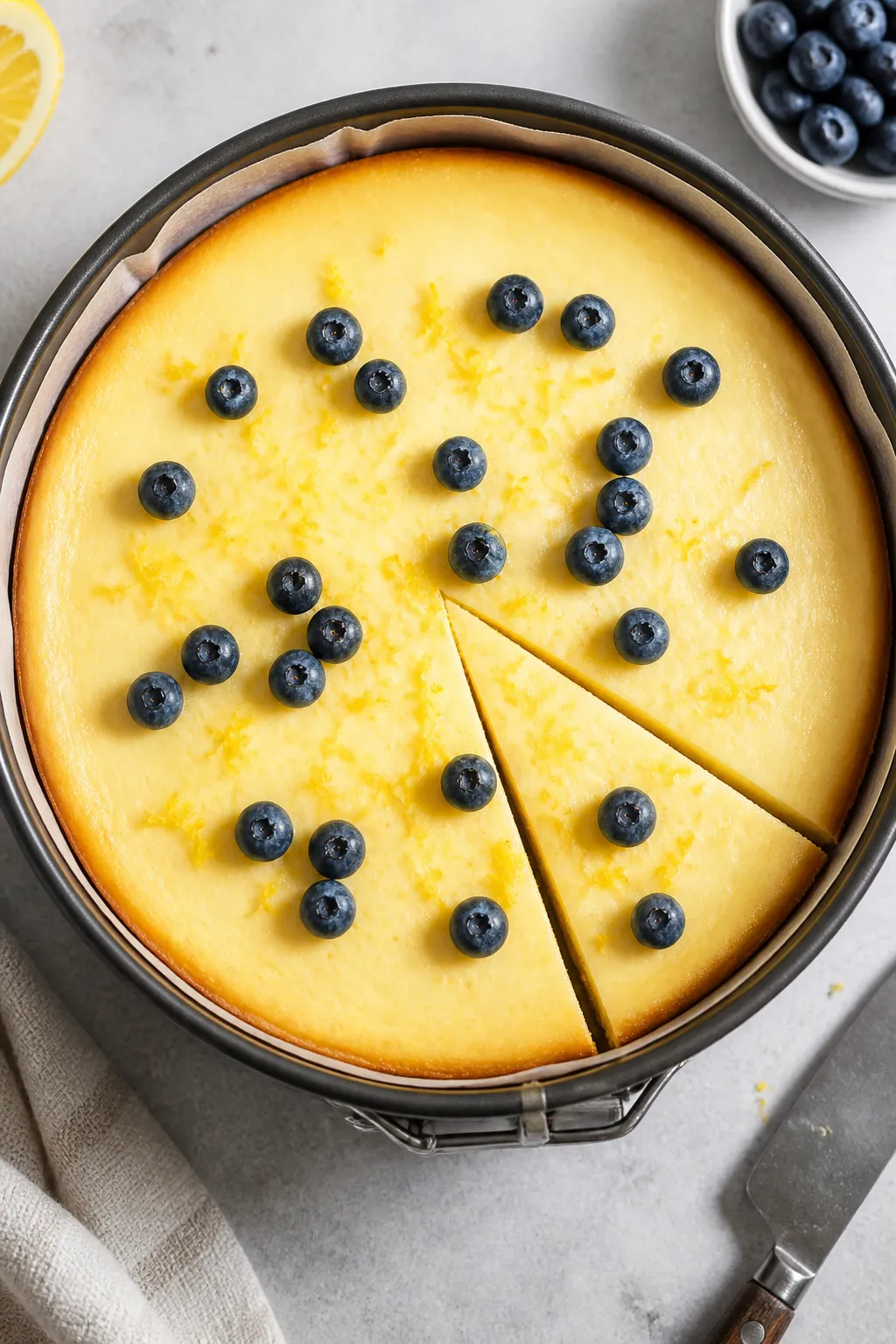
- Serve. Run a thin knife around the edge before releasing the springform. Slice with a hot, dry knife for tidy pieces. Optional garnish: extra lemon zest or a few fresh berries.
Why This Recipe Works
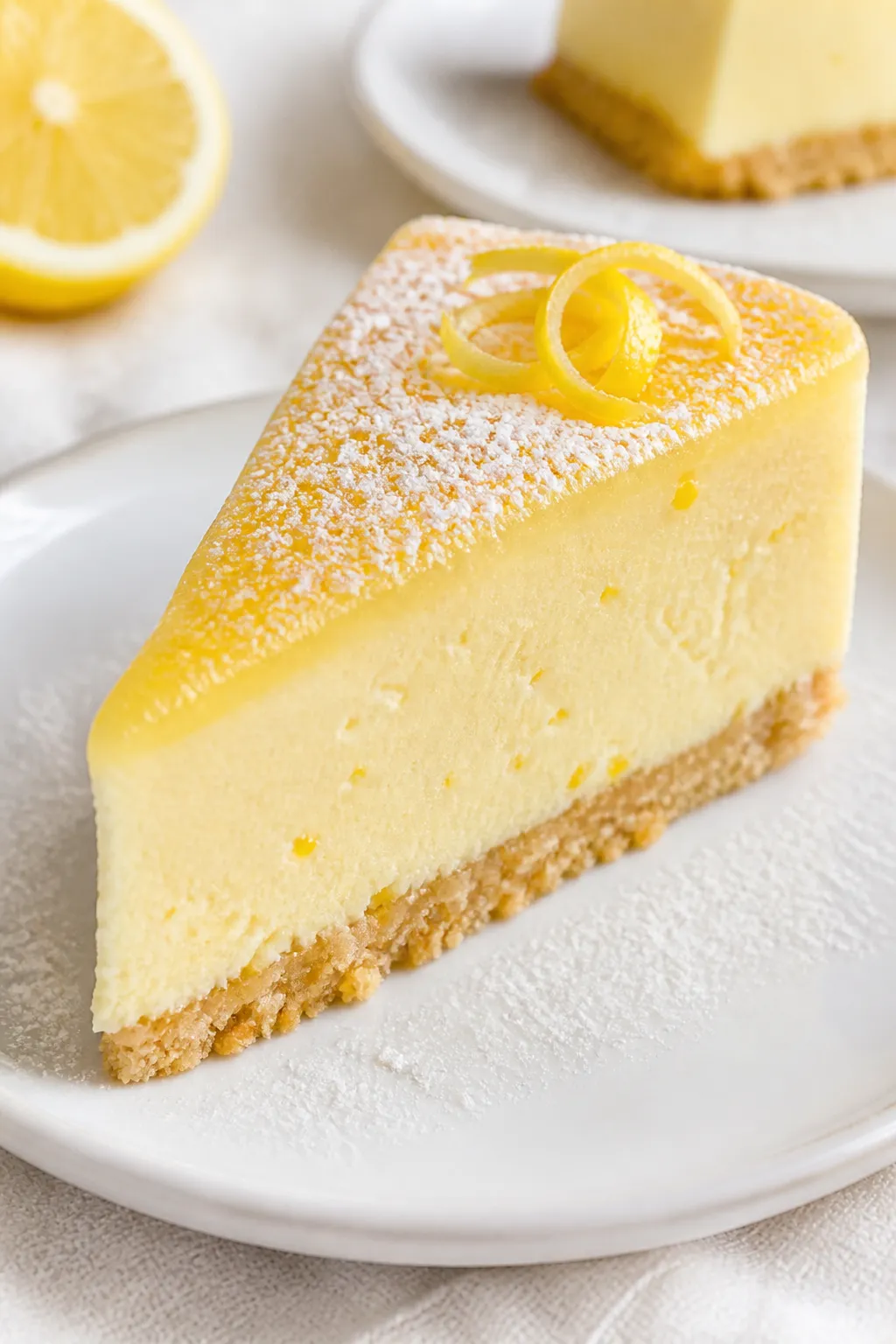
This cheesecake balances creamy dairy with tangy lemon and a subtle sweetness from low-carb sweetener. The trick is using Greek yogurt and light cream cheese to keep fat reasonable and protein high without losing that silky, rich mouthfeel.
A splash of fresh lemon juice and zest cuts through the richness, so it never tastes heavy. Using whey or casein protein powder helps set the filling and adds structure, giving you clean slices and a custard-like bite.
We skip a traditional graham cracker crust to keep carbs low. Instead, a simple almond flour crust adds a nutty, buttery base that pairs perfectly with lemon.
The bake is gentle and forgiving, meaning you don’t need a water bath or fancy techniques to get a smooth top and tender center.
Shopping List
- Almond flour – for the low-carb crust
- Unsalted butter – melted, to bind the crust
- Granulated allulose or erythritol/monk fruit blend – low-carb sweetener
- Fine sea salt – a pinch for balance
- Light cream cheese – softened to room temperature
- Plain 2% Greek yogurt – adds protein and creaminess
- Whey or casein vanilla protein powder – unflavored works too; pick one you like
- Large eggs – at room temperature
- Fresh lemons – for juice and zest
- Pure vanilla extract
- Powdered low-carb sweetener – for smoother texture in the filling
- Optional: Cornstarch or arrowroot – just 1 tablespoon for extra stability (adds minimal carbs)
Step-by-Step Instructions
- Prep your pan and oven. Heat oven to 325°F (163°C). Line the bottom of a 9-inch springform pan with parchment paper. Lightly grease the sides.
This makes release easy and prevents sticking.
- Make the crust. In a bowl, mix 1 1/2 cups almond flour, 2 tablespoons granulated low-carb sweetener, a pinch of salt, and 4 tablespoons melted butter. Stir until it looks like damp sand and holds when pressed.
- Press and pre-bake. Press the crust evenly into the pan. Bake for 8–10 minutes until just set and lightly golden at the edges.
Cool while you make the filling.
- Soften and whip the cream cheese. In a large bowl, beat 16 ounces light cream cheese with a hand mixer on medium until completely smooth, about 1–2 minutes. No lumps makes for a silkier cheesecake.
- Add sweetener and flavor. Beat in 2/3 cup powdered low-carb sweetener, 1 teaspoon vanilla, the zest of 2 lemons, and 1/4 cup fresh lemon juice. Mix until smooth and fluffy.
- Add Greek yogurt and protein. Mix in 1 cup plain 2% Greek yogurt and 1/2 cup protein powder until fully combined.
If using, blend in 1 tablespoon cornstarch or arrowroot for extra stability.
- Finish with eggs. Add 3 large eggs, one at a time, mixing on low speed just until each is incorporated. Avoid overmixing; it can add air and cause cracks.
- Fill and smooth. Pour the filling over the cooled crust. Tap the pan gently on the counter to pop any air bubbles.
Smooth the top with a spatula.
- Bake gently. Bake at 325°F (163°C) for 35–45 minutes. The edges should be set and the center should still jiggle slightly like gelatin. Do not overbake.
- Cool gradually. Turn off the oven, crack the door, and let the cheesecake sit for 30 minutes.
Then move it to a wire rack and cool to room temperature.
- Chill completely. Cover and chill at least 6 hours, preferably overnight. This sets texture and makes slicing clean and easy.
- Serve. Run a thin knife around the edge before releasing the springform. Slice with a hot, dry knife for tidy pieces.
Optional garnish: extra lemon zest or a few fresh berries.
How to Store
Refrigerator: Store covered in the springform pan or in an airtight container for up to 5 days. Keep it cold for the best texture and food safety.
Freezer: Slice, wrap each piece tightly, and freeze for up to 2 months. Thaw overnight in the fridge or at room temperature for 30–45 minutes before serving.
Meal prep tip: Portion into individual containers.
Add lemon zest and a few blueberries right before eating for a fresh touch.
Why This is Good for You
- High protein from Greek yogurt, cream cheese, and protein powder supports satiety, recovery, and steady energy.
- Lower carb thanks to almond flour and low-carb sweeteners, which help minimize blood sugar spikes.
- Healthy fats from almonds and dairy make each slice satisfying and help keep cravings at bay.
- Vitamin C from fresh lemon juice and zest adds brightness and supports immune health.
Pitfalls to Watch Out For
- Overmixing the batter: Too much air leads to cracks. Mix on low, especially after adding eggs.
- Overbaking: If the center is fully set in the oven, it’s overdone. Look for a slight jiggle.
- Skipping the chill: Warm cheesecake tastes loose and can seem grainy.
Chilling is non-negotiable.
- Using cold ingredients: Cold cream cheese won’t whip smooth. Bring dairy and eggs to room temp first.
- Too much lemon juice: Extra acid can thin the batter. Stick to the amounts, and lean on zest for bigger lemon flavor.
Variations You Can Try
- Lemon Blueberry: Fold 1/2 cup fresh blueberries into the batter, or swirl 2 tablespoons sugar-free blueberry jam on top before baking.
- Lemon Ricotta: Swap half the Greek yogurt for part-skim ricotta for an Italian-style texture—slightly lighter and very creamy.
- Meyer Lemon: Use Meyer lemons for a sweeter, floral note.
Reduce sweetener slightly if your protein powder is sweet.
- No-Bake Shortcut: Skip the crust and bake. Or make a no-bake version by using gelatin (1 packet bloomed in 1/4 cup water) and chilling in a pie dish.
- Crustless: Spray a pie dish, pour in filling, and bake as directed. Cuts calories and carbs even further.
- Vanilla Almond: Reduce lemon to 2 tablespoons juice and 1 teaspoon zest; add 1/2 teaspoon almond extract for a bakery-style twist.
Never Wonder What's For Dinner Again
Get 7 healthy, family-friendly dinners complete with recipes, grocery lists, and simple meal plans delivered straight to your inbox.
FAQ
Can I use fat-free Greek yogurt?
Yes, but the texture will be slightly less creamy.
If you go fat-free, consider adding the optional tablespoon of cornstarch or arrowroot for stability, and don’t overbake.
What kind of protein powder works best?
Whey isolate blends smoothly and sets softly. Casein gives a denser, more custardy slice. A whey-casein blend is a great middle ground.
Choose vanilla or unflavored with a taste you actually enjoy.
How do I prevent cracks without a water bath?
Use room-temperature ingredients, avoid overmixing, bake at a moderate heat, and cool gradually in the oven with the door cracked. Small surface cracks are cosmetic and won’t affect taste.
Can I make it sweeter?
Yes. Add an extra 2–3 tablespoons powdered sweetener to the filling, or serve with a drizzle of sugar-free lemon syrup.
Taste the batter before adding eggs to adjust sweetness.
Is almond flour necessary for the crust?
No. You can swap with finely ground pecans or walnuts for a similar low-carb result. If nuts are an issue, try sunflower seed flour.
How many servings does this make?
Typically 10–12 slices, depending on how generous you cut them.
For macros, weigh your finished cheesecake and divide by the number of slices for accurate tracking.
Can I use bottled lemon juice?
Fresh is best. Bottled juice can taste flat or bitter. If you must use bottled, increase the zest for brighter flavor and start with a smaller amount, then taste and adjust.
What if I don’t have a springform pan?
A 9-inch deep pie dish or square baking pan works.
Line with parchment, leaving overhang for easy lifting. Baking time may vary slightly.
Wrapping Up
This High Protein Low Carb Lemon Protein Cheesecake brings classic dessert joy with a smart, macro-friendly twist. It’s simple to make, bright with citrus, and sturdy enough to slice and store for the week.
Keep the basics the same—gentle bake, slow cool, full chill—and tweak flavors to match your mood. When you want something sweet that still fits your goals, this cheesecake delivers every time.
Printable Recipe Card
Want just the essential recipe details without scrolling through the article? Get our printable recipe card with just the ingredients and instructions.
Loved This Recipe?
If you're looking for more simple, healthy dinners your family will actually eat, grab my FREE 7-Day Easy Dinner Reset. You'll get 7 easy dinner recipes, simple grocery lists, and a done-for-you plan that takes the stress out of mealtime.