High Protein Low Carb Almond Butter Protein Cookies – Soft, Chewy, and Satisfying
These cookies hit the sweet spot between a treat and a smart snack. They’re soft, chewy, and naturally gluten-free, with just enough sweetness to feel indulgent. Almond butter keeps them rich and nutty, while whey or plant protein bumps up the protein without adding extra carbs.
FREE 7-Day Easy Dinner Reset
Get 7 healthy, family-friendly dinners complete with recipes and simple meal plans delivered straight to your inbox.
If you want a quick bake you can enjoy after a workout, with coffee, or as a late-night snack, these cookies deliver. Best of all, they come together in one bowl and bake in under 15 minutes.
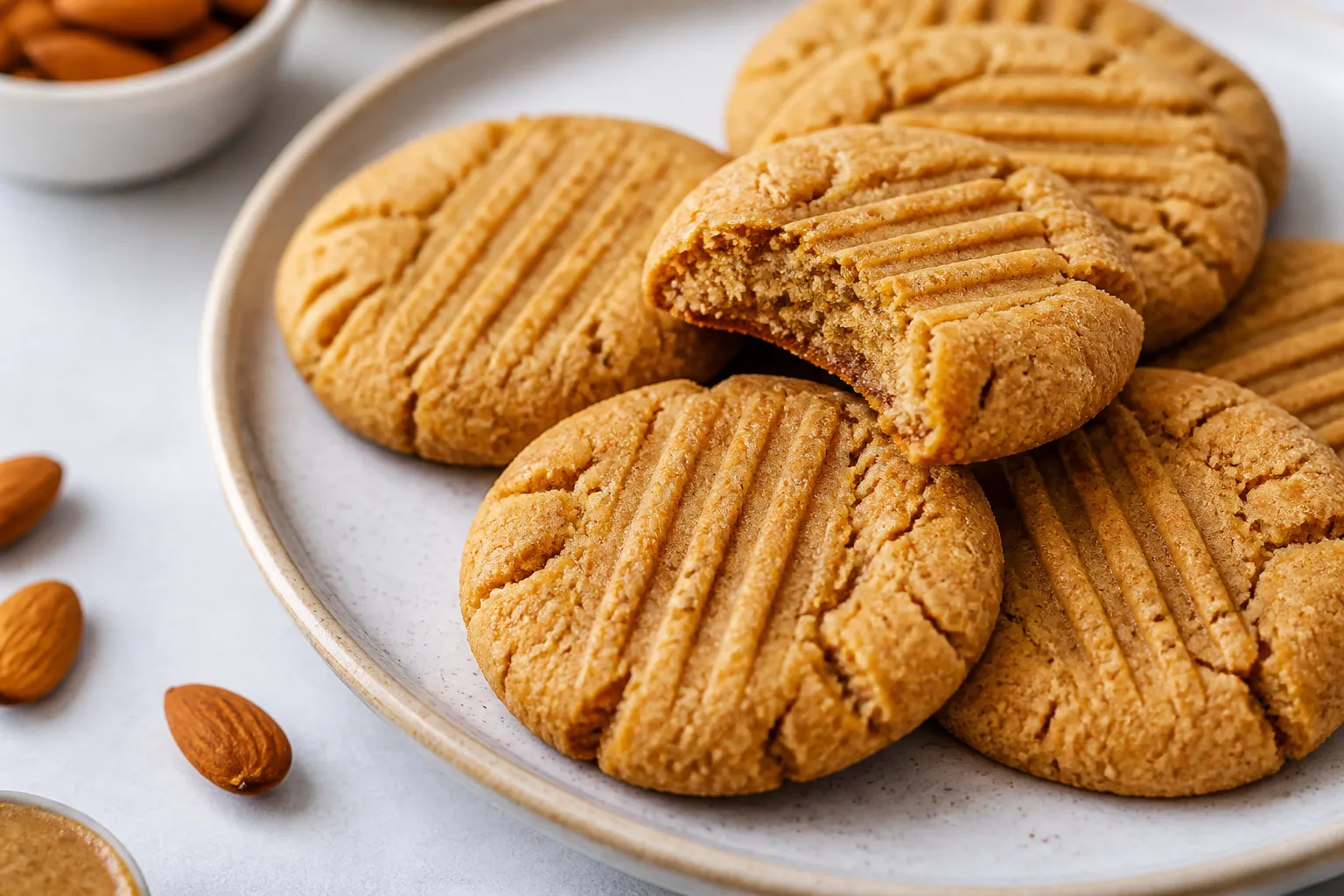
High Protein Low Carb Almond Butter Protein Cookies - Soft, Chewy, and Satisfying
Ingredients
Method
- Prep your oven and pan: Preheat the oven to 350°F (175°C). Line a baking sheet with parchment paper or a silicone mat to prevent sticking.
- Stir the almond butter: Make sure your almond butter is smooth and fully combined. If it’s very firm, warm it gently in the microwave for 15–20 seconds to loosen it.
- Whisk the wet ingredients: In a medium bowl, whisk the egg, melted coconut oil or butter, vanilla, and sweetener until smooth.
- Add almond butter: Stir in the almond butter until the mixture looks thick and glossy.
- Combine dry ingredients: In a separate small bowl, mix protein powder, almond flour, baking powder, and salt. Break up any clumps for an even texture.
- Bring it all together: Add the dry mixture to the wet ingredients. Stir with a spatula until a soft, scoopable dough forms. If using mix-ins, fold them in now.
- Adjust consistency if needed: If the dough is too dry or crumbly, add 1–2 teaspoons almond milk or water. If too sticky, dust in 1–2 teaspoons more almond flour.
- Scoop and shape: Use a tablespoon or small cookie scoop to portion 12–14 cookies. Roll lightly into balls, then press to about 1/2-inch thick. These don’t spread much, so shape them how you want them to bake.
- Bake: Bake for 9–12 minutes, until the edges are set and the tops look just dry. They should still feel soft in the center.
- Cool: Let the cookies rest on the baking sheet for 5 minutes, then transfer to a rack to cool completely. They firm up as they cool.
What Makes This Recipe So Good
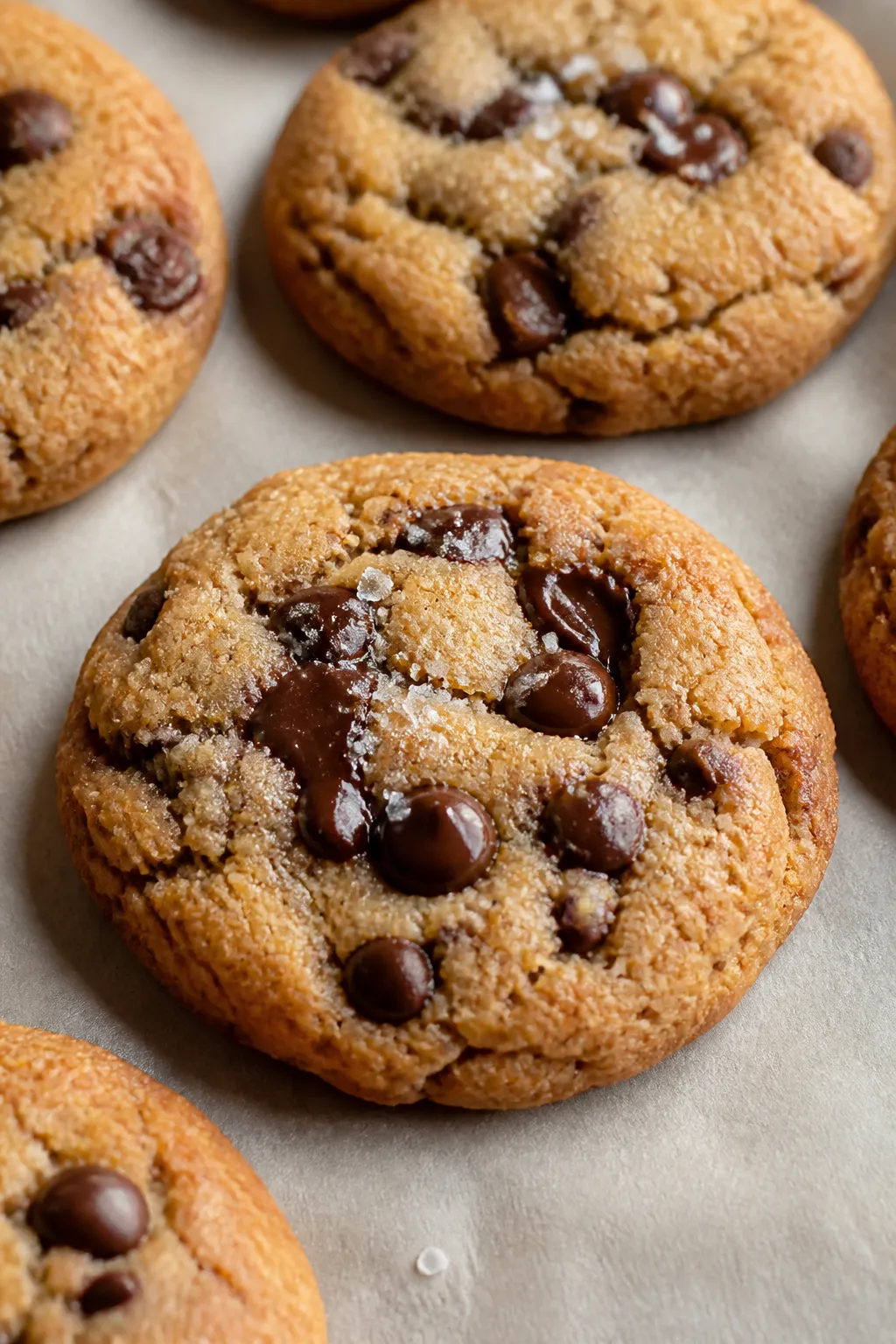
- High protein, low carb: Each cookie is designed to keep carbs modest while delivering a solid hit of protein to support recovery and satiety.
- One-bowl simplicity: Minimal cleanup and straightforward steps. No special equipment needed.
- Gluten-free and grain-free: Almond butter and almond flour replace wheat, making this a great option for gluten-free eaters.
- Customizable sweetness: Use a zero-calorie sweetener or a touch of maple syrup or coconut sugar based on your goals.
- Soft and chewy texture: A little almond flour and a well-chosen protein powder keep these cookies tender, not chalky.
What You’ll Need
- Almond butter: 1 cup, natural and well-stirred.
Choose a creamy, unsweetened variety.
- Protein powder: 1/2 cup. Whey isolate or a smooth plant blend (pea/rice). Vanilla or unflavored works best.
- Almond flour: 1/3 cup, finely ground (not almond meal) for tender crumbs.
- Sweetener: 1/3 cup.
Use a granular monk fruit/erythritol blend for low-carb, or coconut sugar/maple syrup for a more natural option.
- Egg: 1 large, room temperature, for structure and chew.
- Coconut oil or butter: 2 tablespoons, melted and slightly cooled, for moisture and richness.
- Vanilla extract: 1 teaspoon, for flavor.
- Baking powder: 1/2 teaspoon, to help with lift.
- Salt: 1/4 teaspoon, to balance sweetness and deepen flavor.
- Optional mix-ins: 2–3 tablespoons dark chocolate chips (sugar-free if needed), chopped almonds, or unsweetened shredded coconut.
How to Make It
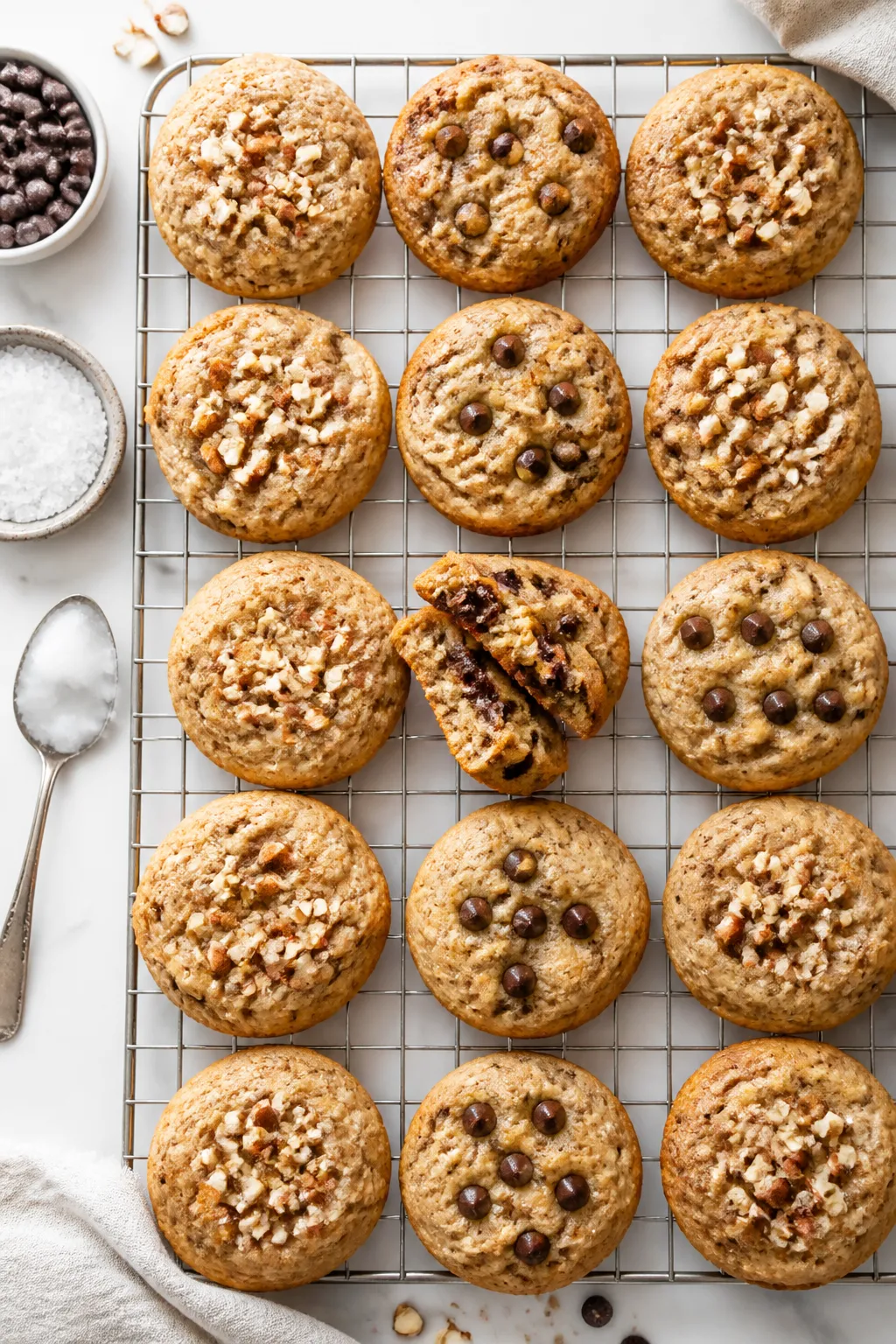
- Prep your oven and pan: Preheat the oven to 350°F (175°C). Line a baking sheet with parchment paper or a silicone mat to prevent sticking.
- Stir the almond butter: Make sure your almond butter is smooth and fully combined. If it’s very firm, warm it gently in the microwave for 15–20 seconds to loosen it.
- Whisk the wet ingredients: In a medium bowl, whisk the egg, melted coconut oil or butter, vanilla, and sweetener until smooth.
- Add almond butter: Stir in the almond butter until the mixture looks thick and glossy.
- Combine dry ingredients: In a separate small bowl, mix protein powder, almond flour, baking powder, and salt.
Break up any clumps for an even texture.
- Bring it all together: Add the dry mixture to the wet ingredients. Stir with a spatula until a soft, scoopable dough forms. If using mix-ins, fold them in now.
- Adjust consistency if needed: If the dough is too dry or crumbly, add 1–2 teaspoons almond milk or water.
If too sticky, dust in 1–2 teaspoons more almond flour.
- Scoop and shape: Use a tablespoon or small cookie scoop to portion 12–14 cookies. Roll lightly into balls, then press to about 1/2-inch thick. These don’t spread much, so shape them how you want them to bake.
- Bake: Bake for 9–12 minutes, until the edges are set and the tops look just dry.
They should still feel soft in the center.
- Cool: Let the cookies rest on the baking sheet for 5 minutes, then transfer to a rack to cool completely. They firm up as they cool.
How to Store
- Room temperature: Keep in an airtight container for up to 3 days. Add a small piece of parchment between layers to prevent sticking.
- Refrigerator: Store up to 1 week.
Chilling keeps them extra chewy and helps flavors meld.
- Freezer: Freeze for up to 2 months. Place in a single layer to freeze, then transfer to a bag. Thaw at room temp or warm for 10–15 seconds in the microwave.
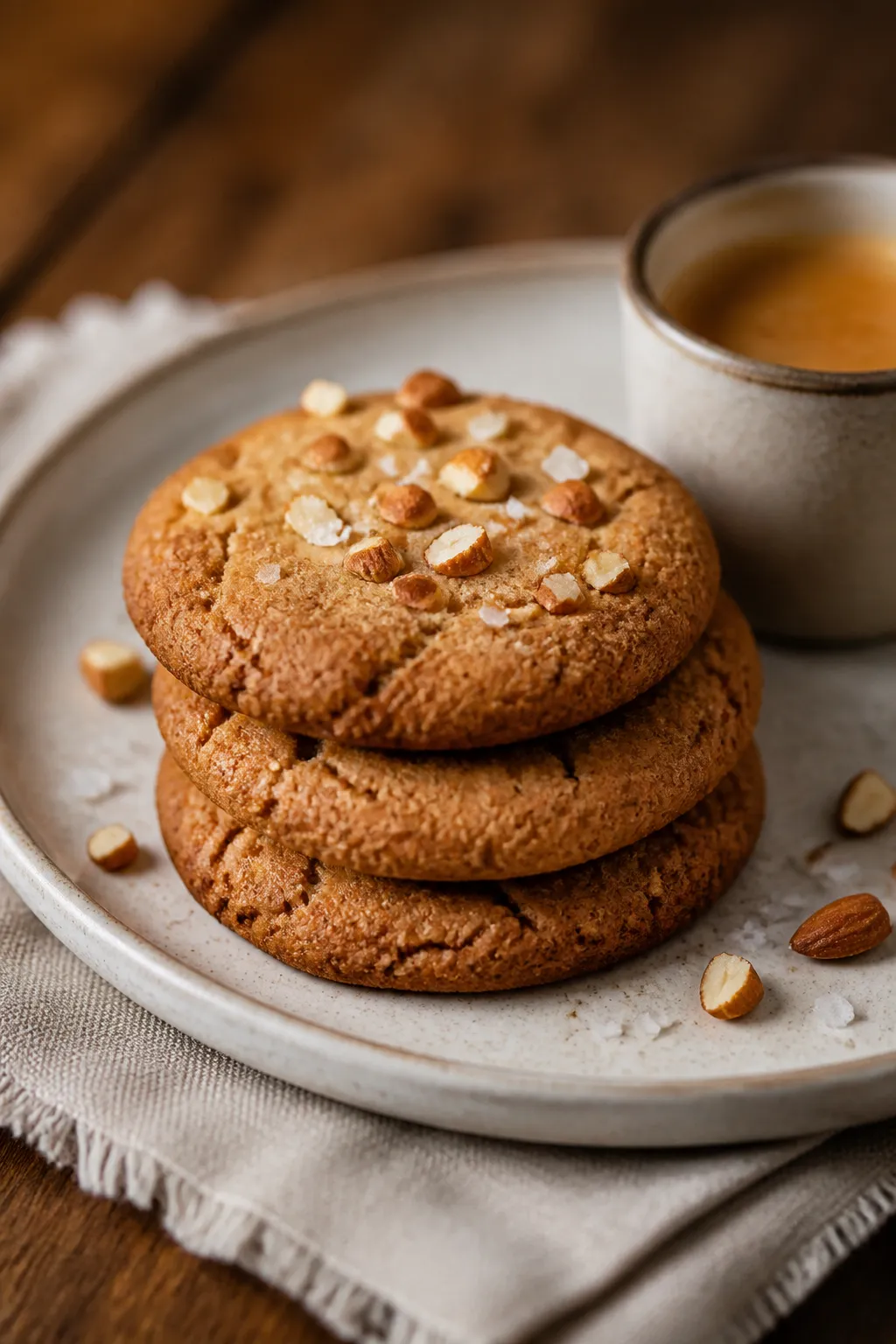
Health Benefits
- Protein for satiety and muscle support: The combo of almond butter and protein powder helps keep you full and supports recovery after workouts.
- Healthy fats from almonds: Monounsaturated fats support heart health and help stabilize energy levels.
- Lower in carbs than typical cookies: Using almond flour and low-carb sweeteners keeps sugars in check.
- Gluten-free by design: Great for those avoiding gluten, without sacrificing texture or flavor.
- Micronutrients: Almonds provide vitamin E, magnesium, and a bit of fiber for digestion.
What Not to Do
- Don’t overbake: These cookies dry out quickly if left in the oven too long.
Pull them when the centers still look soft.
- Don’t skip the salt: A small pinch sharpens flavor and balances any sweetener aftertaste.
- Don’t use gritty protein powders: Chalky or clumpy powders can ruin the texture. Choose a smooth, fine-milled option.
- Don’t expect them to spread: Shape them before baking; they’ll hold that shape in the oven.
- Don’t use almond meal: Coarse almond meal can make the cookies crumbly. Almond flour gives a better crumb.
Alternatives
- Protein powder swaps: Try whey isolate for a softer, cake-like texture or a pea/rice blend for a denser bite.
If using casein, add 1–2 teaspoons extra liquid.
- Sweetener options: For low carb, use a monk fruit–erythritol or allulose blend. For a more natural route, use coconut sugar or 2–3 tablespoons maple syrup; reduce coconut oil slightly if using liquid sweetener.
- Nut butter variations: Peanut butter works well and will be slightly sweeter. Cashew butter gives a mild, buttery taste.
Choose unsweetened to control carbs.
- Flavor boosts: Add 1/2 teaspoon cinnamon, a pinch of nutmeg, or orange zest. A sprinkle of flaky sea salt on top is excellent.
- Dairy-free: Use a plant-based protein and coconut oil. Check chocolate chips for dairy-free certification if using.
- Egg-free: Replace the egg with a flax egg (1 tablespoon ground flax + 3 tablespoons warm water, rested 5 minutes).
The texture will be slightly more tender.
FAQ
How much protein is in each cookie?
Never Wonder What's For Dinner Again
Get 7 healthy, family-friendly dinners complete with recipes, grocery lists, and simple meal plans delivered straight to your inbox.
Depending on your protein powder and size, you can expect around 6–9 grams per cookie for a batch of 12–14. Check your powder’s label and adjust serving size to hit your target.
Can I make these without sweetener?
Yes. The cookies will be less dessert-like but still tasty thanks to the almond butter and vanilla.
You can also reduce sweetener by half for a lightly sweet option.
Why are my cookies dry or crumbly?
They were likely overbaked or the protein powder absorbed too much moisture. Next time, bake 1–2 minutes less and add 1–2 teaspoons liquid to the dough. Make sure you’re using finely ground almond flour, not meal.
Do I need to chill the dough?
Usually no.
If your almond butter was very runny, 15 minutes in the fridge can make shaping easier. Otherwise, scoop and bake right away.
Can I use oat flour instead of almond flour?
You can, but carbs will increase and texture will be cakier. Start with the same amount and add a teaspoon of liquid if the dough feels dry.
What type of almond butter works best?
Use a creamy, unsweetened almond butter with just almonds (and salt).
Stir well so the oil is evenly distributed. Thick, dry butters may need a teaspoon more oil.
How do I keep them soft the next day?
Store in an airtight container with a small piece of bread or a slightly dampened paper towel on top (not touching the cookies). The moisture helps keep them chewy.
Can I double the recipe?
Yes.
Bake in batches and rotate pans halfway through. Keep an eye on timing, as larger cookies may need 1 extra minute.
Final Thoughts
These High Protein Low Carb Almond Butter Protein Cookies are a simple way to enjoy something sweet while sticking to your goals. They’re quick to mix, easy to customize, and reliably delicious.
Keep a batch in the fridge or freezer, and you’ll always have a satisfying snack ready to go. With the right protein powder and a gentle bake, you’ll get soft, chewy cookies every time.
Printable Recipe Card
Want just the essential recipe details without scrolling through the article? Get our printable recipe card with just the ingredients and instructions.
Loved This Recipe?
If you're looking for more simple, healthy dinners your family will actually eat, grab my FREE 7-Day Easy Dinner Reset. You'll get 7 easy dinner recipes, simple grocery lists, and a done-for-you plan that takes the stress out of mealtime.