Teriyaki Salmon Rice Bowls – Simple, Flavor-Packed Weeknight Dinner
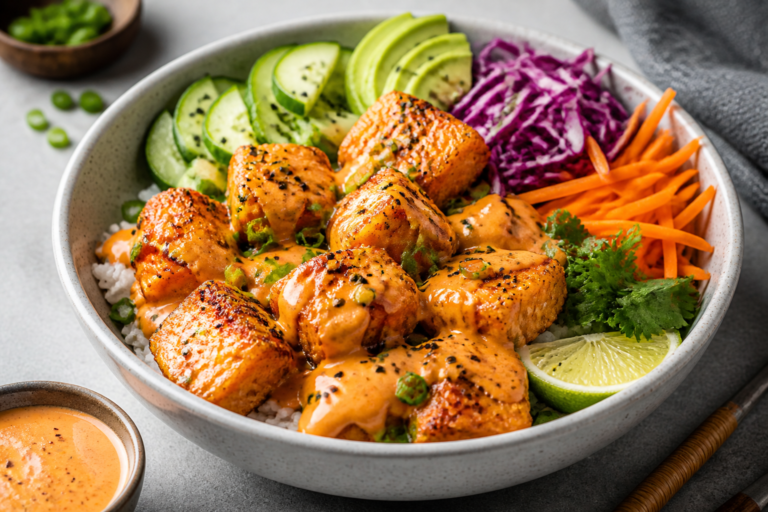
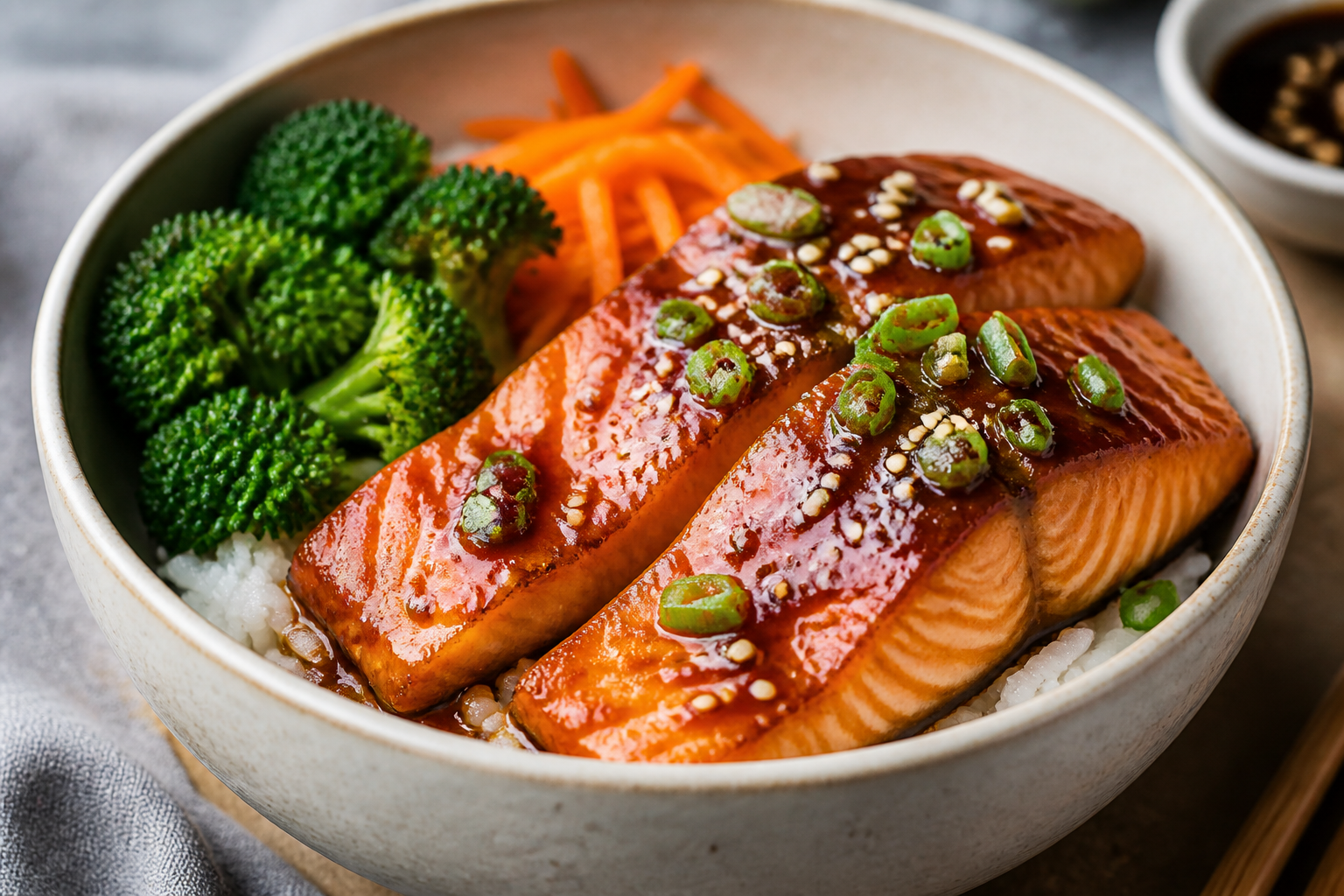
Teriyaki salmon rice bowls check all the boxes: they’re quick, satisfying, and seriously tasty. You get tender salmon with a glossy, sweet-savory glaze, fluffy rice, and crisp vegetables for crunch and color. It’s the kind of meal that feels restaurant-worthy but takes less time than waiting for takeout.
FREE 7-Day Easy Dinner Reset
Get 7 healthy, family-friendly dinners complete with recipes and simple meal plans delivered straight to your inbox.
Best of all, you can tweak it to match your cravings or what’s in your fridge. Let’s make a bowl you’ll actually look forward to eating.
Ingredients
Method
- Cook the rice. Start your rice according to package directions so it’s hot when the salmon is ready. Keep it covered and warm.
- Make the teriyaki base. In a small bowl, whisk soy sauce, brown sugar (or honey), rice vinegar, mirin, garlic, ginger, and sesame oil until the sugar dissolves.
- Marinate the salmon briefly. Place salmon in a shallow dish or zip-top bag. Pour in half of the teriyaki mixture. Marinate 10–15 minutes at room temperature. Reserve the other half for the sauce.
- Prep vegetables and toppings. While the salmon marinates, slice cucumbers, shred carrots, steam edamame or broccoli, and chop green onions. Set aside.
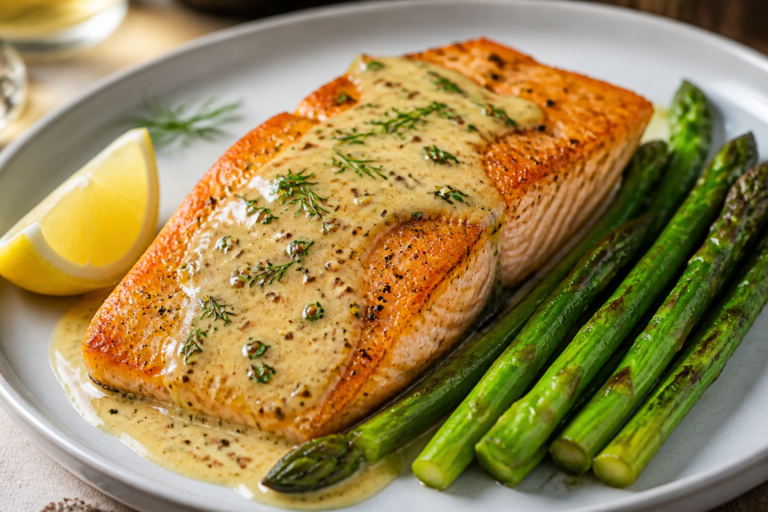
- Cook the salmon (pan-sear or roast). Pan-sear: Heat oil in a large skillet over medium-high. Pat salmon dry, then place skin-side down. Cook 3–4 minutes, flip, and cook another 2–3 minutes, spooning in a little marinade toward the end. Salmon should flake easily and be slightly translucent in the center.
- Roast: Heat oven to 425°F (220°C). Place salmon on a lined sheet, brush with a little marinade, and roast 8–10 minutes depending on thickness.
- Thicken the teriyaki sauce. In a small saucepan, whisk cornstarch with water to make a slurry. Add the reserved teriyaki mixture and bring to a simmer over medium heat, stirring until glossy and slightly thick, 1–2 minutes. Adjust with a splash of water if too thick.
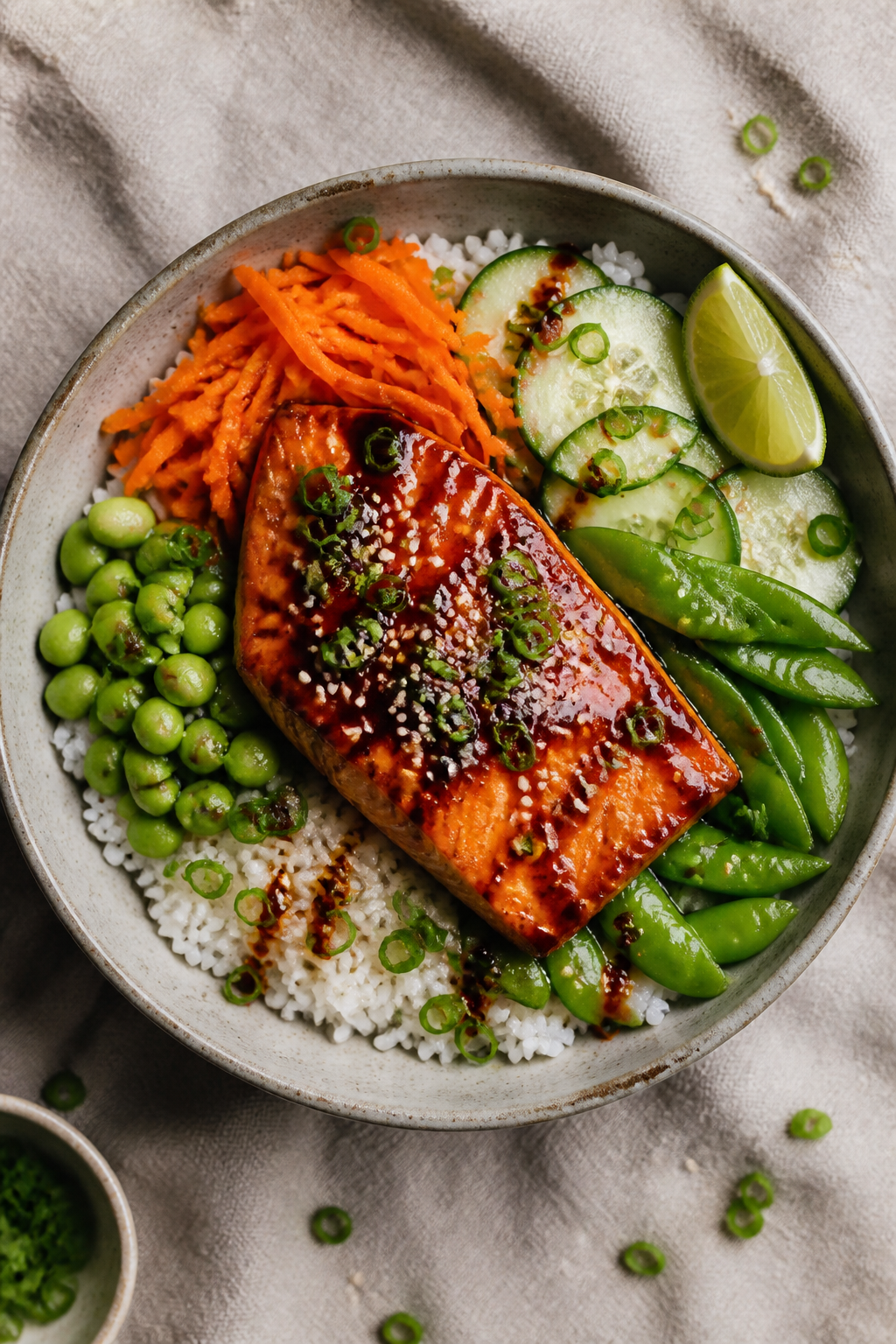
- Assemble the bowls. Spoon warm rice into bowls. Add vegetables around the edges for color and texture. Place salmon on top, then drizzle generously with the thickened teriyaki sauce.
- Finish with toppings. Sprinkle sesame seeds and green onions. Add chili crisp or sriracha for heat, and a squeeze of lime if you like brightness.
- Serve. Enjoy immediately while the salmon is warm and the rice is fluffy.
What Makes This Special
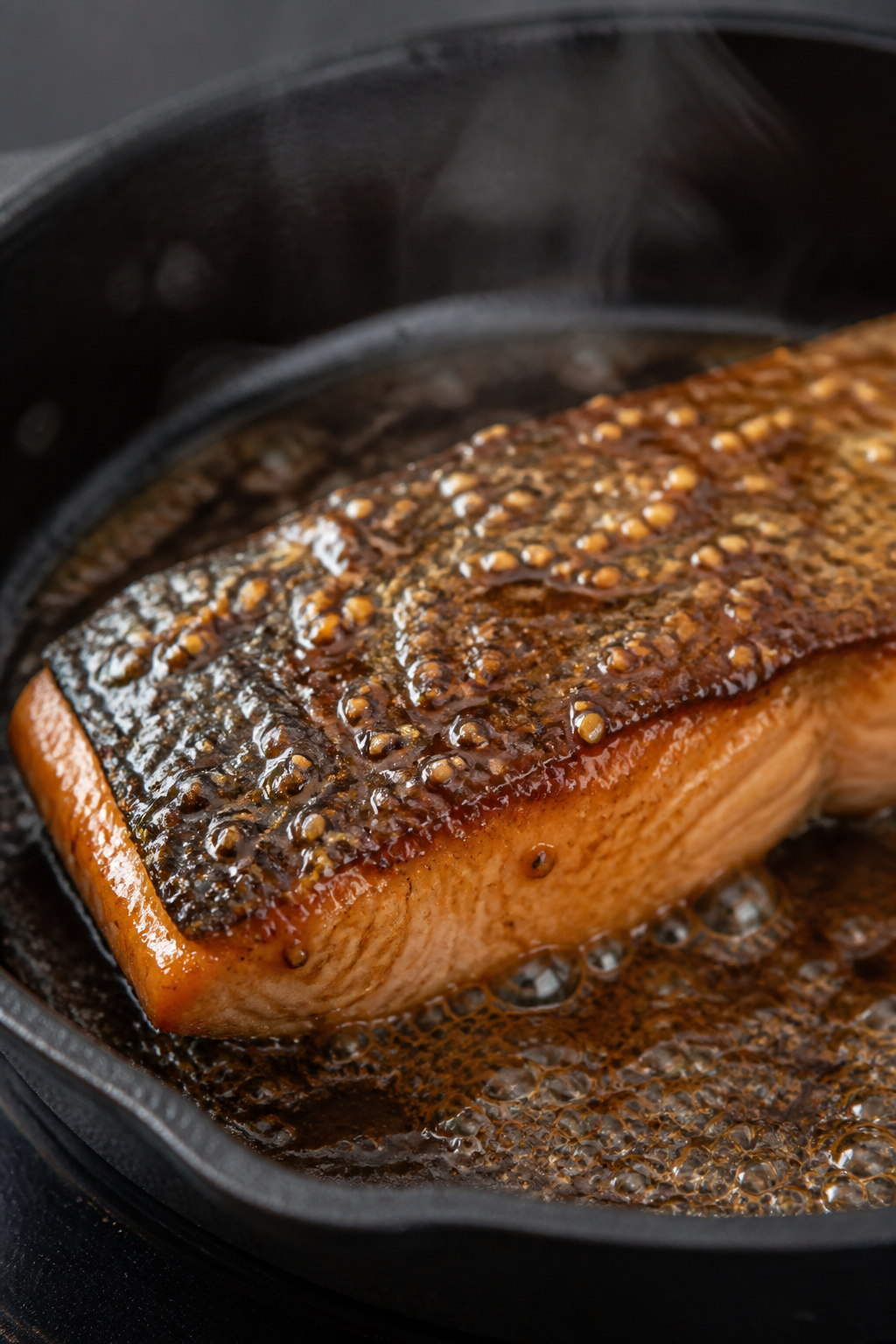
These bowls are all about balance—sweet, salty, and tangy in every bite. The salmon gets a short marinade that doubles as the sauce, so you’re not juggling extra steps.
Roasting or pan-searing the fish keeps it juicy and speeds up dinner. Add crunchy vegetables, a soft bed of rice, and a drizzle of extra teriyaki on top, and you’re set. It’s simple, but it tastes like you planned ahead.
What You’ll Need
- Salmon: 1 to 1.25 pounds skin-on fillets, cut into 4 portions
- Rice: 2 cups cooked (jasmine, basmati, or short-grain), warm
- Vegetables: 2 cups total, such as cucumber, shredded carrots, edamame, snap peas, or steamed broccoli
- Green onions: 2, thinly sliced
- Sesame seeds: 1 tablespoon, toasted if possible
- Neutral oil: 1 tablespoon (avocado, canola, or grapeseed)
Teriyaki Marinade/Sauce:
- Soy sauce or tamari: 1/3 cup
- Brown sugar or honey: 3 tablespoons
- Rice vinegar: 1 tablespoon
- Mirin (optional but great): 1 tablespoon
- Garlic: 2 cloves, minced
- Ginger: 1 tablespoon, finely grated
- Sesame oil: 1 teaspoon
- Cornstarch: 1 teaspoon (for thickening)
- Water: 2–3 tablespoons (to dissolve cornstarch and adjust thickness)
Optional Toppings:
- Sriracha or chili crisp for heat
- Lime wedges for brightness
- Nori strips or furikake for umami
- Avocado slices for creaminess
Instructions
- Cook the rice. Start your rice according to package directions so it’s hot when the salmon is ready.
Keep it covered and warm.
- Make the teriyaki base. In a small bowl, whisk soy sauce, brown sugar (or honey), rice vinegar, mirin, garlic, ginger, and sesame oil until the sugar dissolves.
- Marinate the salmon briefly. Place salmon in a shallow dish or zip-top bag. Pour in half of the teriyaki mixture. Marinate 10–15 minutes at room temperature.
Reserve the other half for the sauce.
- Prep vegetables and toppings. While the salmon marinates, slice cucumbers, shred carrots, steam edamame or broccoli, and chop green onions. Set aside.
- Cook the salmon (pan-sear or roast).
- Pan-sear: Heat oil in a large skillet over medium-high. Pat salmon dry, then place skin-side down.
Cook 3–4 minutes, flip, and cook another 2–3 minutes, spooning in a little marinade toward the end. Salmon should flake easily and be slightly translucent in the center.
- Roast: Heat oven to 425°F (220°C). Place salmon on a lined sheet, brush with a little marinade, and roast 8–10 minutes depending on thickness.
- Pan-sear: Heat oil in a large skillet over medium-high. Pat salmon dry, then place skin-side down.
- Thicken the teriyaki sauce. In a small saucepan, whisk cornstarch with water to make a slurry.
Add the reserved teriyaki mixture and bring to a simmer over medium heat, stirring until glossy and slightly thick, 1–2 minutes. Adjust with a splash of water if too thick.
- Assemble the bowls. Spoon warm rice into bowls. Add vegetables around the edges for color and texture.
Place salmon on top, then drizzle generously with the thickened teriyaki sauce.
- Finish with toppings. Sprinkle sesame seeds and green onions. Add chili crisp or sriracha for heat, and a squeeze of lime if you like brightness.
- Serve. Enjoy immediately while the salmon is warm and the rice is fluffy.
Keeping It Fresh
For meal prep, store components separately. Keep salmon and rice in airtight containers for up to 3 days, and pack raw veggies and toppings in a separate container to maintain crunch. Reheat rice with a splash of water to bring back moisture.
Warm the salmon gently in the microwave or a low oven so it doesn’t dry out. Add sauce and fresh toppings right before eating.
Health Benefits
- High-quality protein: Salmon gives you complete protein for muscle repair and steady energy.
- Omega-3 fats: These support heart, brain, and joint health, and help reduce inflammation.
- Balanced meal: You get carbs from rice, protein and healthy fats from salmon, and fiber plus micronutrients from veggies.
- Lower-sodium options: Using low-sodium soy sauce and balancing with vinegar keeps flavor high without overdoing the salt.
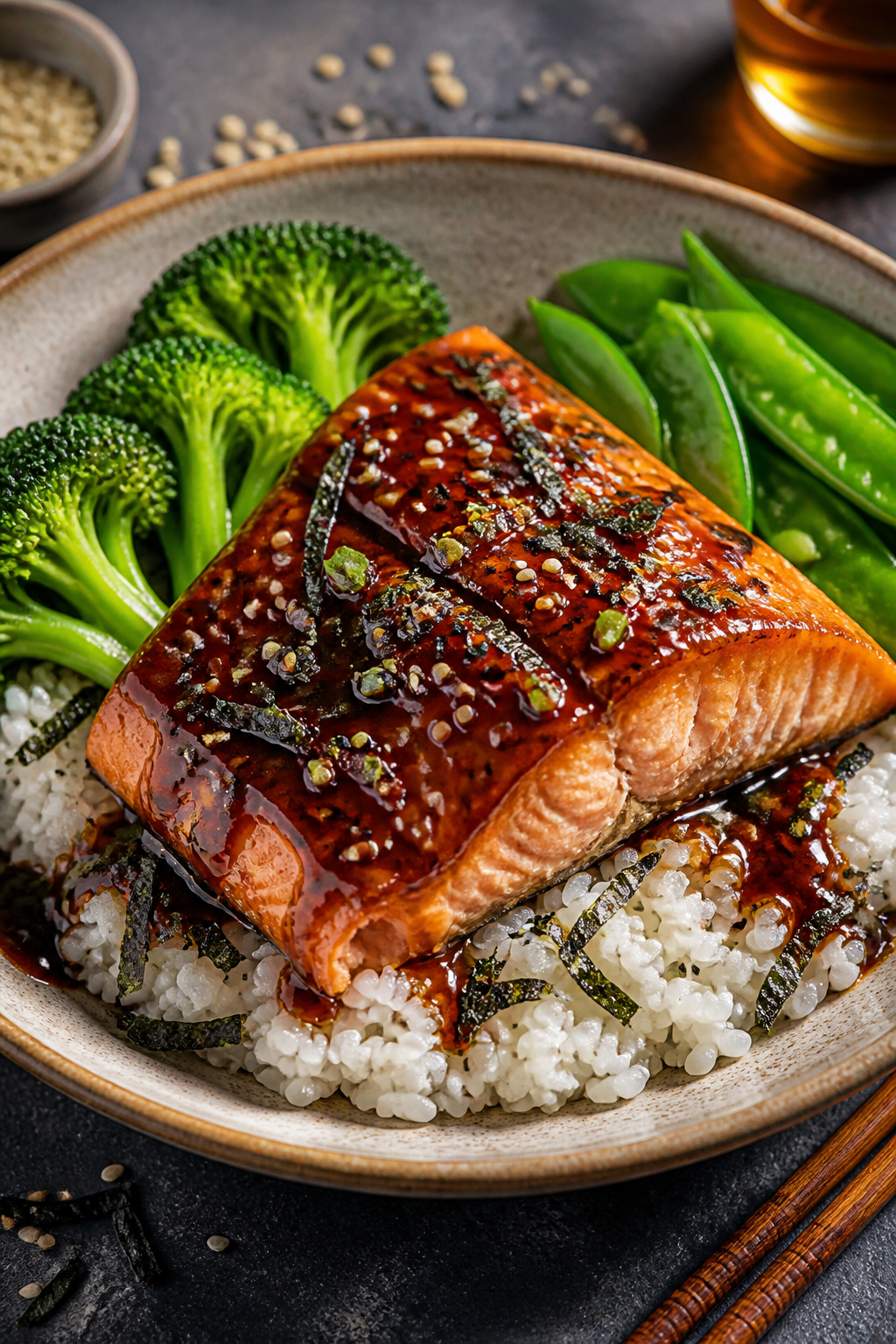
- Customizable veggies: Add greens like broccoli or snap peas for vitamin C, K, and folate.
Pitfalls to Watch Out For
- Overcooking the salmon: It turns dry quickly. Pull it when it flakes easily but is still slightly glossy inside.
- Too-salty sauce: If your sauce tastes harsh, add a bit more honey and a splash of water, or use low-sodium soy sauce.
- Watery teriyaki: If it doesn’t thicken, simmer another minute or add a tiny bit more cornstarch slurry.
- Mushy rice: Rinse rice before cooking and follow the water ratio.
Let it rest 5–10 minutes before fluffing.
- Soggy vegetables: Keep raw veggies raw and add just before serving. If using broccoli, steam until crisp-tender.
Variations You Can Try
- Spicy teriyaki: Stir sriracha or gochujang into the sauce for heat.
- Citrus twist: Add orange zest and a splash of orange juice to the teriyaki for brightness.
- Ginger-scallion boost: Mix finely sliced green onions and extra ginger into the sauce right at the end.
- Grain swap: Use brown rice, quinoa, or cauliflower rice to fit your goals.
- Protein change-up: Try tofu, shrimp, or chicken with the same marinade and sauce.
- Veggie-forward: Load up with shredded cabbage, radishes, bell peppers, or pickled onions for crunch and color.
FAQ
Never Wonder What's For Dinner Again
Get 7 healthy, family-friendly dinners complete with recipes, grocery lists, and simple meal plans delivered straight to your inbox.
Can I use frozen salmon?
Yes. Thaw it overnight in the fridge or under cold running water in sealed packaging.
Pat very dry before marinating to help the sauce cling and to get better browning.
Do I need mirin for the sauce?
No, but it adds a nice sweetness and depth. If you don’t have it, increase the honey or brown sugar slightly and add a touch more rice vinegar to keep the balance.
How do I know when the salmon is done?
It should flake easily with a fork and be just opaque in the center. If you use a thermometer, aim for about 125–130°F (52–54°C) for moist, medium doneness.
Can I make the sauce ahead?
Absolutely.
Make it up to 5 days in advance and store it in the fridge. Rewarm gently and thin with a splash of water if it thickens too much.
What rice works best?
Jasmine or short-grain white rice gives a great texture and stick. Brown rice adds nuttiness and extra fiber but takes longer to cook.
Is there a gluten-free option?
Use tamari or a certified gluten-free soy sauce, and check labels on mirin.
Everything else in the recipe is naturally gluten-free.
Can I air-fry the salmon?
Yes. Air-fry at 390°F (200°C) for 7–9 minutes depending on thickness. Brush with marinade before cooking and glaze with the thickened sauce after.
How can I reduce sugar?
Cut the sweetener to 1–2 tablespoons and rely on mirin for subtle sweetness.
You can also add more ginger and a squeeze of lime to brighten without extra sugar.
What if I don’t have cornstarch?
Simmer the sauce a bit longer to reduce, or use arrowroot starch (same method) for a similar glossy finish.
How do I keep the salmon skin crispy?
Pat the skin dry and cook skin-side down first in a hot, lightly oiled pan. Serve the salmon on top of the rice so steam doesn’t soften the skin.
Wrapping Up
Teriyaki salmon rice bowls are the kind of meal that earns a permanent spot in your weeknight rotation. They’re fast, flexible, and full of flavor, with just the right mix of tender fish, sticky sauce, and fresh crunch.
Keep the pantry staples on hand, swap in your favorite veggies, and you’ll have a reliable, delicious dinner in minutes. When you want something easy that doesn’t feel basic, this bowl delivers every time.
Printable Recipe Card
Want just the essential recipe details without scrolling through the article? Get our printable recipe card with just the ingredients and instructions.
Loved This Recipe?
If you're looking for more simple, healthy dinners your family will actually eat, grab my FREE 7-Day Easy Dinner Reset. You'll get 7 easy dinner recipes, simple grocery lists, and a done-for-you plan that takes the stress out of mealtime.