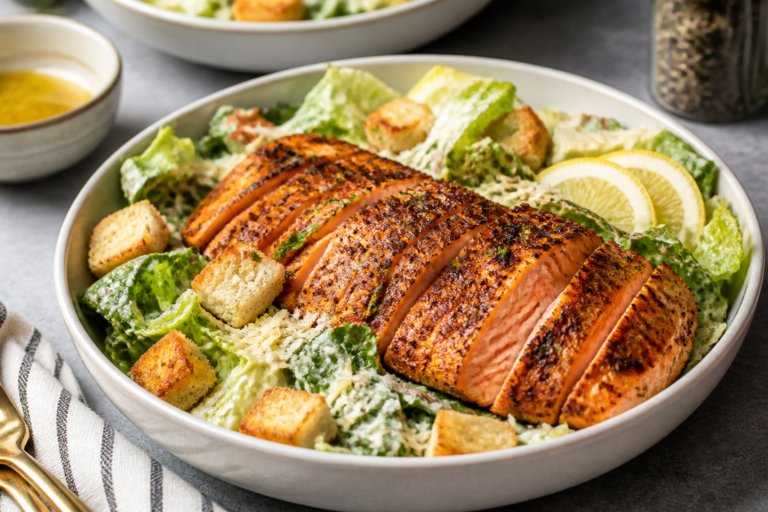
Healthy Cajun Salmon Alfredo – Creamy, Spicy, and Light
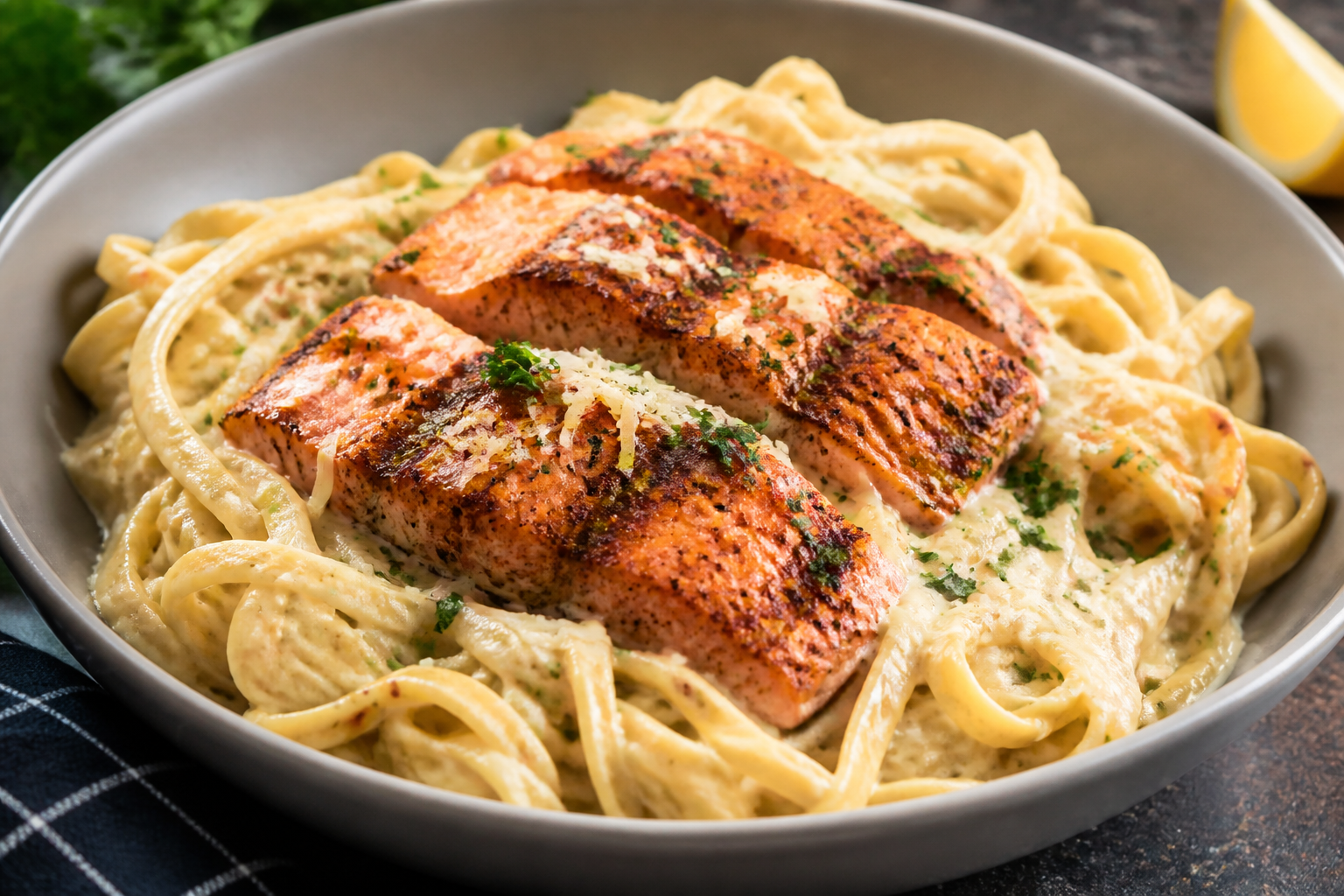
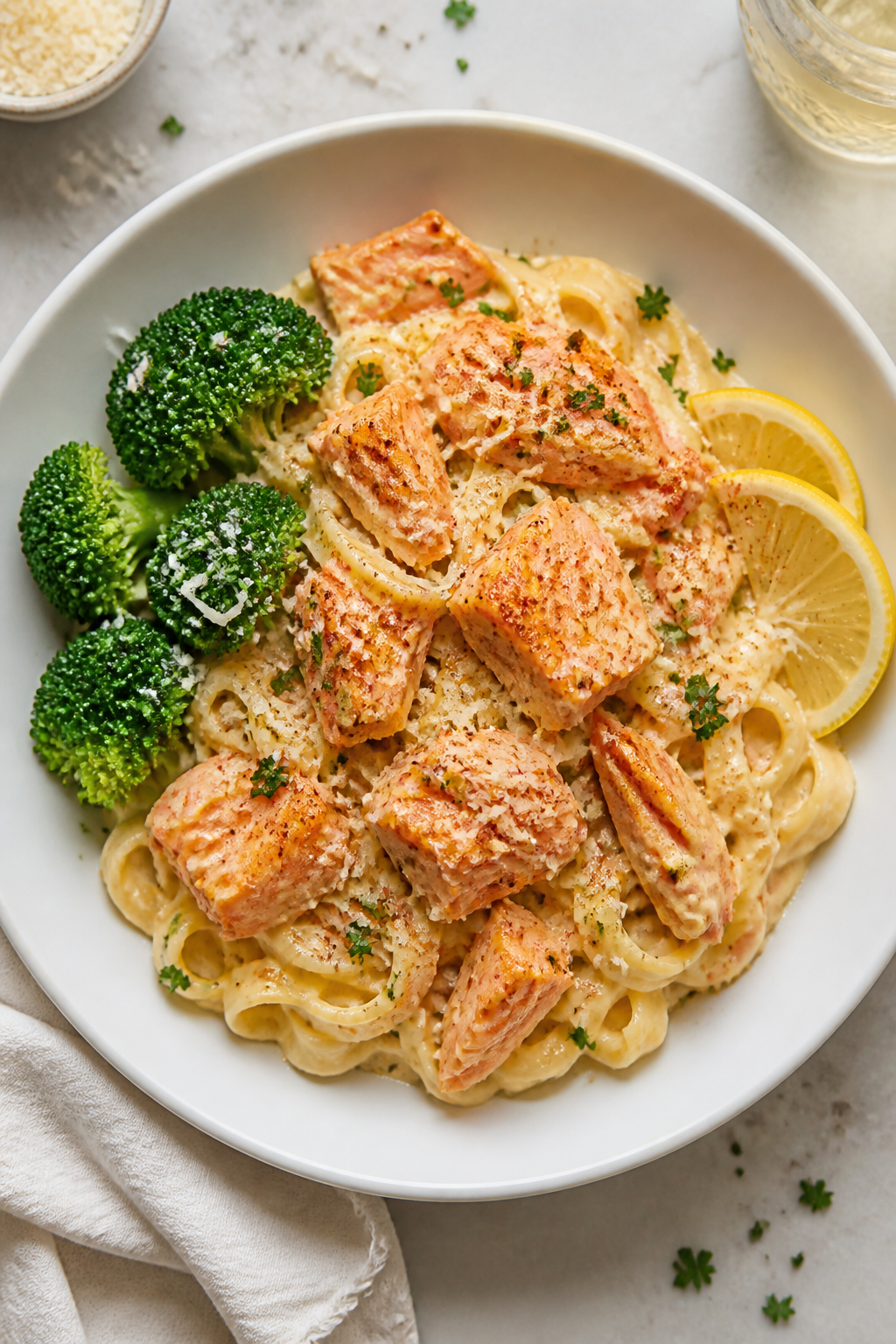
Creamy pasta and bold Cajun spice make a great team, and this version keeps things light without losing flavor. You’ll get tender, flaky salmon, a velvety Alfredo-style sauce, and just enough heat to keep every bite interesting. The secret is a few smart swaps that cut heavy cream without sacrificing richness.
FREE 7-Day Easy Dinner Reset
Get 7 healthy, family-friendly dinners complete with recipes and simple meal plans delivered straight to your inbox.
It’s a weeknight-friendly meal that still feels special. If you’re craving comfort with a fresh twist, this one delivers.
Ingredients
Method
- Prep the salmon. Pat the salmon dry with paper towels. Sprinkle both sides with 1 tablespoon Cajun seasoning and a pinch of salt and pepper. Let it sit while you prep the other ingredients so the spices hydrate.
- Cook the pasta. Bring a large pot of salted water to a boil. Cook pasta until just shy of al dente. Reserve 1 cup of pasta water, then drain. Toss pasta with a splash of olive oil to prevent sticking.
- Sear the salmon. Heat 1 tablespoon olive oil in a large nonstick skillet over medium-high. Place salmon skin-side down and cook 4–5 minutes until the skin is crisp. Flip and cook 2–4 minutes more, depending on thickness, until just opaque in the center. Transfer to a plate and tent with foil.
- Build flavor in the pan. Lower heat to medium. Add 1 tablespoon butter to the same skillet. Stir in the minced garlic and cook 30 seconds until fragrant. Sprinkle a small pinch of Cajun seasoning if you like extra flavor.
- Make the lighter Alfredo base. Pour in the broth and milk. Bring to a gentle simmer, whisking to pick up browned bits. Let it reduce for 3–4 minutes until slightly thickened and steamy, not boiling hard.
- Finish the sauce off-heat. Turn the heat to low. Whisk in the Greek yogurt until smooth. Add grated Parmesan and stir until melted and creamy. If the sauce seems too thick, add splashes of the reserved pasta water. Season with salt, pepper, and a squeeze of lemon juice. Taste and adjust.
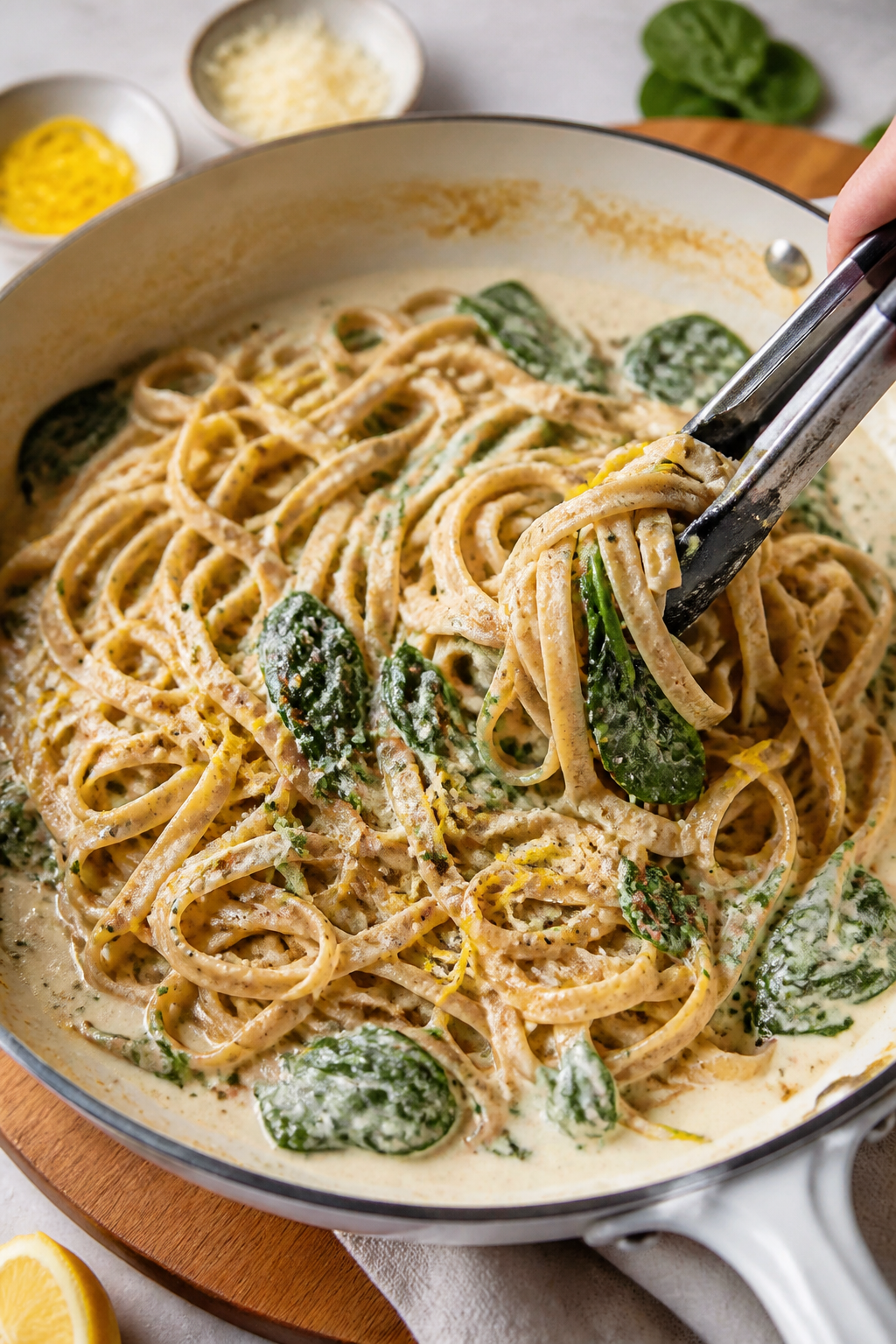
- Add veggies (optional but recommended). Stir in baby spinach until just wilted, or fold in warm steamed broccoli florets. The greens balance the richness and add color.
- Toss with pasta. Add the drained pasta to the skillet and toss until well coated. If needed, loosen with more pasta water to reach a silky consistency that clings to the noodles.
- Flake in the salmon. Gently flake the salmon into bite-size pieces, discarding the skin if you prefer. Fold into the pasta so you keep big, tender chunks. Finish with lemon zest, parsley, and red pepper flakes if you like heat.
- Serve. Plate immediately while hot and creamy. Top with a final sprinkle of Parmesan and a light dusting of Cajun seasoning for color.
Why This Recipe Works
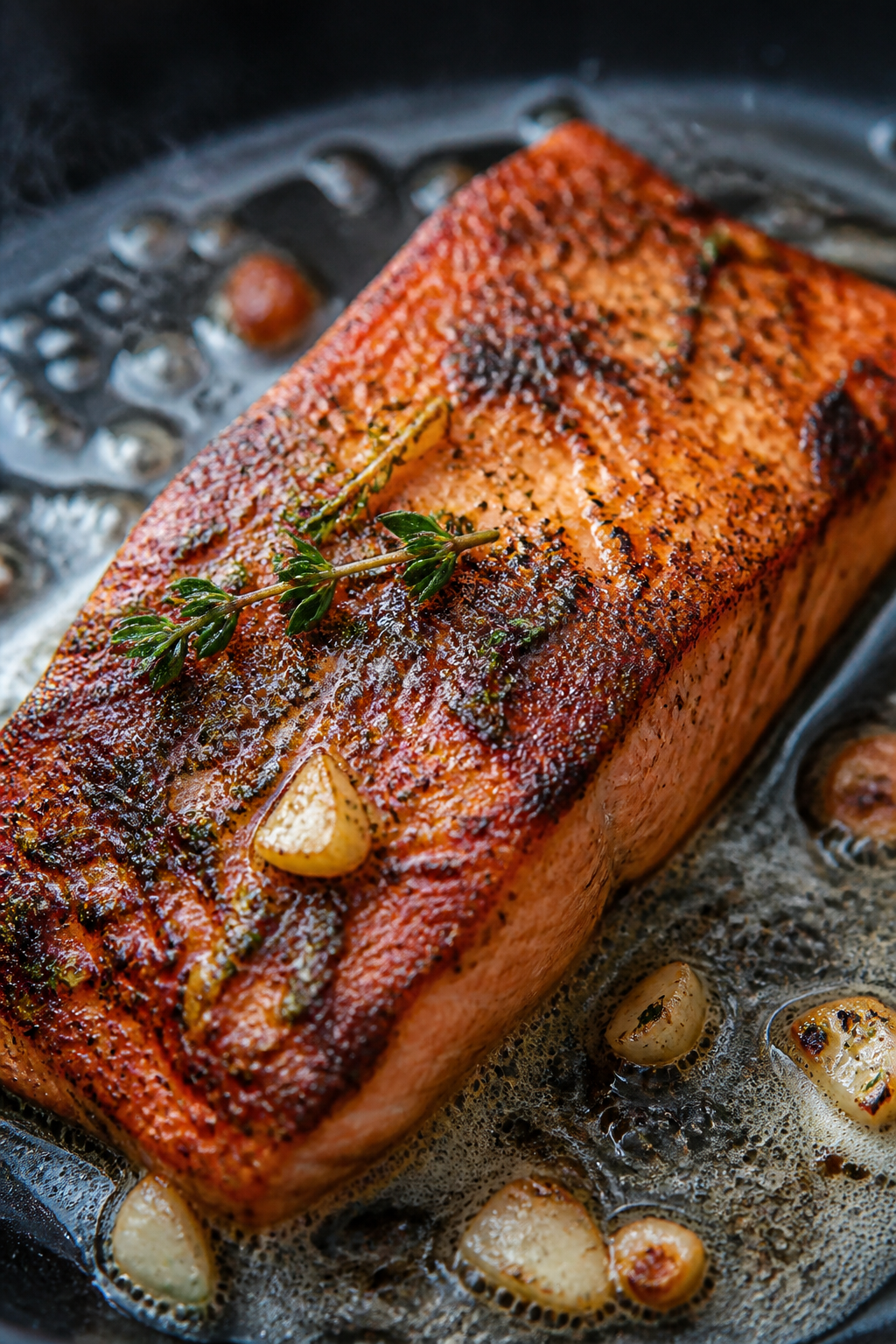
This Alfredo gets its body from a mix of low-fat milk, Greek yogurt, and a small amount of Parmesan, so you keep the creamy texture with fewer calories. Cajun seasoning brings punchy flavor, which means you can use less butter and cheese and still feel satisfied.
Salmon adds high-quality protein and omega-3 fats that make the dish more filling and heart-friendly. A squeeze of lemon and fresh parsley brighten everything and balance the richness.
Shopping List
- Salmon: 1 to 1.25 pounds skin-on salmon fillets
- Pasta: 10–12 ounces whole-wheat fettuccine or linguine (or your favorite)
- Cajun seasoning: 1–1.5 tablespoons (look for low-sodium)
- Olive oil: 1–2 tablespoons
- Butter: 1 tablespoon
- Garlic: 3–4 cloves, minced
- Low-sodium chicken or vegetable broth: 1 cup
- Low-fat milk (2% or 1%): 1 cup
- Plain Greek yogurt (2% preferred for creaminess): 1/2 cup
- Parmesan cheese: 1/2 cup, finely grated
- Lemon: 1 (zest and juice)
- Baby spinach or steamed broccoli: 2 cups (optional veg boost)
- Fresh parsley: Small handful, chopped
- Salt and black pepper to taste
- Red pepper flakes (optional for extra heat)
How to Make It
- Prep the salmon. Pat the salmon dry with paper towels. Sprinkle both sides with 1 tablespoon Cajun seasoning and a pinch of salt and pepper.
Let it sit while you prep the other ingredients so the spices hydrate.
- Cook the pasta. Bring a large pot of salted water to a boil. Cook pasta until just shy of al dente. Reserve 1 cup of pasta water, then drain.
Toss pasta with a splash of olive oil to prevent sticking.
- Sear the salmon. Heat 1 tablespoon olive oil in a large nonstick skillet over medium-high. Place salmon skin-side down and cook 4–5 minutes until the skin is crisp. Flip and cook 2–4 minutes more, depending on thickness, until just opaque in the center.
Transfer to a plate and tent with foil.
- Build flavor in the pan. Lower heat to medium. Add 1 tablespoon butter to the same skillet. Stir in the minced garlic and cook 30 seconds until fragrant.
Sprinkle a small pinch of Cajun seasoning if you like extra flavor.
- Make the lighter Alfredo base. Pour in the broth and milk. Bring to a gentle simmer, whisking to pick up browned bits. Let it reduce for 3–4 minutes until slightly thickened and steamy, not boiling hard.
- Finish the sauce off-heat. Turn the heat to low.
Whisk in the Greek yogurt until smooth. Add grated Parmesan and stir until melted and creamy. If the sauce seems too thick, add splashes of the reserved pasta water.
Season with salt, pepper, and a squeeze of lemon juice. Taste and adjust.
- Add veggies (optional but recommended). Stir in baby spinach until just wilted, or fold in warm steamed broccoli florets. The greens balance the richness and add color.
- Toss with pasta. Add the drained pasta to the skillet and toss until well coated.
If needed, loosen with more pasta water to reach a silky consistency that clings to the noodles.
- Flake in the salmon. Gently flake the salmon into bite-size pieces, discarding the skin if you prefer. Fold into the pasta so you keep big, tender chunks. Finish with lemon zest, parsley, and red pepper flakes if you like heat.
- Serve. Plate immediately while hot and creamy.
Top with a final sprinkle of Parmesan and a light dusting of Cajun seasoning for color.
How to Store
Cool leftovers, then store in an airtight container for up to 2 days. Reheat gently on the stove over low heat with a splash of milk or water until creamy again. The microwave works in short bursts at 50% power, stirring between intervals.
For best texture, avoid freezing; dairy sauces can separate and salmon can turn dry when thawed.
Benefits of This Recipe
- Lighter than classic Alfredo: Uses milk, yogurt, and a modest amount of Parmesan instead of heavy cream.
- High in protein and omega-3s: Salmon keeps you full and supports heart and brain health.
- Big flavor, less salt: Cajun spices add depth without relying on excess sodium or fat.
- Balanced plate in one bowl: Add spinach or broccoli for fiber, vitamins, and color.
- Weeknight-friendly: Cooks in about 30 minutes with minimal cleanup.
Pitfalls to Watch Out For
- Boiling the sauce after adding yogurt: High heat can make it split. Keep the heat low and add yogurt off the boil.
- Overcooking the salmon: It should flake easily but stay moist. Pull it off the heat when it’s just opaque in the center.
- Skipping pasta water: This starchy liquid is key for a silky, restaurant-style sauce.
- Too salty Cajun seasoning: Taste your blend before salting the dish.
Some mixes are very salty.
- Heavy hand with cheese: Delicious, but it can overwhelm the lighter sauce. Measure the Parmesan.
Variations You Can Try
Never Wonder What's For Dinner Again
Get 7 healthy, family-friendly dinners complete with recipes, grocery lists, and simple meal plans delivered straight to your inbox.
- Dairy-free: Use almond or oat milk, a dairy-free yogurt, and a vegan Parmesan-style cheese. Add a teaspoon of nutritional yeast for savory depth.
- Gluten-free: Swap in gluten-free fettuccine or brown rice pasta.
Thicken the sauce with a teaspoon of cornstarch mixed into cold milk if needed.
- Extra veggies: Add roasted cherry tomatoes, sautéed mushrooms, or peas. The sweetness balances the Cajun spice.
- Spice level: Increase Cajun seasoning or add cayenne/red pepper flakes. For mild, use a smoky paprika-forward blend and skip extra heat.
- Different proteins: Try shrimp, chicken breast, or tofu.
Adjust cook times—shrimp cooks fast, tofu benefits from a quick sear.
- Lemon-forward: Add more zest and finish with a squeeze of lemon for a brighter, lighter feel.
FAQ
Can I bake the salmon instead of searing it?
Yes. Season the salmon and bake at 400°F (205°C) for 10–12 minutes, depending on thickness, until it flakes easily. You’ll lose the crispy skin from searing, but it’s hands-off and still tasty.
What if my sauce turns grainy or splits?
It usually means the heat was too high when adding yogurt or cheese.
Remove the pan from heat and whisk in a splash of warm milk or pasta water until it smooths out. Keep the burner low while finishing the sauce.
How do I make it spicier without changing the flavor?
Add a pinch of cayenne or red pepper flakes at the end, or sprinkle extra Cajun seasoning right before serving. This keeps the base flavor intact while turning up the heat.
Can I use canned salmon?
You can, but texture will be different.
Drain it well, remove any skin and bones, and fold it in at the very end. Fresh or frozen-thawed fillets give better flavor and flakes.
Is there a way to make the sauce even higher in protein?
Yes. Use 2% Greek yogurt, and stir in 2–3 tablespoons of part-skim ricotta or an extra spoonful of Greek yogurt right before serving.
Don’t boil after adding to keep it smooth.
How can I keep the pasta from soaking up all the sauce?
Cook the pasta just shy of al dente, toss it into the sauce with reserved pasta water, and serve immediately. If holding, keep a little extra pasta water on hand to loosen right before plating.
What’s a good side dish?
A simple green salad with lemon vinaigrette, roasted asparagus, or garlicky green beans pairs well. Keep sides light and bright to balance the creamy pasta.
Final Thoughts
Healthy Cajun Salmon Alfredo proves you don’t need heavy cream to get a silky, satisfying sauce.
With smart swaps and big flavor from Cajun spices and lemon, you’ll have a cozy bowl that still feels fresh. It’s flexible, fast, and easy to adapt to your pantry. Keep this one in your weekly rotation for a reliable, feel-good dinner that tastes like a treat.
Printable Recipe Card
Want just the essential recipe details without scrolling through the article? Get our printable recipe card with just the ingredients and instructions.
Loved This Recipe?
If you're looking for more simple, healthy dinners your family will actually eat, grab my FREE 7-Day Easy Dinner Reset. You'll get 7 easy dinner recipes, simple grocery lists, and a done-for-you plan that takes the stress out of mealtime.