High Protein Low Carb Chocolate Chip Protein Cookies – Easy, Satisfying, and Guilt-Free
These cookies taste like a treat but fit right into a high-protein, low-carb routine. They’re chewy in the middle, a little crisp at the edges, and dotted with melty chocolate chips. You can make them in one bowl, and they’re ready in under 20 minutes.
FREE 7-Day Easy Dinner Reset
Get 7 healthy, family-friendly dinners complete with recipes and simple meal plans delivered straight to your inbox.
Perfect for a post-workout bite, a lunchbox upgrade, or a late-night sweet tooth without the sugar crash.
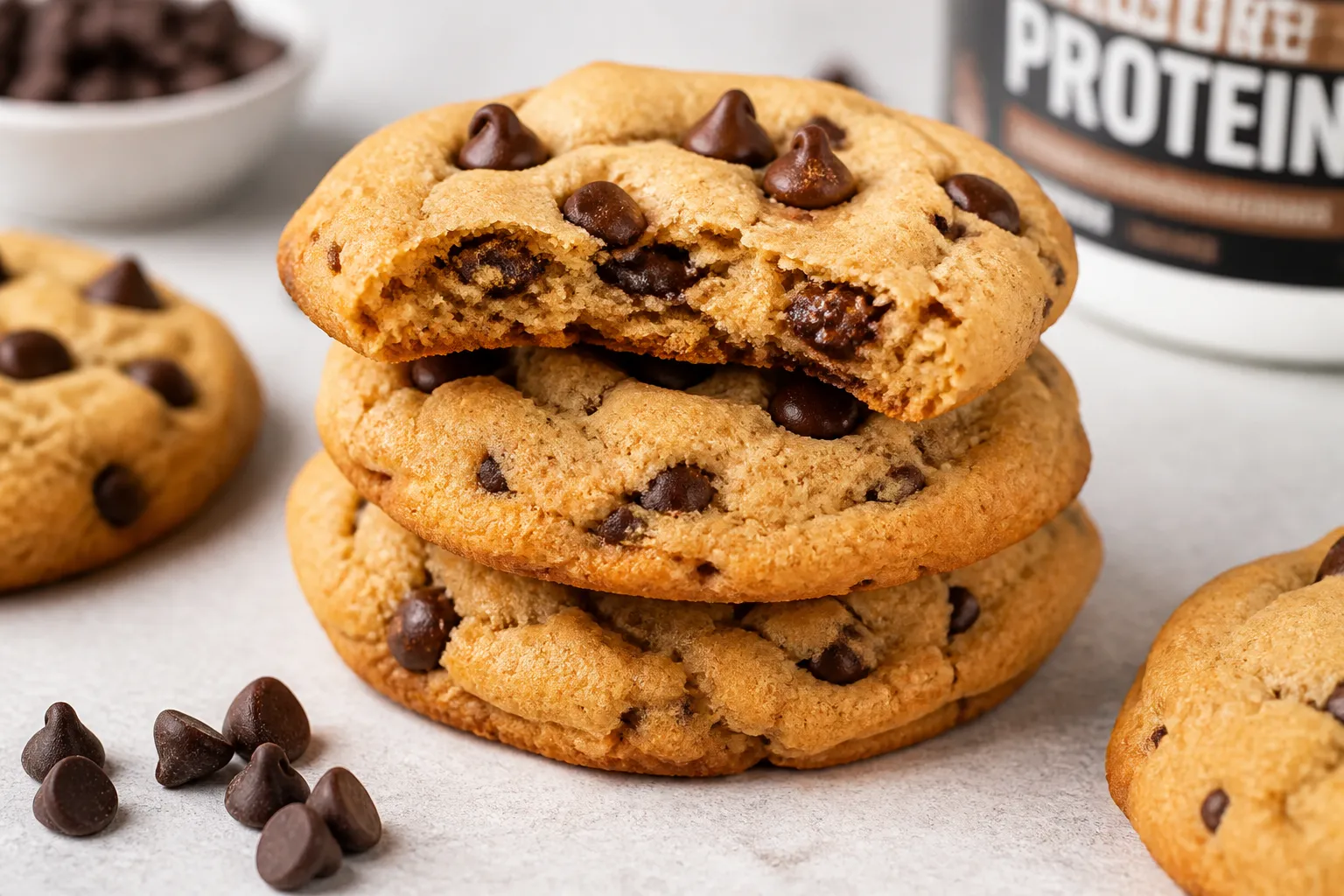
High Protein Low Carb Chocolate Chip Protein Cookies - Easy, Satisfying, and Guilt-Free
Ingredients
Method
- Preheat and prep: Set oven to 350°F (175°C). Line a baking sheet with parchment paper.
- Mix dry ingredients: In a bowl, whisk almond flour, protein powder, baking powder, salt, and sweetener until evenly combined. Break up any clumps.
- Combine wet ingredients: In a separate bowl, whisk melted butter, Greek yogurt, vanilla, and egg until smooth.
- Bring it together: Add wet ingredients to dry. Stir with a spatula until a soft, thick dough forms. If it looks dry or crumbly, add 1–2 teaspoons almond milk. If too wet, sprinkle in a little more almond flour.
- Fold in chocolate chips: Gently mix until the chips are evenly distributed.
- Shape the cookies: Scoop 10–12 mounds (about 2 tablespoons each) onto the sheet. Lightly flatten; these don’t spread much.
- Bake: 8–10 minutes, until edges are set and tops look just dry. Don’t overbake; they’ll firm up as they cool.
- Cool: Let cookies rest on the sheet for 10 minutes, then move to a rack. This helps them set and stay chewy.
What Makes This Special
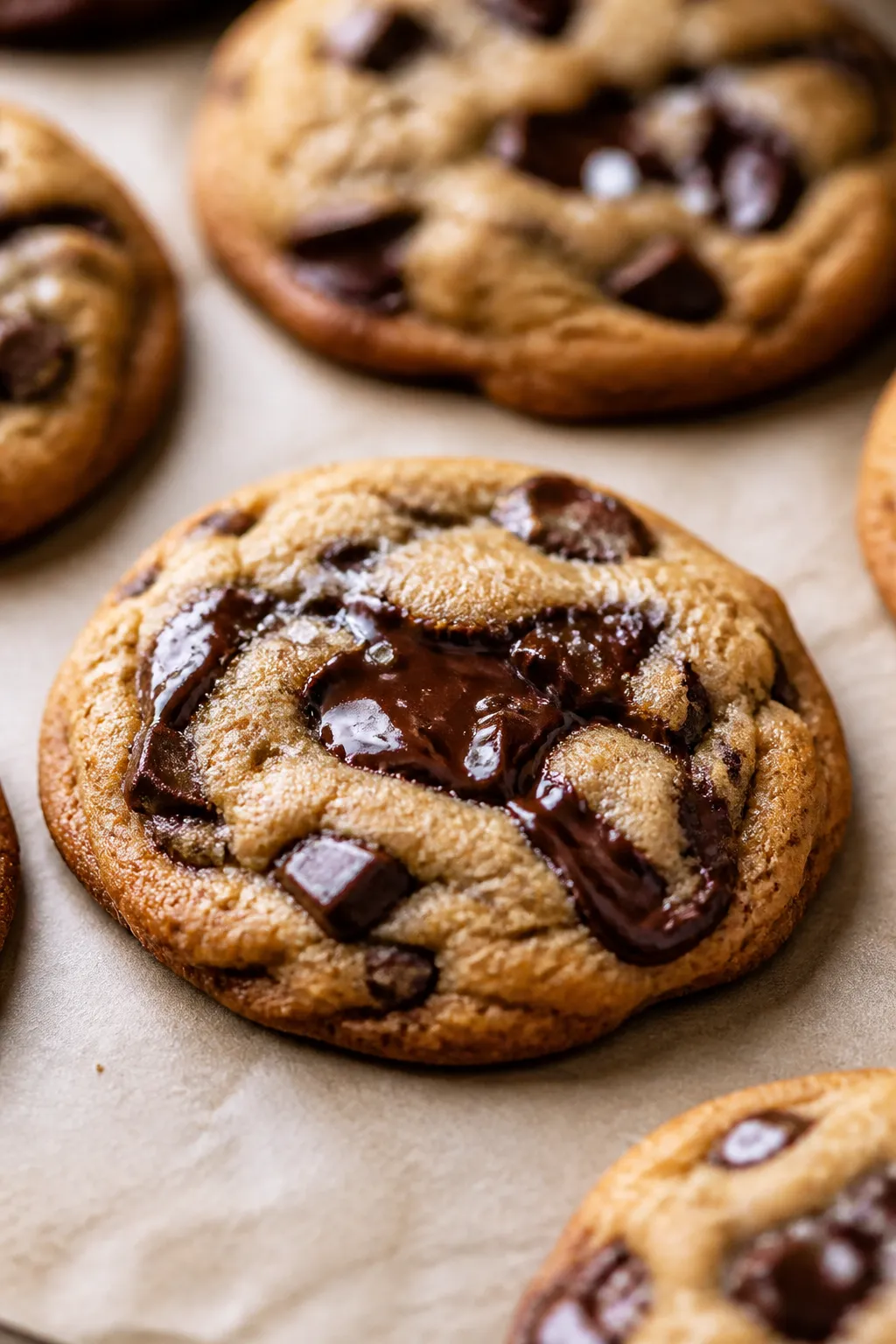
Most protein cookies are either dry or taste like chalk. Not these. They use a smart mix of almond flour and whey (or a plant-based protein) to keep the texture soft while boosting protein.
A touch of Greek yogurt adds moisture without extra carbs, and using a sugar substitute keeps things sweet without spiking blood sugar. The result is a cookie that feels like dessert but works like fuel.
What You’ll Need
- Almond flour: 1 cup, finely ground (not almond meal)
- Vanilla whey protein powder: 1/2 cup (or a plant-based blend; see Alternatives)
- Baking powder: 1 teaspoon
- Salt: 1/4 teaspoon
- Granulated erythritol or allulose: 1/3 cup (adjust to taste)
- Unsalted butter: 3 tablespoons, melted and slightly cooled (or coconut oil)
- Plain Greek yogurt (2% or 0%): 1/3 cup
- Vanilla extract: 1 teaspoon
- Egg: 1 large
- Sugar-free or 70% dark chocolate chips: 1/3–1/2 cup
- Optional add-ins: Pinch of cinnamon, 1 tablespoon peanut butter, or a splash of almond milk if needed
How to Make It
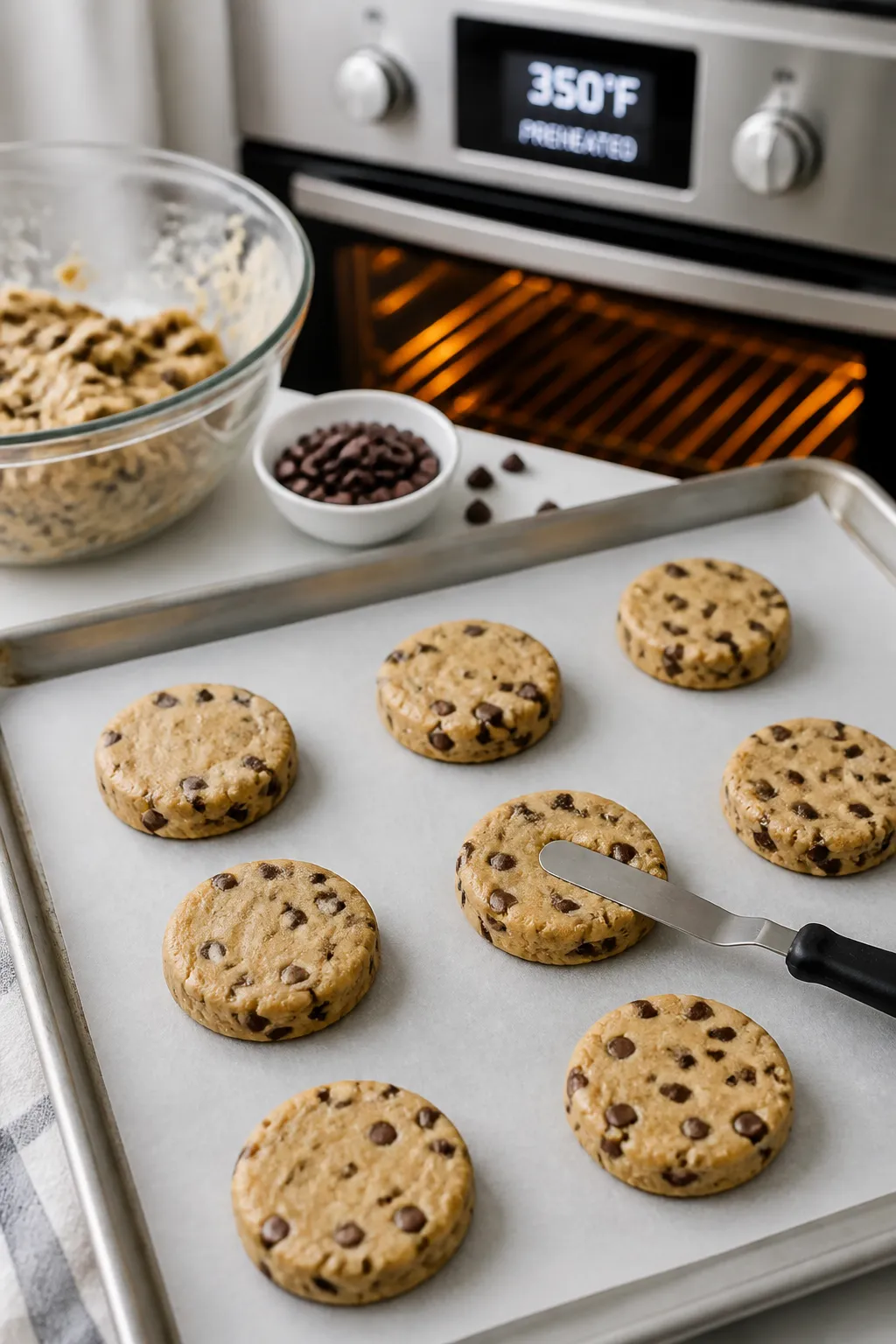
- Preheat and prep: Set oven to 350°F (175°C). Line a baking sheet with parchment paper.
- Mix dry ingredients: In a bowl, whisk almond flour, protein powder, baking powder, salt, and sweetener until evenly combined.
Break up any clumps.
- Combine wet ingredients: In a separate bowl, whisk melted butter, Greek yogurt, vanilla, and egg until smooth.
- Bring it together: Add wet ingredients to dry. Stir with a spatula until a soft, thick dough forms. If it looks dry or crumbly, add 1–2 teaspoons almond milk.
If too wet, sprinkle in a little more almond flour.
- Fold in chocolate chips: Gently mix until the chips are evenly distributed.
- Shape the cookies: Scoop 10–12 mounds (about 2 tablespoons each) onto the sheet. Lightly flatten; these don’t spread much.
- Bake: 8–10 minutes, until edges are set and tops look just dry. Don’t overbake; they’ll firm up as they cool.
- Cool: Let cookies rest on the sheet for 10 minutes, then move to a rack.
This helps them set and stay chewy.
Keeping It Fresh
Store in an airtight container at room temperature for 2–3 days. For longer storage, refrigerate up to 1 week to keep the texture moist and the chocolate chips snappy. These also freeze well: place in a single layer to freeze, then transfer to a bag and keep for up to 2 months.
Thaw at room temperature or microwave for 10–15 seconds for a warm, soft bite.
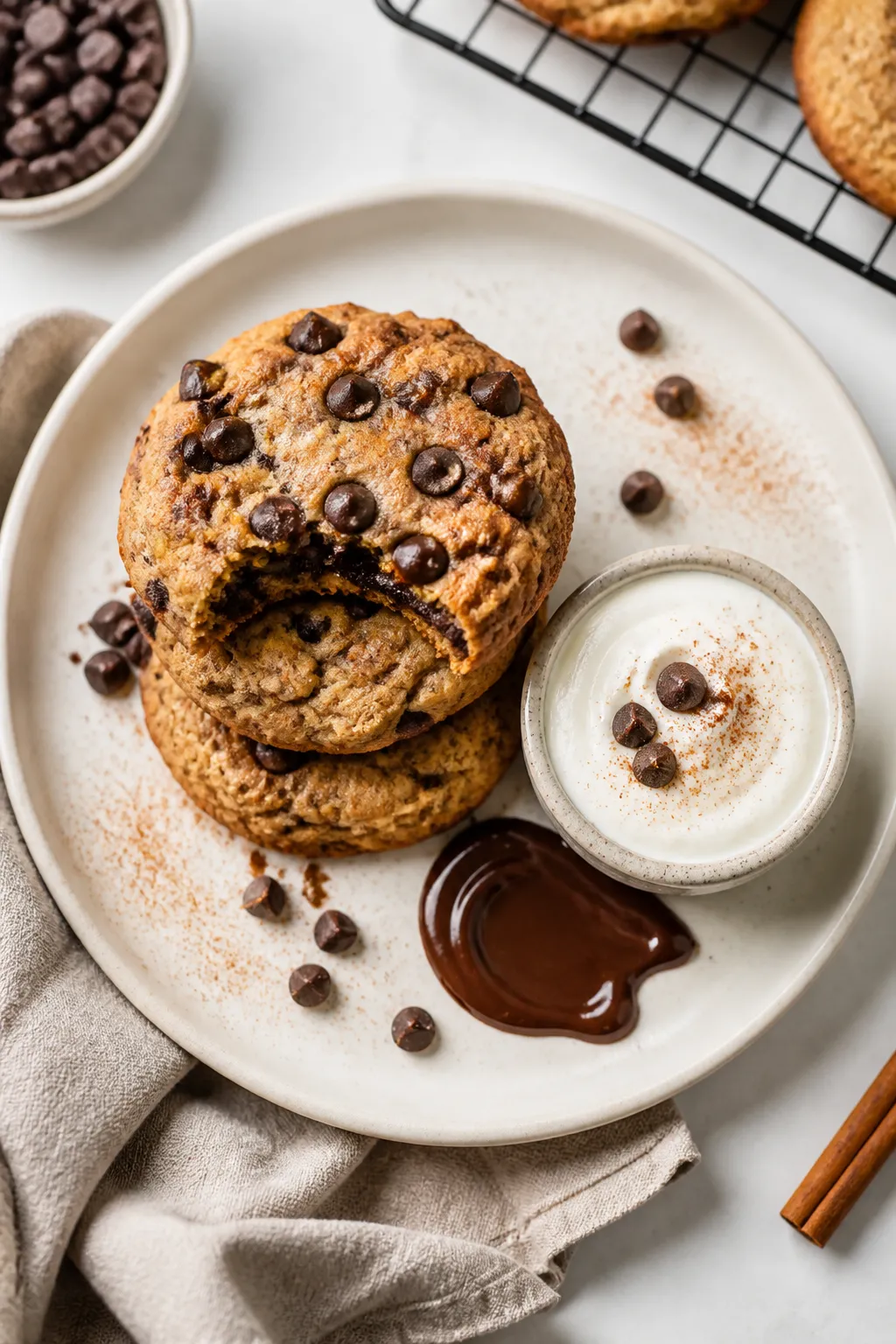
Why This is Good for You
- High protein: Protein helps with fullness, muscle repair, and steady energy. Each cookie can pack around 7–10 grams, depending on your protein powder and chip choice.
- Lower carb: Almond flour and a zero/low-calorie sweetener keep net carbs lower than traditional cookies.
- Better fats: Almond flour brings monounsaturated fats and a bit of fiber for a more satisfying treat.
- Smart sweetness: Using erythritol or allulose provides sweetness without a big blood sugar spike.
Common Mistakes to Avoid
- Overbaking: Protein cookies can turn dry fast. Pull them when edges set and centers look slightly soft.
- Using the wrong protein powder: Some isolates bake up tough.
A whey concentrate or a whey/casein blend tends to keep things softer. For plant-based, choose a pea or pea-brown rice blend.
- Skipping the fat: Butter or coconut oil adds moisture and flavor. Without it, the texture can be rubbery.
- Not adjusting moisture: Protein powders vary in absorbency.
If dough is crumbly, add a teaspoon of milk or yogurt at a time. If sticky, add a tablespoon of almond flour.
- Using almond meal: It’s coarser and can make the cookies gritty. Use finely ground almond flour for the best crumb.
Alternatives
- Protein powder swap:
- Whey: Soft and chewy results; start with 1/2 cup.
- Casein or blend: Extra chew and moisture; great for baking.
- Plant-based: Use 1/3–1/2 cup and add 1–2 teaspoons almond milk if dry.
Never Wonder What's For Dinner Again
Get 7 healthy, family-friendly dinners complete with recipes, grocery lists, and simple meal plans delivered straight to your inbox.
- Sweetener options: Allulose gives the softest texture, erythritol is crisper and cooler on the tongue.
Monk fruit blends work too. Adjust to taste.
- Dairy-free: Use coconut oil instead of butter and a thick coconut yogurt in place of Greek yogurt. Check your chocolate chips are dairy-free.
- Flavor twists: Add 1 tablespoon peanut butter for a nutty note, a pinch of espresso powder to deepen chocolate flavor, or chopped walnuts for crunch.
- Chocolate choices: Sugar-free chips keep carbs lowest.
For a richer flavor, use 70–85% dark chocolate chunks and chop them small for even distribution.
FAQ
How much protein is in each cookie?
It varies by brand, but with whey protein, almond flour, and sugar-free chips, expect roughly 7–10 grams per cookie if you make a dozen. Check your labels for exact numbers.
Can I use coconut flour instead of almond flour?
Not as a 1:1 swap. Coconut flour is far more absorbent and will make the dough dry and crumbly.
If you must, use no more than 1/4 cup coconut flour and increase the yogurt or add an extra egg to balance moisture.
Why are my cookies dry or rubbery?
They were likely overbaked, or the protein powder absorbed more moisture. Next time, pull them earlier and add 1–2 teaspoons of milk or a touch more yogurt to the dough. Using a whey/casein blend also helps keep them soft.
Do I need to chill the dough?
Usually not.
The dough is thick and holds shape. If your kitchen is warm or you added nut butter, a 10–15 minute chill can help with shaping.
Can I make them gluten-free and keto-friendly?
They’re already gluten-free if your protein powder and chips are certified GF. For keto, stick to almond flour, a keto sweetener like allulose or erythritol, and sugar-free chocolate chips.
How do I prevent the sweetener from crystallizing?
Allulose is the best choice for a soft, non-grainy texture.
If using erythritol, avoid overbaking and consider adding 1 teaspoon of glycerin or a tablespoon of brown-style erythritol blend to reduce crystallization.
Can I meal prep these?
Yes. Bake a batch, cool fully, and freeze in a single layer. Reheat a cookie in the microwave for 10–15 seconds or enjoy straight from the fridge for a firmer bite.
Wrapping Up
These High Protein Low Carb Chocolate Chip Protein Cookies deliver on taste, texture, and nutrition.
They’re simple to make, easy to customize, and fit neatly into a balanced routine. Keep a batch on hand for quick snacks, post-workout fuel, or a treat you can feel good about eating. Once you get the hang of the moisture balance, this will be your go-to cookie with benefits.
Printable Recipe Card
Want just the essential recipe details without scrolling through the article? Get our printable recipe card with just the ingredients and instructions.
Loved This Recipe?
If you're looking for more simple, healthy dinners your family will actually eat, grab my FREE 7-Day Easy Dinner Reset. You'll get 7 easy dinner recipes, simple grocery lists, and a done-for-you plan that takes the stress out of mealtime.