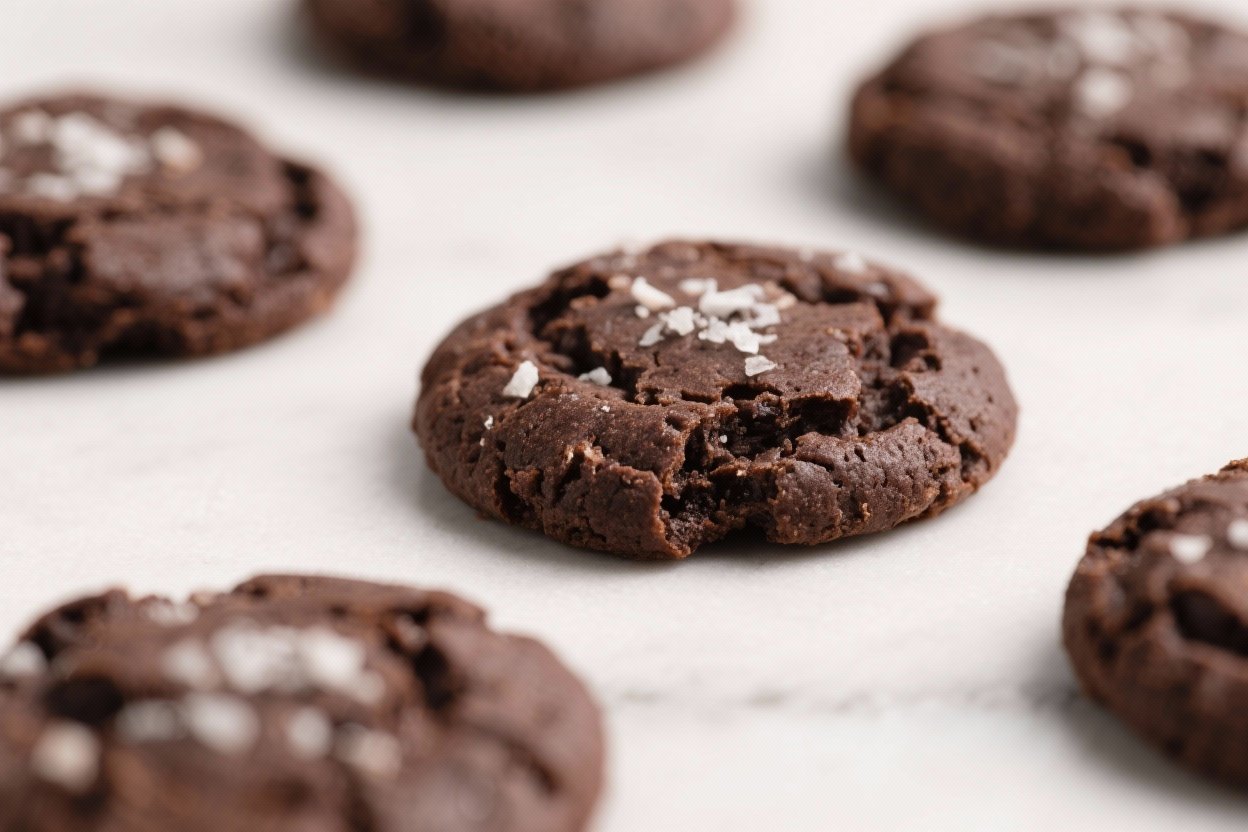
Salted Dark Chocolate Protein Cookies: The Snack That Flexes Harder Than Your Gym Selfie
Forget boring protein bars and chalky shakes. These cookies slap. You get the crackly top, molten dark chocolate pools, and that smart sprinkle of flaky salt that makes your brain say “one more” while your macros say “approved.” Bake a batch on Sunday, and you’ll feel like a meal-prep wizard who also knows a thing or two about pleasure.
FREE 7-Day Easy Dinner Reset
Get 7 healthy, family-friendly dinners complete with recipes and simple meal plans delivered straight to your inbox.
This is dessert that actually pulls its weight—literally.
What Makes This Special
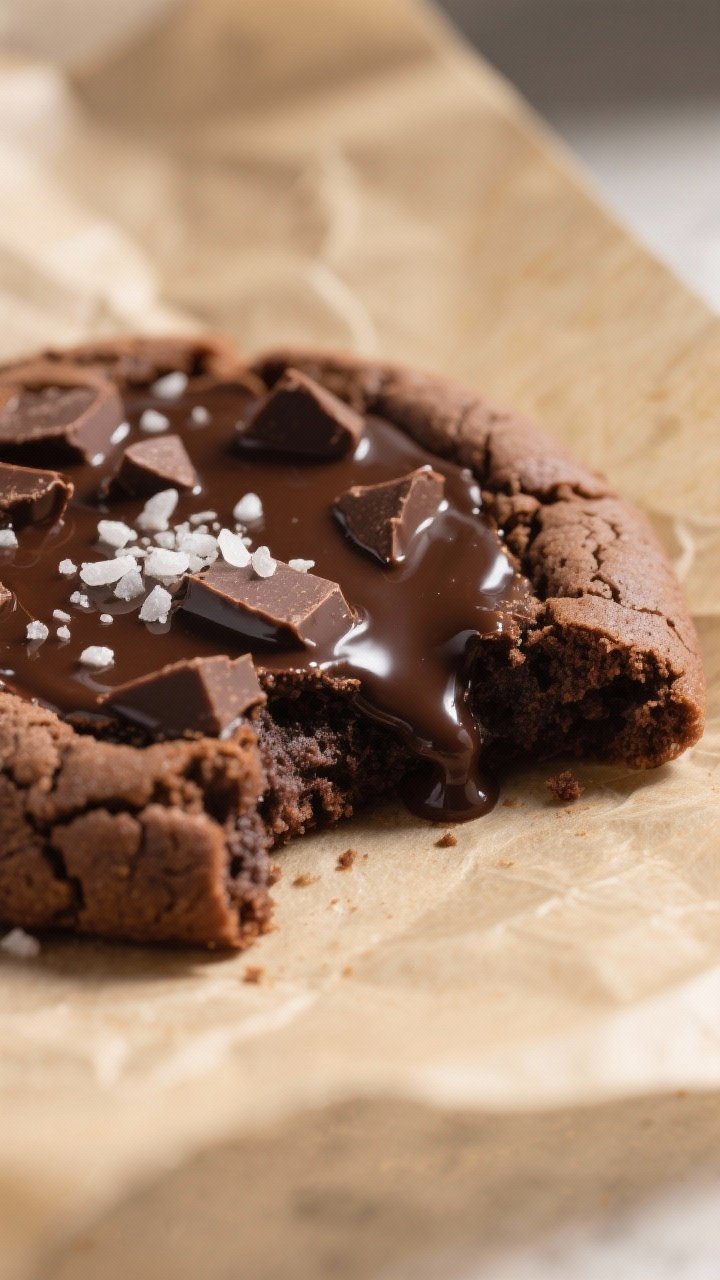
These cookies are engineered for cravings and performance. They deliver the chewy edge, soft center, and rich chocolate payoff while sneaking in quality protein and fiber. The secret is balance: a blend of whey or plant protein with almond flour and a touch of oat flour for structure, plus just enough coconut sugar to keep things legit without a sugar crash.
We’re not trying to make a “healthy-tasting” cookie.
We’re making a great cookie that just happens to fuel your day better than a nap does. The flaky sea salt isn’t garnish—it’s strategy. Salt wakes up dark chocolate, cuts sweetness, and keeps each bite interesting.
Ingredients Breakdown
- Almond flour (1 cup, finely ground) – Adds tenderness, healthy fats, and a mild nutty flavor that plays nice with cocoa.
- Oat flour (1/3 cup) – Light structure and a soft chew.
You can blitz rolled oats in a blender for a DIY version.
- Unsweetened cocoa powder (1/4 cup) – The chocolate backbone. Use Dutch-process for smoother, darker flavor.
- Chocolate or unflavored whey isolate or plant protein (1/2 cup) – The protein power. Choose a brand you like; some sweetened proteins will reduce the sugar needed.
- Coconut sugar (1/3 cup) – Caramel notes with lower glycemic punch than white sugar.
Not magic, just better.
- Maple syrup or honey (2 tbsp) – Moisture and shine. Helps with that brownie-like center.
- Unsalted butter or coconut oil, melted (1/4 cup) – Fat equals flavor and chew. Butter for classic taste, coconut oil for dairy-free.
- Greek yogurt or dairy-free yogurt (1/4 cup) – Adds protein and keeps the crumb moist without more fat.
- Egg (1 large) + 1 egg yolk – Structure and richness.
The extra yolk means more fudge factor.
- Vanilla extract (2 tsp) – Warmth and depth. Don’t skip.
- Baking soda (1/2 tsp) – Gentle lift to keep them from turning into hockey pucks.
- Fine sea salt (1/2 tsp) + flaky sea salt for topping – Flavor amplifier. The flaky finish = chef’s kiss.
- Dark chocolate (70–85%), chopped or chips (3/4 cup) – Pools of melty goodness.
Chop a bar for irregular chunks—it melts better.
- Optional: espresso powder (1/2 tsp) – Enhances chocolate like a microphone boosts a singer.
Instructions
- Preheat and prep: Set oven to 350°F (175°C). Line two baking sheets with parchment. This saves cleanup and ensures crisp edges.
- Whisk the dries: In a bowl, combine almond flour, oat flour, cocoa, protein powder, baking soda, fine sea salt, and espresso powder (if using).
Break up any clumps—protein likes to clump like a toddler with legos.
- Mix the wets: In a separate bowl, whisk melted butter/oil, coconut sugar, maple syrup/honey, yogurt, egg, yolk, and vanilla until glossy and smooth.
- Bring it together: Stir the dry ingredients into the wet using a spatula. The dough will be thick and slightly sticky—more brownie batter than typical cookie dough. That’s on purpose.
- Fold in chocolate: Add chopped dark chocolate and fold just until distributed.
Save a few chunks for the tops to maximize bakery vibes.
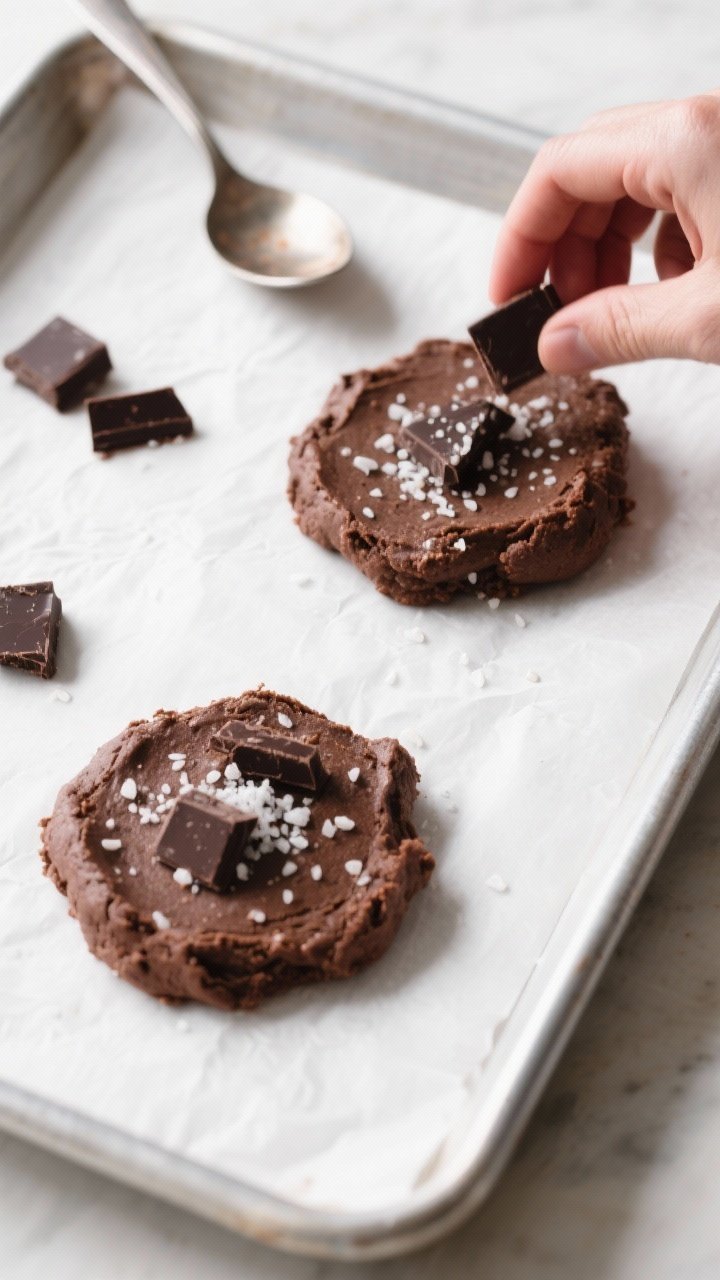
- Scoop and press: Using a 2-tablespoon scoop, portion 12–14 mounds onto the sheets, spacing 2 inches apart. Gently press each mound to about 1/2-inch thick—protein cookies don’t spread as much as classic ones.
- Salt like you mean it: Sprinkle a pinch of flaky sea salt on each cookie. It should sparkle a little.
- Bake: 8–10 minutes, rotating trays halfway.
Edges set, centers soft and slightly underbaked. If in doubt, pull early; carryover heat will finish the job.
- Cool: Let cookies rest on the sheet 5 minutes, then transfer to a rack. Warm, they’ll be fudgy; cooled, they firm up and stay chewy.
- Optional glow-up: While still warm, nudge a few extra chocolate chunks into the tops.
No one has ever complained about more chocolate.
How to Store
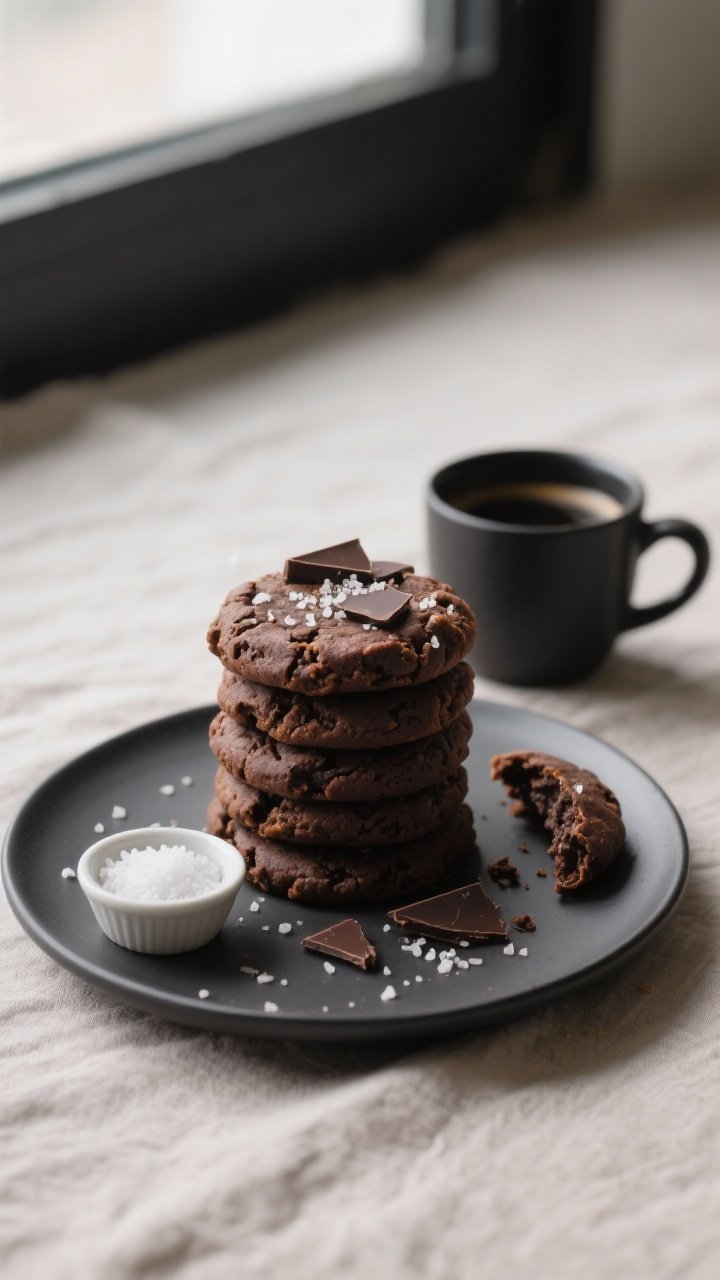
- Room temp: Airtight container for 2–3 days. Add a slice of bread to keep them soft (grandma trick, still undefeated).
- Fridge: Up to 1 week. Texture gets a little denser—great with coffee.
- Freeze: Up to 2 months.
Freeze baked cookies or freeze scooped dough balls; bake from frozen at 350°F adding 1–2 minutes.
Why This is Good for You
Protein for satiety and recovery: The mix of whey or plant protein and Greek yogurt helps muscle repair and keeps you full longer than a sugar-only cookie. Translation: fewer 4 p.m. vending machine regrets.
Smart carbs and fats: Almond and oat flours bring fiber and healthy fats, slowing digestion and smoothing blood sugar spikes. It’s dessert with manners.
Dark chocolate benefits: Flavanols in dark chocolate support cardiovascular health and mood, and they taste suspiciously like happiness.
Choose 70%+ for the best trade-off.
Pitfalls to Watch Out For
- Overbaking: Protein dries out fast. Pull when centers look slightly soft. Dry cookie = gym chalk.
- Wrong protein type: Casein or collagen alone can wreck texture.
Use whey isolate/concentrate or a pea/rice blend. If using a very absorbent plant protein, add 1–2 tbsp milk.
- Too little fat: Cutting fat further makes hockey pucks. Keep the 1/4 cup butter/oil; it’s doing heavy lifting.
- Sweetness mismatch: If your protein powder is sweetened, reduce coconut sugar by 1–2 tbsp.
Taste the dough, adjust, live your truth.
- Skipping salt: The flaky salt isn’t optional if you want flavor pop. It’s the plot twist.
Alternatives
- Dairy-free: Use coconut oil and a coconut or almond-based yogurt. Choose a plant protein blend.
- Gluten-free: As written, it’s GF if your oats are certified gluten-free.
- Lower sugar: Swap half the coconut sugar for a brown sugar-style erythritol/monk fruit blend.
Keep a little real sugar for texture.
- Nut-free: Replace almond flour with finely milled sunflower seed flour. Note: it can green-tint with baking soda (harmless, kinda cool).
- Mocha version: Add 1 tsp espresso powder and swap 1/4 cup of chocolate for cocoa nibs for crunch.
- Chili-dark: A pinch of cayenne and cinnamon turns this into a Mayan-style situation. Subtle heat, huge payoff.
FAQ
Can I make these without eggs?
Never Wonder What's For Dinner Again
Get 7 healthy, family-friendly dinners complete with recipes, grocery lists, and simple meal plans delivered straight to your inbox.
Yes.
Replace the egg and yolk with 1 flax egg (1 tbsp ground flax + 3 tbsp water, rested 5 minutes) plus 1 extra tablespoon yogurt for moisture. Texture will be slightly cakier but still excellent.
What if I only have collagen powder?
Collagen doesn’t behave like whey or plant proteins in baking. It can make cookies rubbery.
If it’s all you have, use just 2 tablespoons collagen and increase oat flour by 3 tablespoons to compensate.
Do I need to chill the dough?
Not required. The dough is thick and won’t spread much. If your kitchen is hot or the dough feels loose, a 20-minute chill can help maintain shape.
How much protein per cookie?
Depends on your protein brand.
With whey isolate (about 20–22g protein per 30g scoop), you’ll land around 8–10g protein per cookie if you make 12 cookies. IMO, that’s a pretty elite cookie.
Can I use cocoa nibs instead of chocolate?
Yes, but combine nibs with at least some chopped chocolate. Nibs bring crunch and bitterness but don’t melt into puddles.
A 50/50 mix works great.
Why are my cookies dry?
Likely overbaked or too much protein powder. Next batch, pull them earlier and add 1–2 tablespoons milk or almond milk to the dough. Also check that you measured flours with a light hand—not packed.
Can I reduce the fat?
You can shave off a tablespoon, but don’t go lower without adding moisture (extra yogurt or a splash of milk).
Fat makes the chew happen. You want the chew to happen.
My Take
These Salted Dark Chocolate Protein Cookies are the rare win-win: decadent enough to impress your dessert friends, functional enough to feel like a smart daily treat. They’re fast, flexible, and foolproof if you respect the moisture balance and the bake time.
Keep the flaky salt, underbake slightly, and use chocolate you’d eat plain. Your future self will thank you when the 3 p.m. slump shows up and you answer with a cookie that actually has your back—no lecture, just results, FYI.
Printable Recipe Card
Want just the essential recipe details without scrolling through the article? Get our printable recipe card with just the ingredients and instructions.
Loved This Recipe?
If you're looking for more simple, healthy dinners your family will actually eat, grab my FREE 7-Day Easy Dinner Reset. You'll get 7 easy dinner recipes, simple grocery lists, and a done-for-you plan that takes the stress out of mealtime.